
 Back
Back
The Agricultural Exemption in Texas allows landowners to significantly reduce their property taxes by appraising the land based on its agricultural use, rather than its market value. This special appraisal can lead to substantial savings, making it an essential tool for anyone owning or planning to purchase agricultural land in Texas.
However, understanding the eligibility criteria and maintaining the exemption is crucial to avoid penalties, such as rollback taxes, if the land is taken out of agricultural use.
TABLE OF CONTENTS
- How to Get Agricultural Tax Exemption in Texas?
- Who Qualifies for Agricultural and Timber Exemptions?
- How to Apply for Texas Agricultural and Timber Registration Number?
- What Activities Qualify for Agricultural and Timber Exemptions?
- What Activities Do Not Qualify for Agricultural Exemption in Texas?
- How Many Acres Do You Need for a Special Ag Valuation?
- Which Animals Qualify for Agricultural Valuation in Texas?
- Texas Agricultural Exemption
How to Get Agricultural Tax Exemption in Texas?
To qualify for an Agricultural Exemption in Texas, landowners must meet several criteria:
- The land must be primarily used for agricultural purposes, which include activities such as growing crops, raising livestock, poultry, or managing it for certain government programs or livestock rotation.
- Land used for wildlife management can also qualify, provided it was previously open-space land and is now used for breeding wild animals in at least three of seven approved ways.
- The land must have been used for farming or agricultural production for at least five out of the last seven years. If the property is within city limits, it must have been continuously used for agriculture for the previous five years, unless it didn’t receive the same level of city services as other properties.
- The agricultural use must meet the local intensity standards—meaning the level of agricultural production should match typical practices for similar land in the area.
If you change the land’s use from agriculture to non-agricultural, you could face a rollback tax. This is calculated based on the difference between the taxes paid under the agricultural appraisal and what would have been owed under the market value, for the past five years, plus 7% interest.
Who Qualifies for Agricultural and Timber Exemptions?
According to the
Texas Comptroller of Public Accounts, the following individuals qualify for an Agricultural or Timber Exemption:
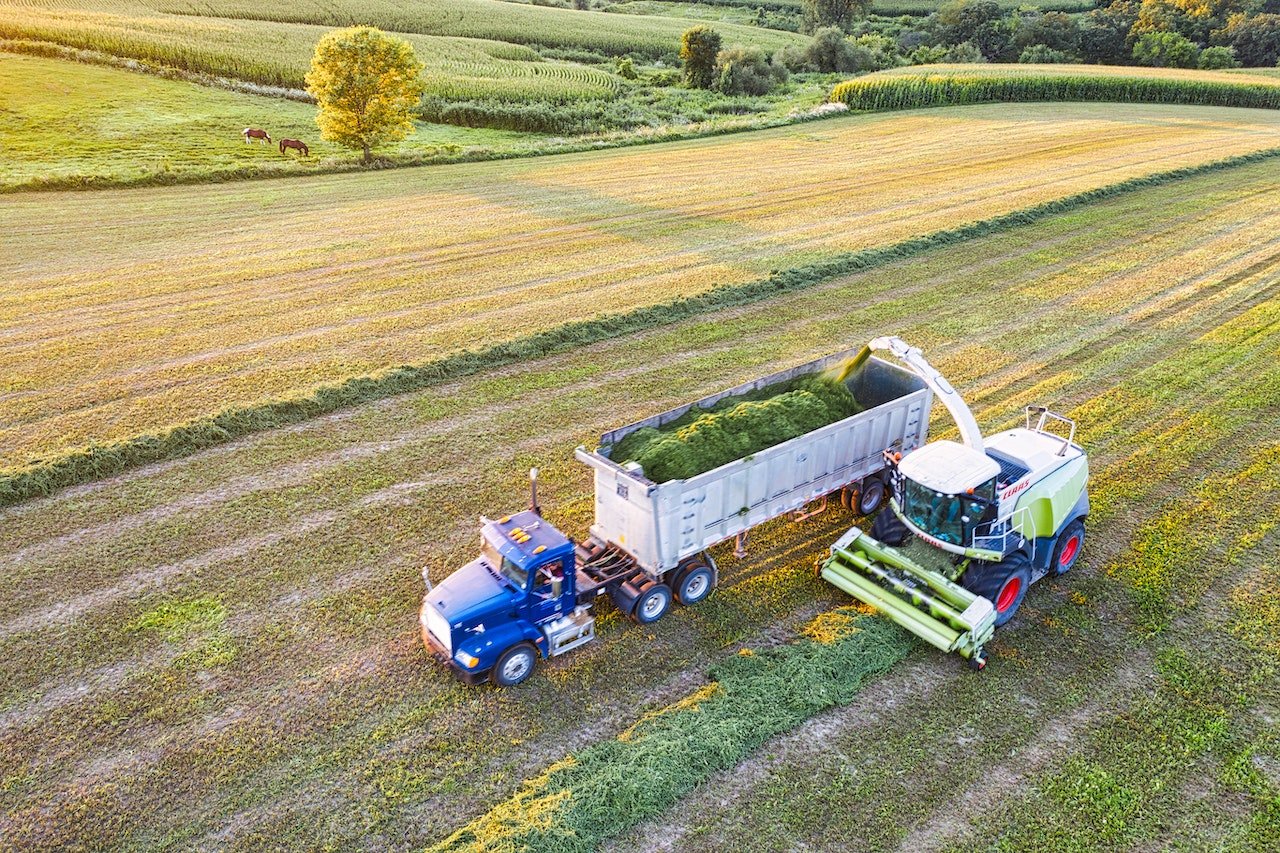
- Farmers, ranchers, or timber producers actively engaged in producing agricultural or timber products for sale.
- All applicants, including non-Texas residents, must have a valid Agricultural and Timber Registration Number issued by the Comptroller to claim the tax exemption on qualifying purchases.
How to Apply for Texas Agricultural and Timber Registration Number?
To claim tax exemption on eligible items, you must obtain an Agricultural and Timber Registration Number (Ag/Timber Number) from the Texas Comptroller. Here’s how to apply:
- Gather the Required Information: You’ll need your business name, address, Social Security number (or national ID number if applicable), and Secretary of State file number (if registered).
- Submit the Application: You can apply online through the Texas Comptroller website, or by mailing a paper application to the Comptroller’s office.
- Receive Your Ag/Timber Number: Once processed, this number allows you to claim the exemption on qualifying agricultural and timber-related purchases.
What Activities Qualify for Agricultural and Timer Exemptions?
Below are some examples of activities that qualify for the Agricultural and Timber Exemptions in Texas:- Farming or ranching for the purpose of raising agricultural products for sale
- Growing fiber crops such as cotton or hemp
- Timber production, including logging
- Feedlot operations
- Commercial fish farming
- Beekeeping
- Custom harvesting and crop dusting
- Growing plants for sale in a commercial nursery
- Veterinary services for farm or ranch calls
- Agricultural courses taught by organizations like FFA or 4-H
What Activities Do Not Qualify for Agricultural Exemption in Texas?
There are several activities that do not qualify for the Agricultural Exemption:- Home gardening
- Horse racing, boarding, or training
- Florists maintaining plants before sale
- Wildlife management or conservation
- Hunting or fishing operations
- Companion animal (pet) breeding or kennels
How Many Acres Do You Need for a Special Ag Valuation?
The minimum acreage required for an Agricultural Exemption varies by county, but in most cases, you’ll need at least 10 acres of qualifying land. Contact your local County Appraisal District for specific requirements in your area.
Which Animals Qualify for Agricultural Valuation in Texas?
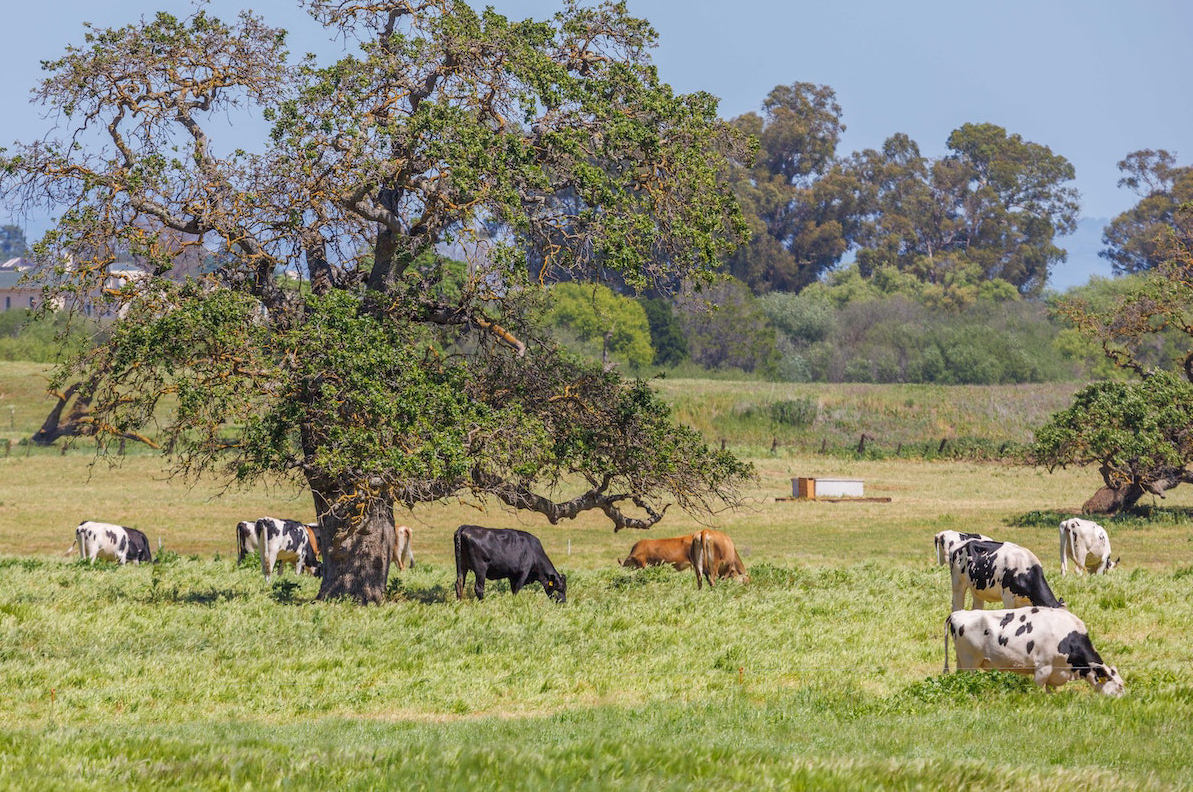
The typical animals that qualify for the Agricultural Exemption in Texas include:- Cattle
- Sheep
- Goats
- Bees (for beekeeping purposes, specific acreage requirements may apply)
Each county may have its own rules, so check with your local Appraisal District for details.
Texas Agricultural Exemption
Central Texas offers tremendous opportunities for those looking to purchase land, farms, or ranches with the potential to qualify for the Agricultural Exemption. Not only can you enjoy the Texas countryside, but you can also benefit from significant tax savings based on the land’s agricultural productivity.
If you’re interested in purchasing agricultural land in Texas, understanding the Agricultural Exemption is a crucial part of maximizing your investment. Whether you’re a seasoned rancher or new to farming, Spyglass Realty is here to help you find the perfect property.
Take Advantage of the Agricultural Exemption in Texas with Spyglass Realty
Owning agricultural land in Texas not only offers a lifestyle change but also financial benefits through the Agricultural Exemption. Our team at Spyglass Realty specializes in helping clients find land, farms, and ranches that qualify for this valuable tax relief. Contact us today to explore your options and take the first step toward owning your dream property while enjoying reduced property taxes.
Sources:
// Posted by Ryan Rodenbeck on May 23rd, 2023
Ryan Rodenbeck
Spyglass Realty FounderRyan Rodenbeck started Spyglass Realty in 2008 to be a solo practitioner and a top-producing agent. By 2015 he had placed in the ABJ Top 50 Realtors and the Platinum Top 50 Realtors. He decided to grow the company and teach what he learned as a top-producing agent to his growing team of agents.
Ryan was originally from Louisiana and relocated to Austin in 2001. In 2008, he founded Spyglass Realty as a platform for himself and a few other agents to operate independently. In 2015, he began developing ideas for transforming his "team" into a full-fledged brokerage and implemented systems and procedures to expand the team.


Featured Blog Posts

Manhattan vs. Austin: 2025 Real Estate, Cost of Living, and Lifestyle Comparison
Posted by Ryan Rodenbeck Read More
Austin Home Values: The Truth Behind Zillow Estimates
Posted by Ryan Rodenbeck Read More

Take The First Step to Your
Real Estate Journey
Contact us
Sign In

Create Account
Get a Consultation