
 Back
Back
Deciding whether to buy a home or continue renting is one of the biggest financial choices most people face. In Austin, Texas, that question in 2025 is more complex than ever. The city’s booming job market, slower price growth, and changing mortgage conditions are reshaping what “value” really means for homebuyers. Let’s take a closer look at whether buying a home in Austin still makes sense and how it compares to renting in today's market.
TABLE OF CONTENTSThe State of the Austin Housing Market

Before diving into whether you should buy or rent, it’s important to understand where the Austin housing market stands in 2025. Home prices, inventory, and affordability have shifted significantly over the past two years, creating both new challenges and opportunities for buyers.
Price trends
In early 2025, Austin’s median sales price was around $429,869, reflecting a 2.3% decline year over year. According to Zillow, the city’s average home value sits at about $497,815, down nearly 7% from the previous year. These numbers show that the market is stabilizing after several years of record-breaking growth.
While prices have softened, they remain much higher than pre-pandemic levels, meaning Austin’s long-term value as a real estate market hasn’t disappeared, it’s just finding a new normal.
Inventory and buyer leverage
Inventory has also improved, with more homes on the market giving buyers room to breathe. The Austin area now has roughly a 5.6-month supply of homes, signaling a shift toward a more balanced market. This increase in available listings means buyers have more negotiating power, and multiple-offer bidding wars are far less common than they were just a few years ago.
Affordability and mortgage rates
Affordability has ticked up slightly thanks to softening prices, but mortgage rates remain a hurdle. The average 30-year fixed mortgage rate in spring 2025 hovers around 6.8%, keeping monthly payments high compared to what buyers were used to in the low-rate years of 2020 and 2021. Even with this challenge, many experts see today’s market as more sustainable, one where value matters more than speed.
Renting vs. Buying: The Cost Picture
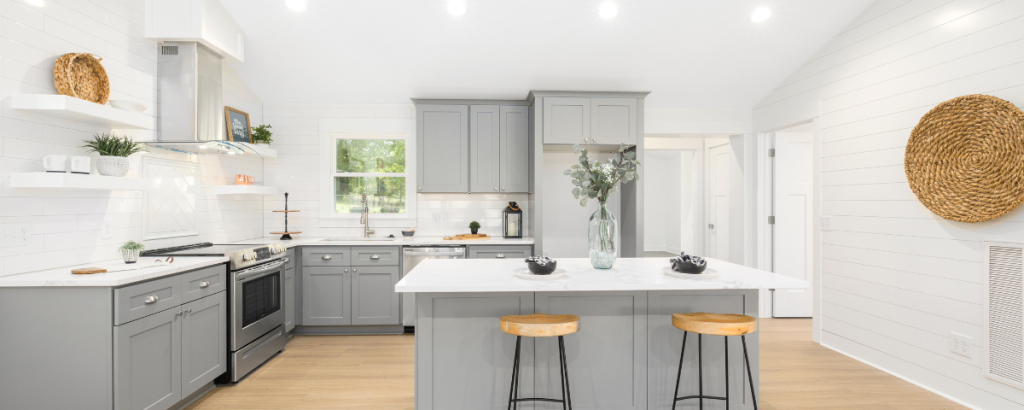
Choosing whether to rent or buy often comes down to simple math. In Austin, that equation has shifted: while homeownership builds long-term equity, renting currently costs less per month for most households.
Monthly cost comparisons
As of 2025, the typical homeowner in Austin spends about $2,768 per month on mortgage payments, property taxes, insurance, and maintenance. Renters, on the other hand, pay roughly $1,764 per month. That’s a difference of about $1,000 each month, a serious consideration for anyone deciding where their money goes.
This cost gap means that renting may make more sense in the short term, especially for residents who value flexibility or plan to move within a few years.
Long-term value and appreciation
While renting may be cheaper now, homeowners build equity over time. From 2020 to 2022, Austin home values surged from around $299,000 to more than $500,000 before leveling off. Even with a recent correction, Austin’s long-term outlook remains strong thanks to continued job growth and steady population increases.
In other words, today’s cooling market might simply be a pause in the city’s longer growth cycle, one that could reward patient homeowners over time.
Rentership trends
About 46% of Austin residents rent, which is higher than the national average. This growing renter population is shaping the city’s real estate landscape, pushing developers to build more multifamily housing and giving renters more options than ever before. That competition could help stabilize rents over the next few years, further influencing whether renting or owning makes the most sense for you.
Key Factors to Consider for Long-Term Value
When weighing the pros and cons of homeownership, it’s not just about price tags. You’ll need to consider how long you plan to stay, what kind of financial cushion you have, and how Austin’s long-term growth aligns with your goals.
Time horizon
If you expect to live in your home for at least five to ten years, buying usually becomes the smarter financial move. That’s because the upfront costs of purchasing, closing fees, inspections, and initial maintenance are spread out over time. If you might move in just a couple of years, though, renting likely makes more financial sense.
Appreciation potential
Austin continues to attract new residents thanks to its strong tech industry, thriving creative scene, and lower cost of living compared to coastal cities. While appreciation may not be as rapid as it was during the pandemic boom, steady population and job growth should continue to support housing demand over the long term. For many buyers, that makes Austin a solid investment in stability.
Taxes, insurance, and maintenance
One often-overlooked factor is the ongoing cost of ownership. Texas has no state income tax, but property taxes are among the highest in the country, often around 2% of a home’s value each year. For a median-priced home, that can mean $8,000 to $10,000 annually. Add in homeowners' insurance and routine maintenance, and your true cost of ownership becomes much higher than just your mortgage payment.
Opportunity cost of renting
Renting avoids these costs and provides flexibility, but it also means missing out on equity growth. Over time, homeowners often benefit from rising property values and the forced savings of paying down a mortgage. However, if you’re investing your savings elsewhere, like in the stock market or your own business, renting could still be the more strategic move.
Market timing and negotiation
Because the market has cooled, buyers now have more leverage when making offers. Many homes are selling below asking price, giving well-prepared buyers the chance to negotiate favorable deals. Still, with price corrections still underway, patience and due diligence are key before making a move.
So… Is Buying Still Worth It in Austin in 2025?

It depends on your situation. The answer isn’t a simple yes or no—it’s about your timeline, financial readiness, and goals. Let’s break it down.
When buying makes sense
Buying a home in Austin makes sense if:
- You plan to stay for at least five to ten years.
- You have a stable income and can comfortably afford monthly payments, taxes, and maintenance.
- You’re focused on building long-term wealth and equity.
- You want stability and control over your living space.
Even with higher mortgage rates, Austin’s strong job base and ongoing development make ownership a worthwhile consideration for those who can play the long game.
When renting might be smarter
Renting could be the better choice if:
- You may relocate or change jobs soon.
- You prefer lower monthly costs and minimal responsibility for upkeep.
- You want to keep your savings liquid for other investments.
- You’re not ready to commit to a specific neighborhood or lifestyle.
With average rents holding steady and more rental inventory available, Austin renters have options—and time to make smart, informed decisions about when to buy.
Recommendations for Buyers
Even though Austin’s housing market has cooled, it’s still one of the most desirable cities in the country for long-term growth. The key is approaching your purchase with realistic expectations, not speculation.
Start by assessing your finances carefully. Use a rent-versus-buy calculator to see how monthly costs stack up over the next five years. If you plan to stay long enough to benefit from equity and potential appreciation, buying could still be the better move.
Next, be strategic about location. Focus on neighborhoods with strong fundamentals, proximity to jobs, schools, and amenities, rather than just chasing trendy areas. These pockets tend to hold value better during market slowdowns.
Finally, think long-term. Even though prices may fluctuate, Austin’s economic foundation remains strong. The tech sector, healthcare, and creative industries continue to drive demand for housing. A well-priced home bought today could look like a smart investment ten years from now.
Making the Right Move in Austin’s 2025 Housing Market
In 2025, Austin’s housing market is neither booming nor busting, it’s balancing. Home prices have cooled, inventory is up, and mortgage rates remain elevated, but the fundamentals that made Austin attractive haven’t gone away.
If you’re financially prepared and plan to stay for several years, buying a home in Austin is still worth it. You’ll benefit from stability, equity growth, and the satisfaction of owning property in one of America’s most dynamic cities.
But if you value flexibility or are unsure about your near-term plans, renting remains a smart, low-risk choice. You’ll save on monthly costs and can wait for the market to settle further before committing.
Either way, Austin continues to offer opportunity, whether you invest through homeownership or take advantage of its thriving rental scene. The key is aligning your decision with your lifestyle, finances, and long-term goals.
Buying in Austin should feel exciting, not stressful. Talk to a real estate specialist at (512) 488-4143 or message us at contact us here for smart, confident next steps.

Ryan Rodenbeck
Spyglass Realty FounderRyan Rodenbeck started Spyglass Realty in 2008 to be a solo practitioner and a top-producing agent. By 2015 he had placed in the ABJ Top 50 Realtors and the Platinum Top 50 Realtors. He decided to grow the company and teach what he learned as a top-producing agent to his growing team of agents.
Ryan was originally from Louisiana and relocated to Austin in 2001. In 2008, he founded Spyglass Realty as a platform for himself and a few other agents to operate independently. In 2015, he began developing ideas for transforming his "team" into a full-fledged brokerage and implemented systems and procedures to expand the team.


Featured Blog Posts

Manhattan vs. Austin: 2025 Real Estate, Cost of Living, and Lifestyle Comparison
Posted by Ryan Rodenbeck Read More
Austin Home Values: The Truth Behind Zillow Estimates
Posted by Ryan Rodenbeck Read More

Take The First Step to Your
Real Estate Journey
Contact us
Sign In

Create Account
Get a Consultation