
 Back
Back
Walking into a dated house with cracked drywall and a sagging porch can actually feel exciting. That rough-looking property could hide real potential, turning into your dream home or a lucrative resale with the right improvements.
The key is knowing how to assess the true costs and risks upfront so you’re not stuck in a money pit. This guide will show you how to evaluate a fixer-upper in Austin without getting burned, giving you the confidence to spot opportunities and dodge disasters.
TABLE OF CONTENTSWhen a Fixer-Upper Is Worth It

Not every ramshackle house is a treasure in disguise. However, when the circumstances line up, a fixer-upper can deliver tremendous value to a buyer. The trick is identifying when the potential reward outweighs the renovation costs and risks. Understanding Austin’s market dynamics and doing some smart calculations will help you determine if a fixer-upper is genuinely worth it.
One of the biggest advantages of buying a fixer-upper is the chance to get into an otherwise unaffordable location. With a fixer, you can snag a home at a lower purchase price in a neighborhood you might otherwise be priced out of, and then build equity through renovations.
To figure this out, experienced investors and Realtors follow a simple formula to evaluate a fixer-upper’s viability. Essentially, you want to estimate the renovation costs relative to the home’s future value:
-
Estimate Renovation Costs: Tally up a realistic budget for all needed repairs and upgrades (materials + labor) after a thorough assessment of the home’s condition.
-
Determine After-Repair Value (ARV): Research comparable home sales in the area to estimate the home’s market value after renovations are completed.
-
Build in a Cushion: Subtract your renovation budget from the ARV, then subtract an extra 10, 20% for unforeseen issues or cost overruns.
If the numbers still make sense, meaning the purchase price plus reno costs (and a contingency buffer) come in well under the expected ARV, then the fixer-upper is likely worth it. You’ll have potential equity or profit margin for your efforts.
Always remember that major structural problems can tilt the equation; extensive foundation or structural repairs might mean the home will cost too much to fix to be a wise investment.
Prime Location: The home is in a desirable Austin neighborhood or a rapidly improving area, promising better long-term value and resale potential. Location can be a game-changer for future ROI.
Mostly Cosmetic Repairs: The needed improvements are largely cosmetic (surface-level), think paint, flooring, fixtures, rather than expensive structural repairs. A house with good “bones” but ugly finishes is often ideal.
Solid Equity Potential: After adding renovation costs (plus a contingency buffer) to the purchase price, the total is comfortably below the expected after-renovation market value. This spread indicates you’re gaining instant equity for your work.
Feasible Timeline and Budget: You have the budget, financing, and time to take on the renovations. If you can afford the updates and live with the process (even if it means a temporary rental or some DIY weekends), the fixer-upper can be worth the effort.
Growth Potential: The property has inherent potential that appeals to buyers (or to you as an owner) once fixed up, for instance, an outdated layout that can be opened up, or an under-utilized lot where you can add space. Unlocking this value will make the home stand out in Austin’s market.
In short, a fixer-upper is worth pursuing when you’ve done the homework and the deal adds up. Austin’s housing market can reward those willing to put in sweat equity, especially in neighborhoods where property values are climbing. By focusing on the right location and accurately projecting costs and values, you can turn a neglected house into a smart investment.
Red Flags That Kill ROI
Even the most optimistic renovator has to face reality: some problems are deal-breakers. Certain red flags can turn that bargain fixer-upper into a bottomless money pit, wiping out your return on investment.
It’s crucial to know the warning signs that signal expensive trouble ahead. By recognizing these red flags early, you can avoid pouring cash into a house that will never pay you back.
Severe Foundation Problems: Evidence of significant foundation issues (large cracks, doors out of square, sloping floors) is a top red flag. In Austin’s clay soil, constantly shifting ground makes foundation repairs costly and more common.
Chronic Moisture or Mold: Water stains, damp smells, or visible mold growth indicate leaks that could require invasive repairs. Mold remediation isn’t just cleaning , you must fix the source. Moisture damage that’s been ignored can mean replacing drywall, insulation, even structural wood. This is a red flag for runaway renovation costs.
Termite or Pest Damage: If an inspection finds active termites, carpenter ants, or extensive rodent damage, beware. Termites in particular can eat away your ROI by necessitating major structural wood repairs.
Unpermitted or Subpar Renovations: Discovering that a previous owner finished work without permits or did DIY electrical/plumbing is a serious red flag. Unpermitted additions might need to be rebuilt or legalized at your expense.
Outdated Major Systems: An old knob-and-tube wiring system, a 40-year-old HVAC, or corroded cast iron pipes can all demand immediate replacement. These aren’t cheap fixes. Needing to upgrade an entire electrical or plumbing system will dramatically increase your budget.
Spotting red flags early is an essential part of evaluating a fixer-upper. The goal is to go in with eyes wide open. A house can have a lot of cosmetic flaws and still be a great deal, but if it has one of the above serious issues unchecked, your profit margin (and your patience) could quickly evaporate.
In Austin, where older homes and even some newer builds can hide issues (like that infamous foundation-settling risk), doing due diligence on these red flags will save you from heartache. Always leverage professional inspectors to investigate anything suspicious.
Must-Have Contractor Inspections

Every experienced fixer-upper buyer will tell you: don’t skimp on inspections. A standard home inspection is just the beginning, especially for a fixer-upper. Because you’re often dealing with older or neglected properties, it’s wise to bring in specialized contractors and inspectors to thoroughly vet the home before you commit.
These experts have a trained eye in their domain and can spot problems a generalist might miss. It’s far better to spend a bit more on inspections now than to discover a $30,000 foundation crack after closing.
Foundation Specialist: Always get a foundation contractor or structural engineer to evaluate any foundation cracks or settling noted. In Austin’s soil conditions, a specialist’s assessment is critical to determine if repairs are minor or major.
Roofing Contractor: If the roof is older or shows damage, have a roof inspection by a professional roofer. They can estimate remaining life and replacement cost, invaluable info for your budget.
Plumber (Sewer Scope): For homes more than 30-40 years old, hire a plumber to scope the sewer line with a camera. This can uncover root intrusion, breaks, or clogs in the main line that are expensive to fix (often overlooked until sewage backs up!).
Electrician: An inspection by a licensed electrician will reveal any dangerous wiring, an undersized electrical panel, or other code issues. Old aluminum or knob-and-tube wiring is a hazard and costly to replace, so get an expert opinion.
Pest & Termite Inspector: Always conduct a termite inspection (and check for other pests). Termite damage can be invisible until it’s severe. A pest inspector will also identify signs of rodents, bats, or other infestations so you know what you’re up against.
Environmental Tests (as needed): For older fixers, consider testing for lead paint, asbestos, or mold if there are indicators. Removing asbestos insulation or abating lead paint safely requires licensed professionals and can affect your renovation plans.
By lining up these must-have inspections, you’re doing thorough due diligence on your fixer-upper. Yes, it requires coordinating multiple pros and paying for a few extra reports, but this knowledge is power. You’ll either go into the purchase with eyes wide open, fully aware of what needs fixing and how much it might cost, or you’ll discover deal-breakers in time to back out.
Calculating Your True Investment: Budgeting for Success
Before making an offer on any fixer-upper in Austin, you need a realistic budget that accounts for both visible repairs and hidden surprises. Start by categorizing repairs into three tiers:
Immediate/Safety Repairs: These non-negotiables include structural issues, electrical hazards, and plumbing failures. Budget 20-30% above contractor estimates for these critical items. In Austin, expect:
- Foundation repairs: $5,000-30,000+
- Electrical rewiring: $8,000-15,000
- Plumbing replacement: $4,000-12,000
- Roof replacement: $8,000-20,000
Livability Upgrades: Updates needed to make the home comfortable, such as HVAC replacement, kitchen functionality, and bathroom repairs. These typically run $15,000-40,000 for Austin homes:
- HVAC system: $6,000-12,000
- Basic kitchen refresh: $15,000-25,000
- Bathroom update: $8,000-15,000
- Window replacement: $500-1,000 per window
Cosmetic Improvements: Paint, flooring, fixtures, and landscaping that add value but aren't urgent. Plan $10,000-25,000 for meaningful aesthetic updates:
- Interior painting: $3,000-6,000
- Flooring: $3-8 per square foot installed
- Light fixtures and hardware: $2,000-5,000
- Basic landscaping: $3,000-10,000
Always maintain a 10-20% contingency fund for Austin's common surprises: discovering aluminum wiring, finding asbestos insulation, or uncovering previous unpermitted work that needs to be brought to code.
Financing Options Like FHA 203(k)
Buying a fixer-upper isn’t just about the house, it’s also about how you’ll pay to fix it. Renovation costs can be substantial, and not everyone has cash on hand to cover them. One of the most popular routes is the FHA 203(k) loan, which is practically built for fixer-upper buyers.
The FHA 203(k) loan is often dubbed the “fixer-upper loan.” It’s a mortgage insured by the Federal Housing Administration that bundles your home purchase and renovation costs into one loan package. This program lets you spread the renovation costs over 30 years at typical mortgage interest rates, instead of using high-interest credit cards or multiple loans.
The U.S. Department of Housing and Urban Development (HUD) offers two flavors of 203(k) loans: a Standard 203(k) for major renovations and a Limited 203(k) (formerly called Streamline) for smaller projects. Both require the home to be at least a year old and the renovation work to be completed by licensed contractors.
FHA 203(k) is not the only option. There are other financing paths to consider based on your situation. It’s wise to compare and even combine strategies if needed. Some buyers tap into personal or family savings for a portion of the renovations and finance the rest. Others use alternative loan products beyond FHA. Here are a few common avenues:
FHA 203(k) Renovation Loan: A government-backed mortgage that combines the purchase price and renovation costs into one loan with one monthly payment. It allows as little as 3.5% down and is tailored for primary residence fixer-uppers. (Great for first-time buyers who need a low down payment.)
Conventional Renovation Loan (HomeStyle): Similar to 203(k) but offered by conventional lenders (Fannie Mae’s HomeStyle program, for example). Often requires a slightly higher down payment (around 5, 10%) but can finance a wide range of projects. Spyglass Realty’s preferred lenders note that with some conventional renovation loans, you can even put as little as 5% down and still roll in substantial repair costs.
Cash-Out Refinance: If you already own a home with equity, you could refinance that property and pull out cash to fund the fixer-upper purchase or rehab. This is more common for someone buying a second property or an investor using their primary home’s equity as leverage.
Home Equity Line of Credit (HELOC): For current homeowners, a HELOC on your existing home can provide a flexible pot of money for renovation expenses. You borrow as needed, which can work if your fixer project will be done in stages.
Personal or Construction Loans: In some cases, a short-term construction loan or even a personal loan might fill the gap for renovation costs. These typically have higher interest rates and are best used when you have a clear, short timeline to either pay them off or refinance into a traditional mortgage after increasing the home’s value (for example, refinancing into a new loan once the house is fixed and appraised higher).
Get pre-approved and discuss your renovation plans with your lender so there are no surprises. With the right financing, you’ll have the money you need to transform that fixer-upper, and you won’t be left scrambling to pay for a half-finished remodel.
DIY vs. Professional Renovation: Making the Right Choice
The decision to tackle renovations yourself or hire professionals can make or break your fixer-upper investment. In Austin's competitive market, time is money—every month of delays costs you in carrying costs and lost opportunity.
DIY-Friendly Projects:
- Interior painting and cabinet refinishing
- Flooring installation (vinyl plank, laminate)
- Basic landscaping and exterior cleanup
- Light fixture and hardware updates
- Basic tile work and backsplashes
- Demolition (with proper safety equipment)
- Basic fence repairs
- Pressure washing and exterior cleaning
Always Hire Professionals For:
- Structural modifications requiring permits
- Electrical panel upgrades or rewiring
- Plumbing reroutes or main line work
- Foundation repairs (especially critical in Austin)
- Roof replacement
- HVAC installation
- Gas line work
- Major tree removal (especially protected species)
- Pool repairs or equipment replacement
Remember: Austin requires permits for most major work, and only licensed contractors can pull many of these permits. Factor in permit costs ($500-5,000+) and timeline delays (2-8 weeks) when planning your renovation.
Navigating Austin's Permit and Code Requirements
Austin's building codes and permit requirements can surprise first-time renovators. Understanding these requirements upfront prevents costly delays and fines that can derail your project timeline and budget.
Common Permits Needed:
- Building permits for structural changes, additions, or conversions ($500-2,000)
- Electrical permits for panel upgrades, rewiring, or new circuits ($150-500)
- Plumbing permits for fixture relocation, water heater replacement ($150-500)
- Mechanical permits for HVAC installation or ductwork changes ($150-500)
- Tree removal permits for protected species over 19" diameter ($300-800)
- Fence permits for fences over 8 feet or in front yards ($50-200)
Timeline Considerations: Austin's Development Services Department typically takes 2-3 weeks for residential permit review, but complex projects can take 6-8 weeks. Plan accordingly and submit applications early. Consider hiring an expediter for complex projects.
Historic Districts: Properties in Hyde Park, Travis Heights, and other historic areas require additional review and approval from the Historic Landmark Commission, adding 4-6 weeks to your timeline.
Timeline Management: From Purchase to Move-In
Creating a realistic timeline prevents budget overruns and frustration. Here's what to expect for Austin fixer-uppers:
Cosmetic Renovation (2-3 months):
- Week 1-2: Permits and contractor scheduling
- Week 3-8: Active renovation
- Week 9-12: Finishing touches and final inspections
Major Renovation (4-8 months):
- Month 1: Permits, plans, and contractor selection
- Month 2-6: Structural and systems work
- Month 6-7: Cosmetic updates
- Month 8: Final inspections and punch list
Complete Gut Renovation (8-12 months): Factor in Austin's busy construction season (March-October) when contractors are in highest demand and prices peak.
Maximizing ROI: Strategic Improvement Priorities
Not all improvements deliver equal returns in Austin's market. Focus your budget on updates that matter most to local buyers:
High-ROI Improvements:
- Kitchen updates (75-85% return)
- Master bathroom renovation (70-75% return)
- Energy-efficient windows and insulation (65-75% return)
- Outdoor living spaces (65-80% return)
- Smart home features (60-70% return)
Austin-Specific Value Adds:
- Drought-resistant landscaping
- Covered parking or carports
- Home office space
- Energy-efficient HVAC systems
- Solar panel readiness
Spyglass Realty’s Approach to Fixer-Upper Buyers
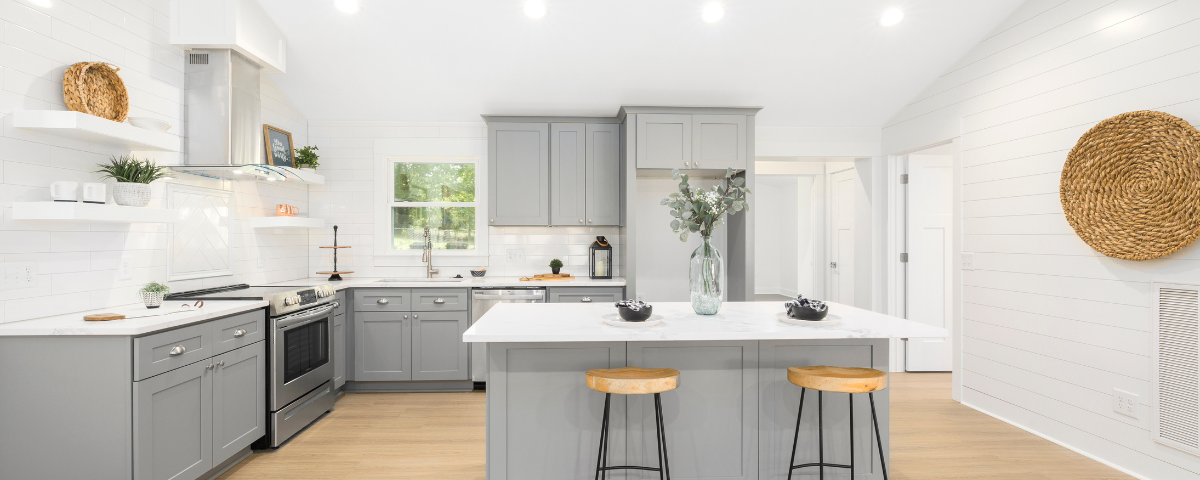
Purchasing a fixer-upper is a journey best undertaken with a savvy guide by your side. This is where Spyglass Realty’s approach truly shines for Austin fixer-upper buyers. Buying a fixer in need of TLC isn’t a typical transaction, and our agents recognize that.
Our agents work closely with buyers to ensure no stone is left unturned in evaluating a potential project home. The focus is on maximizing value for the buyer while minimizing risk, through careful analysis and a network of support.
Spyglass Realty’s approach to fixer-upper buyers is all about empowerment and protection. We combine enthusiasm for a home’s potential with a pragmatic eye for detail. That means you get the best of both worlds: the excitement of imagining what a home could be, and the grounded knowledge of what it will take to get there.
We help clients unlock the power of homeownership, and for fixer-uppers, that means turning a house into a beautiful home and a smart financial decision. With our expertise on your side, you can navigate the fixer-upper journey with confidence, knowing you have a true advocate ensuring you won’t get burned.
Thinking about your next move? Our real estate consultants are just one call or message away at (512) 580-9338 or contact us here!
Posted by Ryan Rodenbeck on August 20th, 2025
Ryan Rodenbeck
Spyglass Realty FounderRyan Rodenbeck started Spyglass Realty in 2008 to be a solo practitioner and a top-producing agent. By 2015 he had placed in the ABJ Top 50 Realtors and the Platinum Top 50 Realtors. He decided to grow the company and teach what he learned as a top-producing agent to his growing team of agents.
Ryan was originally from Louisiana and relocated to Austin in 2001. In 2008, he founded Spyglass Realty as a platform for himself and a few other agents to operate independently. In 2015, he began developing ideas for transforming his "team" into a full-fledged brokerage and implemented systems and procedures to expand the team.


Featured Blog Posts

Manhattan vs. Austin: 2025 Real Estate, Cost of Living, and Lifestyle Comparison
Posted by Ryan Rodenbeck Read More
Austin Home Values: The Truth Behind Zillow Estimates
Posted by Ryan Rodenbeck Read More

Take The First Step to Your
Real Estate Journey
Contact us
Sign In

Create Account
Get a Consultation