
 Back
Back
Key Takeaways
- Austin land averages $7,200 per acre, with smaller parcels under 50 acres costing $10,000+ per acre (up 6% year-over-year)
- Budget beyond the purchase price for site preparation ($5,000-$50,000+), utilities ($10,000-$75,000+), and permits ($5,000-$30,000+)
- Verify zoning compliance, utility access, soil conditions, and flood zone status before making an offer
- Land loans typically require 20-25% down payments with higher interest rates than traditional home mortgages
- Choose a real estate agent experienced in land transactions, as the process differs significantly from home purchases
The dream of buying land in Austin isn't just about owning a piece of Texas, it's about building something from the ground up that's entirely yours. You've probably seen Austin's skyline explode over the past few years and felt that pull to plant roots here.
The thought of buying land can feel overwhelming, though. Where do you even start? You might be imagining a quiet Hill Country plot with those sweeping views, or maybe an acre lot closer to the city's energy. With so many properties available around Austin, narrowing down your options takes some planning.
Here's what we've learned after helping hundreds of Austin families navigate this process, buying land isn't like buying a house that's already built. It's a completely different game with its own rules and potential pitfalls. We've seen buyers save thousands by understanding the costs upfront, but we've also watched others get hit with surprise expenses that doubled their budget.
The good news? With the right information, you can avoid those expensive mistakes and actually enjoy the process of creating your perfect Austin property.
TABLE OF CONTENTSWhy Even Think About Buying Land in Austin?
With home prices always fluctuating, why add the complexity of building from scratch? There are solid reasons people choose this path, based on what we've seen helping Austin families over the years.
The investment angle makes sense. Austin's population keeps growing as people and companies move here for jobs, music scene, and lifestyle. Housing demand stays high while developable land gets scarcer, especially in Travis County. Land values have held steady even when other markets got shaky.
Creative control is the bigger draw for most of our clients, though. Buy an existing home and you inherit someone else's choices—awkward kitchen layouts, windows facing the wrong direction, bathrooms that make no sense. With land, you start fresh. You decide where to place windows for morning sun or those Lake Travis views. Design a kitchen that actually works for how you cook.
The lifestyle piece varies by person. Some want space for gardens or workshops. Others just want their kids to run around without neighbors complaining. We've worked with families who found hillside acres in the Hill Country, just a short drive from downtown Austin.
How Much Does Land Cost in Austin Right Now?
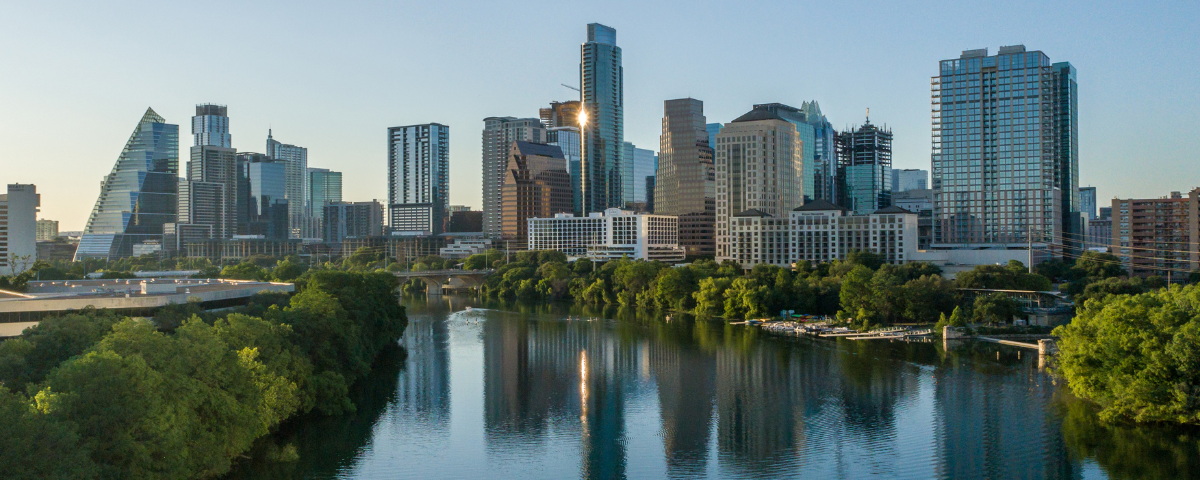
In the Austin area, land is running about $7,200 per acre on average as of late 2024, according to Texas rural land market data. That number stayed pretty stable this year—up only about 1% from last year. But here's the catch: those smaller parcels under 50 acres that most people actually want? You're looking at $10,000+ per acre, and those prices jumped 6% just this year.
The closer you get to Austin proper, the pricier it gets. We've seen lakefront properties and Hill Country parcels with decent views go for way above these averages.
There's another thing to keep in mind, though. The City of Austin Planning Department has specific rules about what you can actually do with your land—building coverage limits, utility requirements, all that fun stuff. Plus, with all the recent zoning changes happening around Austin, you'll want to check zoning compliance early in your search. Make sure water, sewer, power, and road access are actually doable before you get your hopes up on a property.
What Should Your Budget Be for Buying Land in Austin?
Before you start browsing listings, you need to nail down two things: what you want to do with the land and what you can realistically afford. These decisions will guide everything else.
Figure Out Your "Why"
Why do you want this land? Your answer completely changes what kind of property makes sense. Are you building your forever home, maybe a custom estate tucked into the trees? Is this a long-term investment property you'll sell later? Or maybe you want a recreational getaway, like waterfront property on Lake Austin for weekend escapes.
A land speculator looks for different features than someone planning a custom home. The requirements for a sprawling single-story are different from a two-story with a small footprint. Thinking through this now saves time and frustration later.
The Real Numbers You Need to Know
Figuring out your land budget is trickier than budgeting for a regular home purchase. The sale price is just the beginning of your expenses.
You'll have site preparation costs, clearing trees, leveling ground, building driveways. These vary wildly depending on the land's condition and slope. Then there are utilities. Does the property connect to city water and sewer, or will you need a well and septic system? Running electricity to remote properties can cost tens of thousands.
Don't forget permits and fees from the city or county, which can be substantial in Travis County. Plus the actual construction cost for your home is the biggest expense. On top of everything, you'll pay property taxes, you can estimate these by checking comparable properties through the Travis Central Appraisal District.
Add it all together for your true project cost. Looking at every expense prevents surprises that could derail your plans.
| Potential Cost Category | Description | Estimated Cost Range |
|---|---|---|
| Raw Land Price | The listed price for the property itself. This can range from accessible to millions for a prime south shore lakefront property. | Highly variable |
| Site Preparation | Clearing vegetation, grading the land for proper drainage, and constructing a driveway for access. A positioned homesite rests atop a hill will have higher costs. | $5,000 - $50,000+ |
| Utility Hookups | Connecting to water (well or city), sewer (septic or city), electricity, and gas. Costs are higher for land far from existing infrastructure. | $10,000 - $75,000+ |
| Surveys & Reports | Boundary survey, topographic survey to understand the land's contours, and a geotechnical soil report for foundation planning. | $2,500 - $10,000 |
| Permits & Fees | Includes building permits, city or county impact fees, and fees for planning reviews. These can be complex in areas like Bee Cave. | $5,000 - $30,000+ |
| Construction Costs | The price per square foot to build your home, which varies based on materials, complexity, and builder choice. | $200 - $400+ per sq. ft. |
Finding Your Land Location in Austin
Once you know your goals and budget, you get to start the fun part, actually looking for land. But where do you find the best properties in Austin?
The Multiple Listing Service (MLS) is where most agents pull listings, and it's usually your best starting point for land for sale in Austin. You'll see the widest selection here, from Hill Country acreage to lots closer to downtown.
Land auctions are another option, though they move fast. You need financing completely lined up before you even bid. It's basically all or nothing, great if you know exactly what you're doing, but risky if you don't.
Here's what matters most, though: work with an agent who actually handles land deals regularly. Buying raw land involves different contracts, due diligence periods, and considerations than regular home sales. We've seen buyers get tripped up because their agent treated it like a house purchase.
Our experienced team has worked with hundreds of Austin families on land purchases, from waterfront lots in Villa del Lago to rural Hill Country parcels. We know the specific challenges that come with raw land deals and can help you sidestep the mistakes that cost other buyers time and money.
What Should You Look for When Buying Land in Austin?
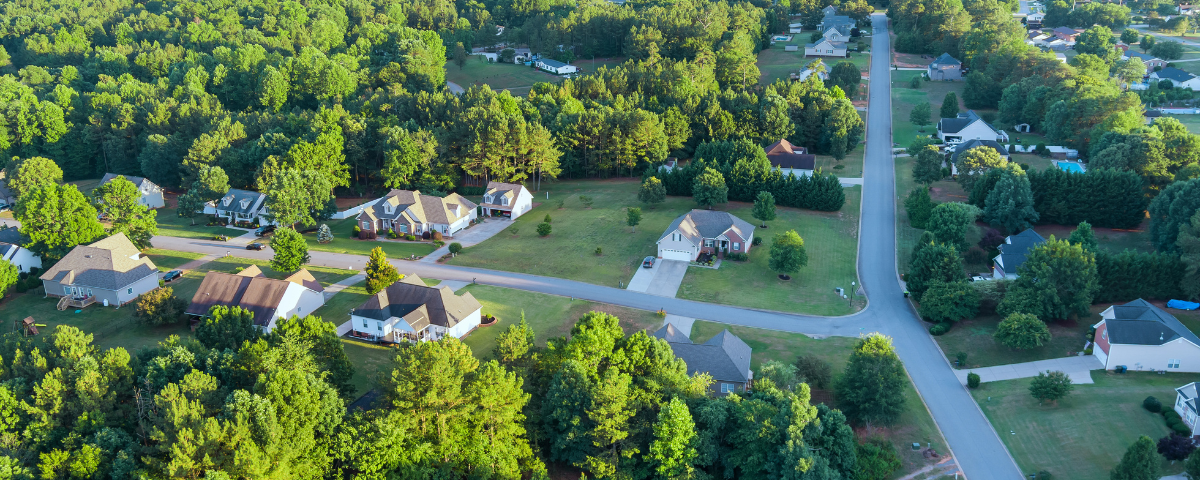
You found a piece of land that looks perfect in photos, maybe it has those breathtaking views you've been dreaming about. But now comes the critical part: investigating what you're actually buying before you make an offer.
Location, Zoning, and Rules
This is probably the most important factor. Is the land within Austin's city limits, or is it in the extraterritorial jurisdiction (ETJ)? Maybe it's further out in an unincorporated part of the county? The rules for what you can build vary dramatically depending on where you are.
You'll need to dig into the zoning, which dictates how the land can be used. Some land is zoned for single-family homes, while other parcels might be restricted to commercial use. Check out the City of Austin's zoning guide to understand the different classifications.
Beyond zoning, watch out for deed restrictions. These are rules put in place by the original developer that can control things like minimum house size or building materials. They can be just as restrictive as zoning laws.
Access to Utilities
Never assume utilities will be easy to get. For every property you're considering, find out the real situation with water, sewer, and electricity. If you're looking at undeveloped areas, you might need to drill a well for water, which requires quality testing. You'll probably need a septic system for wastewater, which needs permits and soil testing.
Getting electricity can be tricky too. Contact your local provider like Austin Energy or Pedernales Electric Cooperative to see what it'll actually cost to run lines to your property. If it's far from existing infrastructure, you might get sticker shock. Check out our guide on utility companies in Austin for more details.
Land Shape and Soil
The land itself plays a huge role in your costs. Is the property flat, or does your ideal homesite sit on a steep hill? Building on slopes costs significantly more than flat ground, though you might get those long view corridors overlooking the landscape.
Water drainage is another big concern. Is any part of the property in a floodplain? Building in flood zones is both difficult and expensive. You can check flood risks by entering the property address on the FEMA Flood Map Service.
Central Texas soil can be challenging too. The Hill Country has lots of rock and expansive clay soil, which affects your foundation. You might need specialized, more expensive designs to prevent future problems.
Environmental Rules
Austin takes its green spaces seriously and protects them aggressively. Be aware of environmental regulations that might affect your property. This includes things like protected trees. Austin's heritage tree ordinance protects large, established trees.
The city's environmental criteria get especially strict in areas like the Barton Springs Zone or near waterways. Some properties near Barton Springs or other Austin parks and trails might have additional restrictions. Certain areas are also habitats for endangered species like the Golden-cheeked Warbler. If your property sits in a designated habitat area, you could face major development restrictions.
How to Research Land Before Making an Offer
After you've checked all the major factors, it's time to get even more detailed. This is where you confirm everything before you're legally committed to buying the property. Think of it as your final homework before the big test.
This research period gives you time to bring in experts who can spot things you might miss. You'll definitely want a new boundary survey done to confirm the exact property lines and show any easements. We've seen buyers discover their "perfect" homesite was actually sitting on a utility easement that couldn't be built on.
You might also want a soil engineer to take samples and tell you about the ground's stability. Sounds boring, but this helps your builder design the right foundation. We had one client skip this step and later discover their dream lot needed $40,000 in extra foundation work because of unstable clay.
During this time, you can also check with city or county officials about your specific plans. They'll tell you if your proposed homesite actually works or if your driveway idea is feasible given the terrain.
Making Your Offer
When you're confident this is the right property, it's time to make an offer. Your agent will help with the purchase contract, but land offers need specific protections that regular home contracts don't.
The most important protection is a feasibility period, usually 30 to 90 days, where you can do all your research. Find a major problem during this time? You can walk away and get your earnest money back.
This is your chance to confirm everything from actual building costs to whether your dream home with that private overlook is even buildable on the lot. Other protections might include getting financing approved and making sure the survey matches what you expected.
The key is giving yourself enough time and protection so you don't end up buying someone else's expensive headache.
How to Pay for Your Land
Financing a land purchase isn't like getting a regular home mortgage. Banks view raw land as riskier because if you default, they're stuck with an empty lot that's harder to sell than a finished house.
Because of this risk, land loans come with stricter requirements. You'll need at least 20% to 25% down, sometimes more for prime waterfront properties or larger parcels. Interest rates run higher than standard home mortgages too, usually by half a percent to a full percent.
Your best bet is often local banks or credit unions. They know the Austin market better and may have specific loan programs for land in Travis County. We've seen clients get better terms from smaller, local lenders who understand the area's growth potential.
In some cases, the seller might offer financing directly. This can work well if the terms are fair and the seller owns the land free and clear. Just make sure you have a real estate attorney review any seller financing agreement before you sign.
The key is getting pre-approved before you start looking seriously. Land deals can move fast, and you don't want to lose your perfect property because your financing wasn't lined up.
What Happens After You Own the Land?
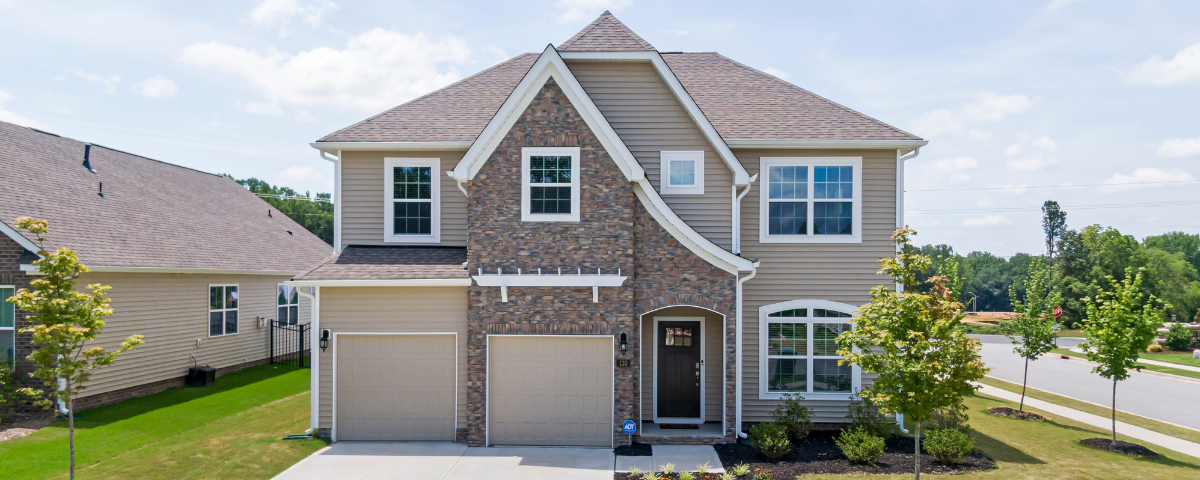
Getting the deed to your new property is a huge milestone, but it's also where the next phase of your project begins. Now you get to turn that empty lot into your dream home.
Your first step is building your team. You'll need an architect to design your home and a builder to make those plans reality. Take your time here and interview several of each. Check their references carefully and look at their previous work, especially if they've built on similar terrain or lot conditions.
Then comes the permitting process. You'll submit your architectural plans to the City of Austin or the appropriate county for approval. Fair warning: this can take time, sometimes several months depending on the complexity of your project and current city workload. Be patient with this part.
Once you get permits approved, construction starts. You'll watch your land transform from an empty lot to a foundation, then framed walls, and finally your finished home. It's pretty amazing to see it all come together, especially when you remember standing on that same spot months earlier trying to visualize where everything would go.
The whole process from land purchase to move-in typically takes 12 to 18 months, depending on your home's size and complexity. But at the end, you'll have something truly unique: a home built exactly how you wanted it, in a location you chose, in one of America's most vibrant cities.
For informational purposes only. Always consult with a licensed real estate professional before proceeding with any real estate transaction.
Common Mistakes When Buying Land in Austin
After helping hundreds of families buy land in Austin, we've seen the same costly mistakes happen over and over. Here are the big ones you'll want to avoid.
Falling in Love Before Doing Your Homework
We get it. You find that perfect Hill Country lot with amazing views and you're ready to make an offer on the spot. But we've watched buyers spend $50,000 on a lot they couldn't actually build on because of setback requirements or environmental restrictions. Always verify zoning, utilities, and buildability before you get emotionally attached.
Underestimating the True Costs
The biggest mistake? Only budgeting for the land price. We had one client who bought a $200,000 lot, then discovered utilities would cost another $80,000 because the nearest power line was over a mile away. Factor in site prep, utilities, permits, and construction costs from day one. Your land might be $200,000, but your total project could easily hit $800,000.
Skipping the Soil Test
That beautiful sloped lot might look perfect until you discover it's mostly solid rock or unstable clay. We've seen foundation costs double because buyers skipped the geotechnical report to save $3,000 upfront. In Central Texas, soil conditions can make or break your budget.
Not Understanding Water Rights and Restrictions
Austin takes water seriously, especially around Barton Springs and Lake Travis. Some lots come with restrictions on wells, septic systems, or impervious cover that could limit your home design. Don't assume you can build whatever you want just because you own the land.
Working with the Wrong Agent
Land transactions aren't like house sales. Using an agent who normally sells existing homes can cost you. They might miss crucial details about mineral rights, easements, or development restrictions that could affect your property's value and usability.
The good news? All of these mistakes are completely avoidable with proper planning and the right guidance.
Ready to Buy Land in Austin?
Buying land in Austin is definitely a major project that requires patience, research, and a solid plan. You'll face challenges with zoning, utilities, and financing that don't exist with regular home purchases. From exploring land near Bee Cave to finding the perfect Hill Country acreage, the process has its complexities.
But here's the thing: the reward at the end makes it all worthwhile. You get a home that's truly yours, built exactly how you envisioned it, in a place you chose. With careful planning and experienced guidance, you can navigate this process successfully and avoid the costly mistakes that trip up other buyers.
We've helped hundreds of Austin families turn their land dreams into reality, from waterfront lots to rural Hill Country parcels. The key is having the right team and understanding the process from start to finish.
Ready to start your Austin land journey? Call (512) 580-9338 or send us a message at contact us here to get started with experienced agents who know land transactions inside and out.
Frequently Asked Questions About Buying Land in Austin
How much does land cost in Austin?
Austin land averages $7,200 per acre, but smaller parcels under 50 acres typically cost $10,000+ per acre. Prices vary significantly based on location, with Hill Country and waterfront properties commanding premium prices.
What's the minimum down payment for land in Austin?
Land loans typically require 20-25% down payment, sometimes more for prime properties. Interest rates are also higher than traditional home mortgages because banks consider raw land a riskier investment.
Do I need a special real estate agent to buy land?
Yes, land transactions involve different contracts, due diligence periods, and considerations than home sales. You want an agent experienced with land deals who understands zoning, utilities, and development requirements specific to the Austin area.
What additional costs should I budget beyond the land price?
Plan for site preparation ($5,000-$50,000+), utility connections ($10,000-$75,000+), permits and fees ($5,000-$30,000+), plus construction costs. Your total project cost will be significantly higher than just the land purchase price.
How long does it take to buy land and build in Austin?
The land purchase process typically takes 30-90 days including due diligence. Once you own the land, the entire process from hiring your team to moving into your finished home usually takes 12-18 months, depending on your home's size and complexity.
// Posted by Ryan Rodenbeck on July 16th, 2025
Ryan Rodenbeck
Spyglass Realty FounderRyan Rodenbeck started Spyglass Realty in 2008 to be a solo practitioner and a top-producing agent. By 2015 he had placed in the ABJ Top 50 Realtors and the Platinum Top 50 Realtors. He decided to grow the company and teach what he learned as a top-producing agent to his growing team of agents.
Ryan was originally from Louisiana and relocated to Austin in 2001. In 2008, he founded Spyglass Realty as a platform for himself and a few other agents to operate independently. In 2015, he began developing ideas for transforming his "team" into a full-fledged brokerage and implemented systems and procedures to expand the team.


Featured Blog Posts

Manhattan vs. Austin: 2025 Real Estate, Cost of Living, and Lifestyle Comparison
Posted by Ryan Rodenbeck Read More
Austin Home Values: The Truth Behind Zillow Estimates
Posted by Ryan Rodenbeck Read More

Take The First Step to Your
Real Estate Journey
Contact us
Sign In

Create Account
Get a Consultation