
 Back
Back
A stunning outdoor space can completely redefine the way you enjoy your home. Imagine a cozy evening on a beautifully crafted deck or a lively summer cookout on a stylish patio. Whether you’re dreaming of a tranquil retreat or a lively entertaining area, choosing between a deck and a patio can be a game-changer for your home.
Understanding the unique benefits of each can help you create the perfect outdoor living space tailored to your needs and preferences. Let’s dive into what makes decks and patios distinct and explore which might be the best fit for your home.
TABLE OF CONTENTSDecks: Elevate Your Outdoor Experience
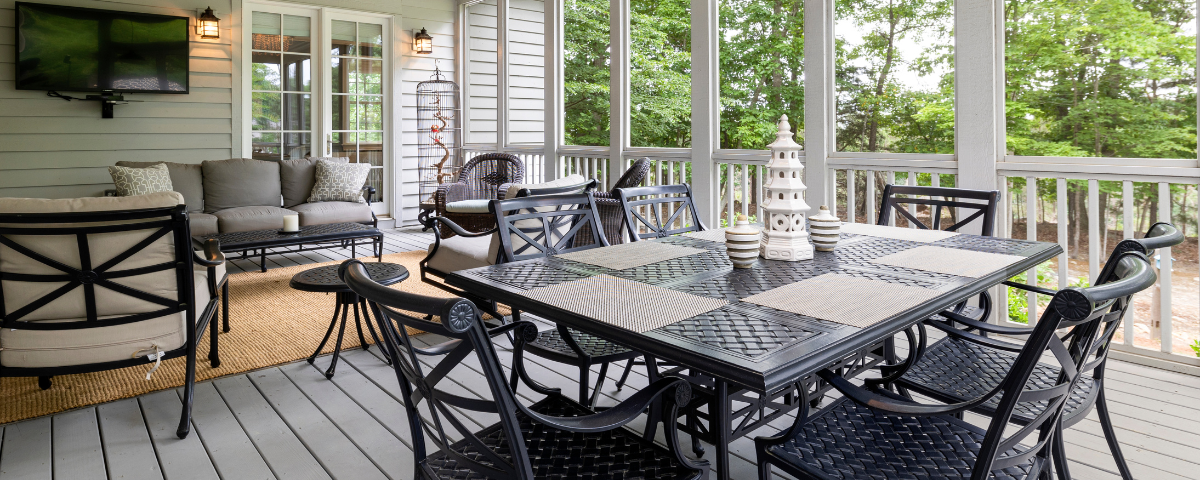
Decks are an excellent choice for homeowners looking to enhance their outdoor living experience. Traditionally constructed from wood, decks offer a natural warmth and aesthetic that is hard to match. Popular wood choices include redwood, cedar, and pressure-treated pine. Unlike patios, decks can be built at various elevations, making them a versatile option for uneven terrains.
- Materials and Design: Decks can be customized to fit any space and designed to complement your home’s style. They offer a range of colors and finishes.
- Comfort: Wood decks generally provide a warmer surface compared to concrete, making them more comfortable during hot weather.
- Maintenance: Regular maintenance is essential. Power washing, staining, and sealing can help extend the lifespan of your deck. Despite this, wood decks may require more upkeep and can have a shorter lifespan than other materials.
- Longevity: The life expectancy of a deck can vary depending on the type of wood and how well it’s maintained.
Patios: Durable and Low Maintenance
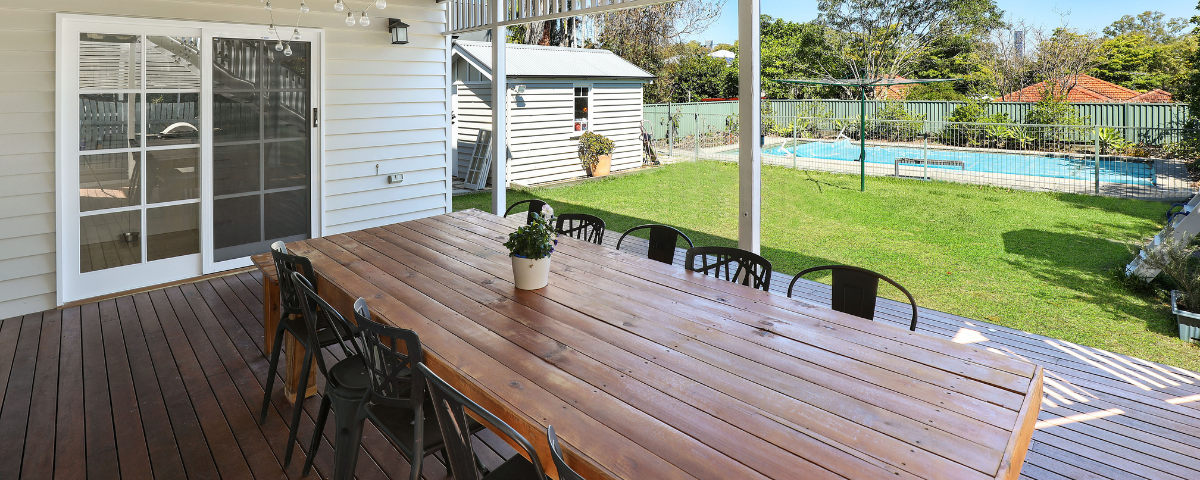
Patios offer a different set of benefits, making them a popular choice for many homeowners. Typically constructed from materials like concrete, brick, or stone, patios are known for their durability and low maintenance requirements. They are built directly on the ground and do not require railings or support structures.
- Materials and Build: Common patio materials include concrete slabs, bricks, and stones, which provide a sturdy and long-lasting surface.
- Maintenance: Patios are low maintenance and weather-resistant. Sealing the surface can protect it from environmental elements such as rain and UV rays.
- Durability: With proper care, a patio can last up to 20 years. However, in colder climates or areas with high moisture, the surface may become slippery, and cracks can develop.
- Installation: Patios require a more intensive construction process compared to decks. They often involve ground preparation and reinforcement, particularly in areas prone to ground movement.
Design Considerations for Decks and Patios
When deciding between a deck and a patio, considering your design preferences and the functionality you desire for your outdoor space is crucial.
- Deck Design Options: Decks can feature various design elements, including built-in seating, planters, and multi-level structures. This flexibility allows for a more personalized outdoor living area.
- Patio Design Options: Patios can be enhanced with features such as outdoor kitchens, fire pits, and custom landscaping. The integration of these elements can create a seamless flow between indoor and outdoor spaces.
Cost Comparison: Deck vs. Patio
Understanding the financial implications of installing a deck or patio is essential for budgeting your project.
- Deck Costs: The cost of a deck can vary widely based on materials and complexity. Wooden decks generally cost between $30 and $60 per square foot, while composite and other high-end materials can push the price higher.
- Patio Costs: Patios tend to have a more predictable cost range, with concrete patios averaging between $10 and $20 per square foot. Custom features and high-quality materials can increase the overall expense.
Environmental Impact
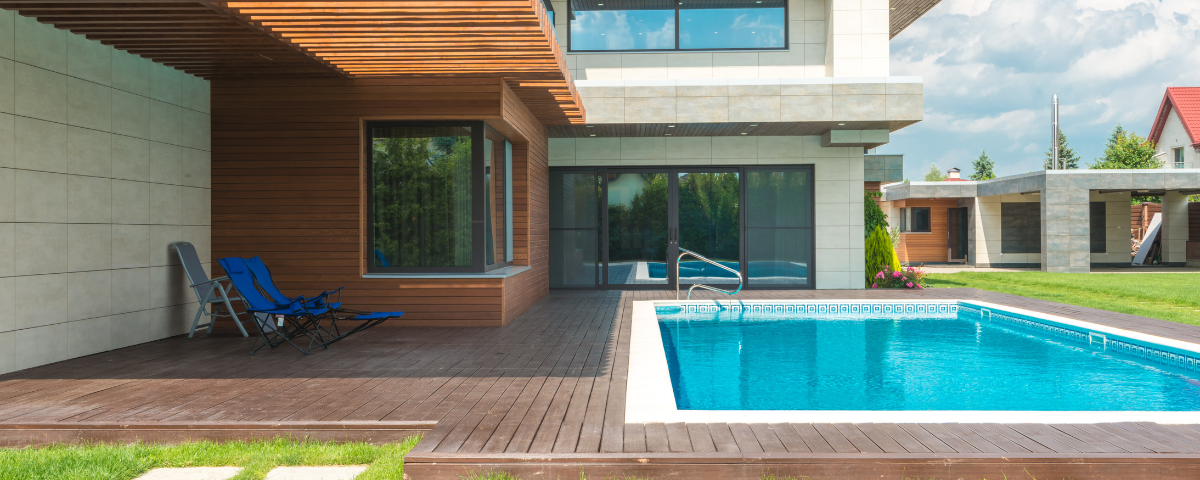
Considering the environmental impact of your outdoor living space is becoming increasingly important.
- Deck Environmental Considerations: Wood decks can have a higher environmental impact due to the need for sustainable sourcing and the use of chemicals in maintenance. Composite decks, while often made from recycled materials, still involve energy-intensive manufacturing processes.
- Patio Environmental Considerations: Patios, particularly those made from recycled or locally sourced materials, can have a lower environmental footprint. Concrete and stone are durable and can reduce the need for frequent replacements.
Maintenance Tips for Long-Lasting Outdoor Spaces
Maintaining your deck or patio is crucial to ensure it remains in top condition for years to come.
- Deck Maintenance Tips: Regularly inspect your deck for signs of wear, such as splintering or discoloration. Clean it with a power washer, apply stain or sealant as needed, and check for structural issues.
- Patio Maintenance Tips: Keep your patio clean by sweeping and removing debris. Use a sealant to protect against water damage and UV rays. Inspect for cracks and repair them promptly to prevent further damage.
Which One Adds More Value?
Both decks and patios can enhance your home's value, but the impact varies. Not only do these additions enhance your enjoyment of your outdoor space, but they can also make your home more appealing to potential buyers.
Whether you opt for a deck or a patio, investing in your outdoor space is a smart move. Each option offers unique benefits and can transform your backyard into a haven of relaxation and entertainment. For those considering selling their Austin home in the future, these outdoor enhancements can significantly contribute to your property’s overall value and appeal.
If you're contemplating adding a deck or patio to your Austin home, or if you're looking to buy or sell property in the area, click here to speak with a consultant. Our team of experts can help you navigate your real estate journey and ensure you make the most of your investment.
Posted by Ryan Rodenbeck on February 20th, 2020
Ryan Rodenbeck
Spyglass Realty FounderRyan Rodenbeck started Spyglass Realty in 2008 to be a solo practitioner and a top-producing agent. By 2015 he had placed in the ABJ Top 50 Realtors and the Platinum Top 50 Realtors. He decided to grow the company and teach what he learned as a top-producing agent to his growing team of agents.
Ryan was originally from Louisiana and relocated to Austin in 2001. In 2008, he founded Spyglass Realty as a platform for himself and a few other agents to operate independently. In 2015, he began developing ideas for transforming his "team" into a full-fledged brokerage and implemented systems and procedures to expand the team.


Featured Blog Posts

Manhattan vs. Austin: 2025 Real Estate, Cost of Living, and Lifestyle Comparison
Posted by Ryan Rodenbeck Read More
Austin Home Values: The Truth Behind Zillow Estimates
Posted by Ryan Rodenbeck Read More

Take The First Step to Your
Real Estate Journey
Contact us
Sign In

Create Account
Get a Consultation