
 Back
Back
The battle for the best smart speakers for homes is tough; with recent developments between Google Home vs. Amazon Echo, it might be a challenge in choosing which is better for your home. In this blog, we’ll lay out a comparison guide between Google Home and Amazon Echo, also known as Amazon Alexa, to help you figure out which is best for your home, needs, and budget!
Thanks to technology, artificial intelligence can now transform your home. Both smart speakers are booming in the market. Obviously, it does make it easier and convenient for consumers to have these gadgets at home. From news, weather, conversion, facts, controlling the lights and devices in your home, and more; everything is just a “Hey Google...” or “Alexa...” away with these devices. Let’s now start off with the comparison.
A Little About Amazon Echo
Amazon Echo is a brand of smart speakers developed by Amazon. It was first introduced in late 2014 as a standalone Bluetooth speaker with a microphone and WiFi connection to the Amazon cloud.
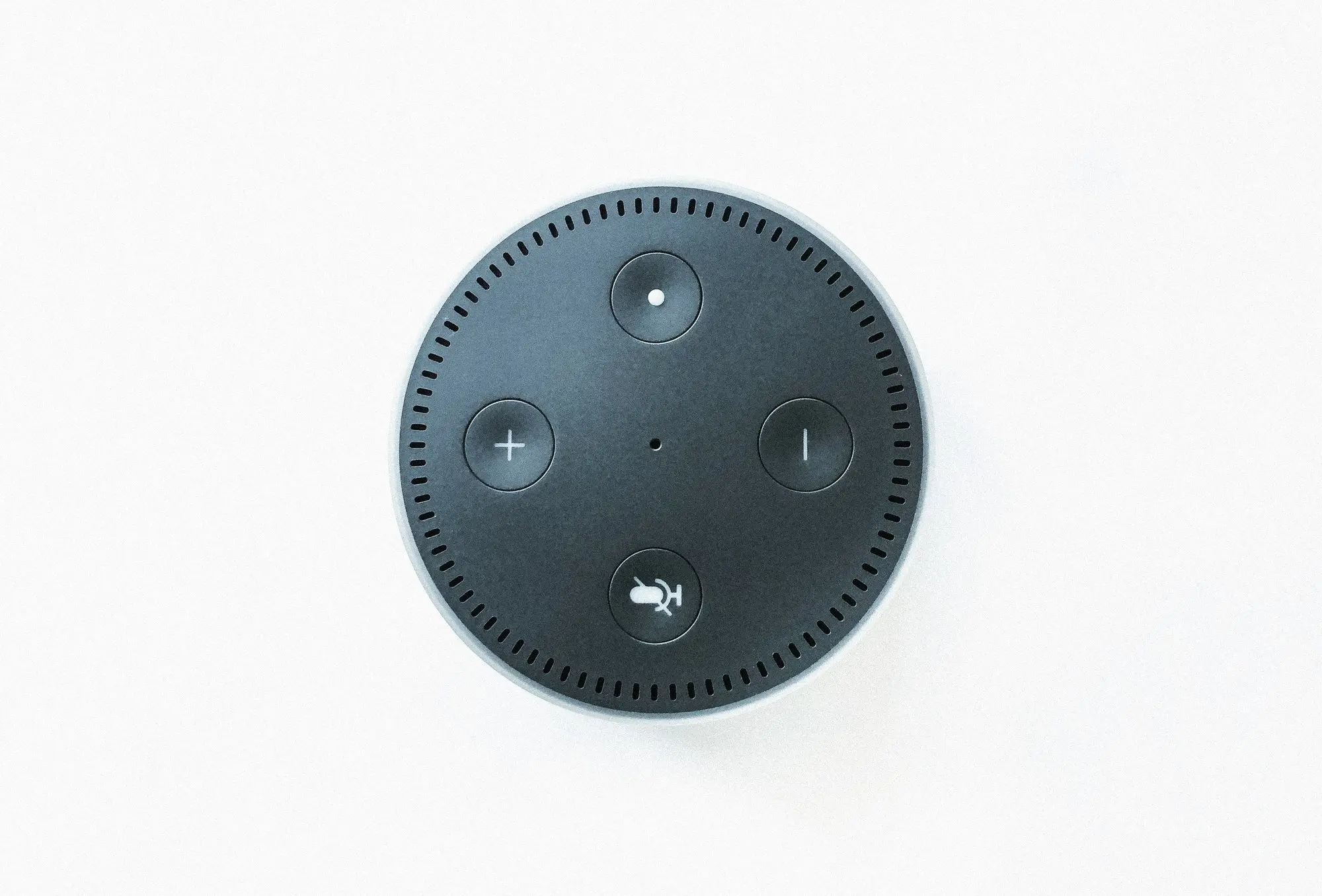
Alexa
Echo wakes up by saying “Alexa”--the virtual assistant. You can either change its name to Amazon, or Echo if you like. When the Echo hears the word, a blue ring top will light up which means Alexa is listening for your command or question.
Alexa can be put to use in many ways from kitchen topics, news, weather, and facts. It can also play music of your favorite songs, albums, playlists, and artists from Apple Music, Spotify, or Amazon Music. Alexa can quickly set you up an alarm and timer, and call and read messages from your phone if you wish to.
One of the best controls Alexa can help you out with is Smart home control. Alexa can work with hundreds and thousands of devices such as Wi-Fi enabled appliances, home security systems, smart lights, thermostats, and more. It’ll make home living so much easier with just an “Alex, dim the lights in the living room,” or “Alexa, play the Final Table from Netflix.”
Types of Amazon Echo Devices
When Echo became a hit to consumers, Amazon began releasing more versions of Amazon Echo. Here is a list of the Amazon Echo devices and specs:
Amazon Echo
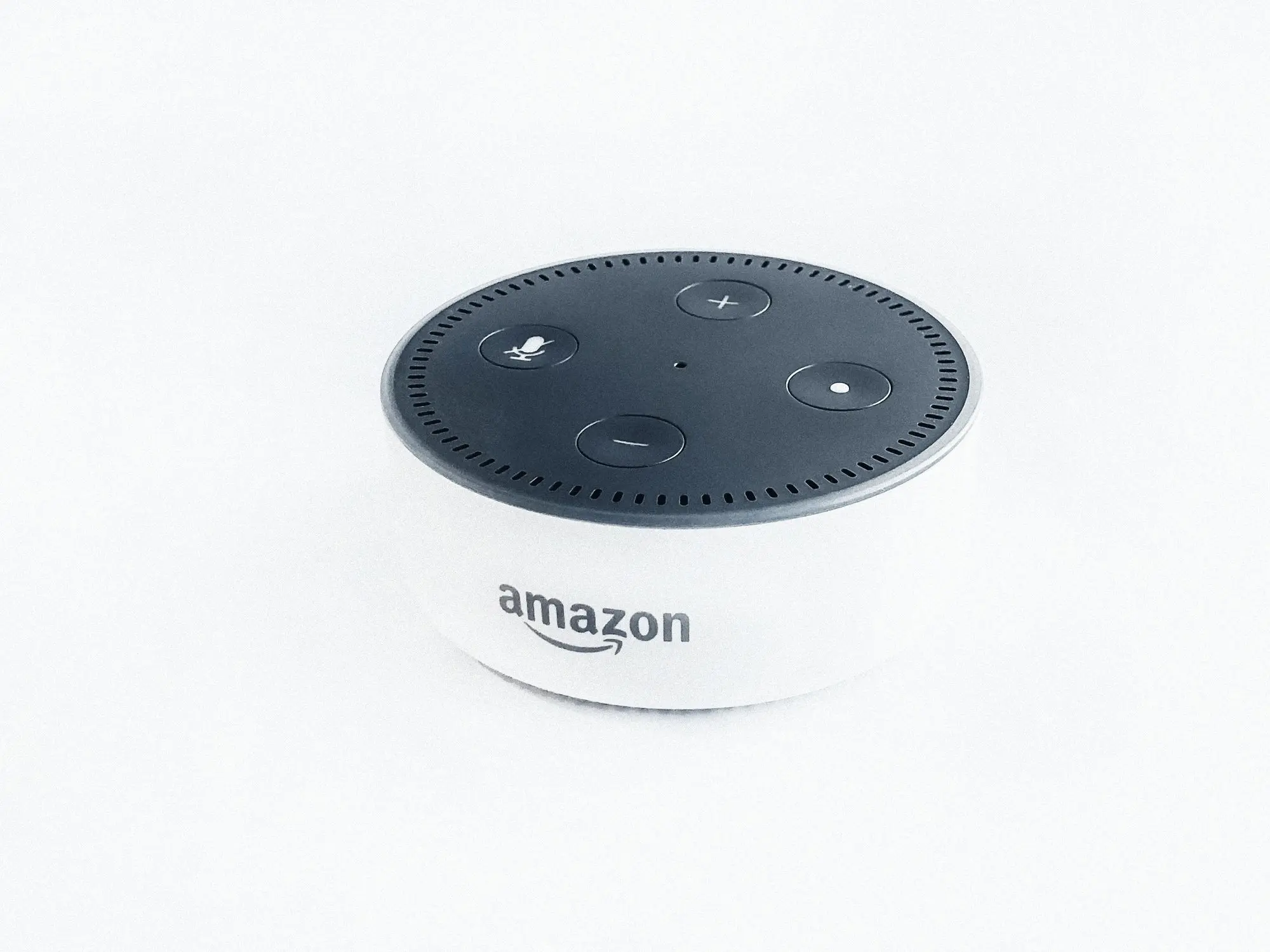
Size: 5.9” x 3.5” x 3.5”
Sound: 2.5” woofer and 0.6” tweeter
Bluetooth: Full support for streaming audio from a device to the Echo and voice control of mobile devices.
WiFi: Dual-band WiFi supports 802.11a/b/g/n (2.4 and 5GHz networks)
Power: Standard outlet
Amazon Echo Plus
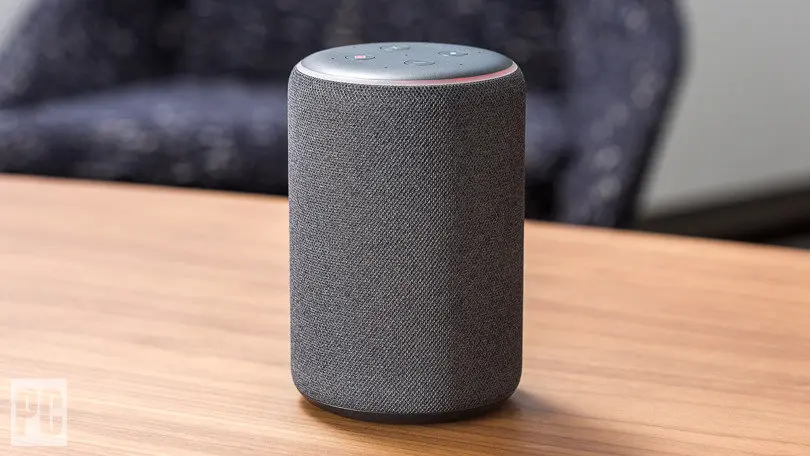
Photo by PCMag.com
Size: 9.3” x 3.3” x 3.3”
Sound: 2.5” woofer and 0.8” tweeter
Bluetooth: Full support for streaming audio from a device to the Echo and voice control of mobile devices.
WiFi: Dual-band WiFi supports 802.11a/b/g/n (2.4 and 5GHz networks)
Power: Standard outlet
Amazon Echo Dot
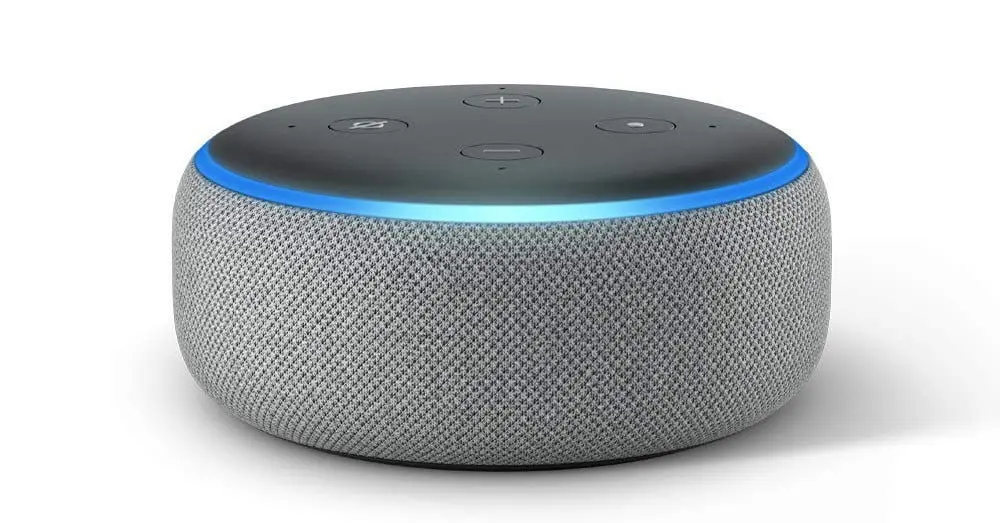
Photo by Amazon.com
Size: 1.3” x 3.3” x 3.3”
Sound: Single 0.6” speaker, 3.5 mm stereo jack for connection to external speaker
Bluetooth: Full support for streaming audio from a device to the Echo and voice control of mobile devices.
WiFi: 802.11a/b/g/n support, no ad-hoc/p2p network support
Power: Standard outlet
Amazon Echo Show
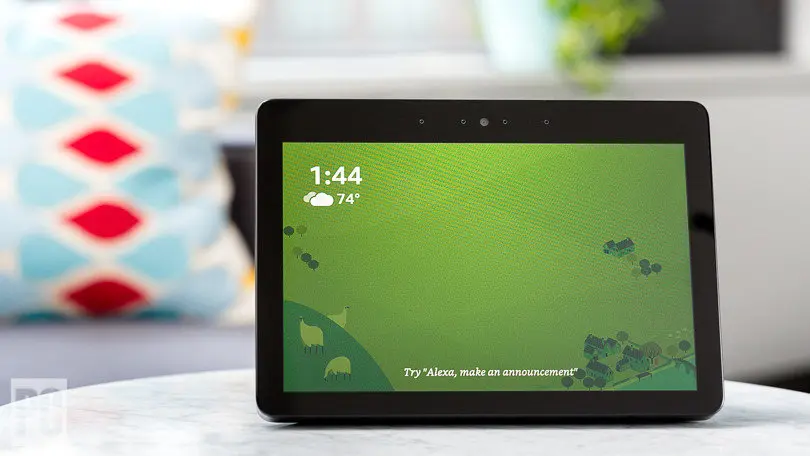
Photo by PCMag.com
Size: 7.4” x 7.4” x 3.5”
Screen size: 7”
Sound: Dual 2” speakers
Camera: 5MP front-facing camera for video calls
Bluetooth: Full support for streaming audio from a device to the Echo and voice control of mobile devices.
WiFi: Dual-band WiFi supports 802.11a/b/g/n (2.4 and 5GHz networks)
Power: Standard outlet
A Little About Google Home
The Google Home smart speaker was released in the US on November 4, 2016, designed to compete with Amazon Echo. It can do functions that are similar to the Echo, but it’s primarily designed as a vehicle for Google Assistant.
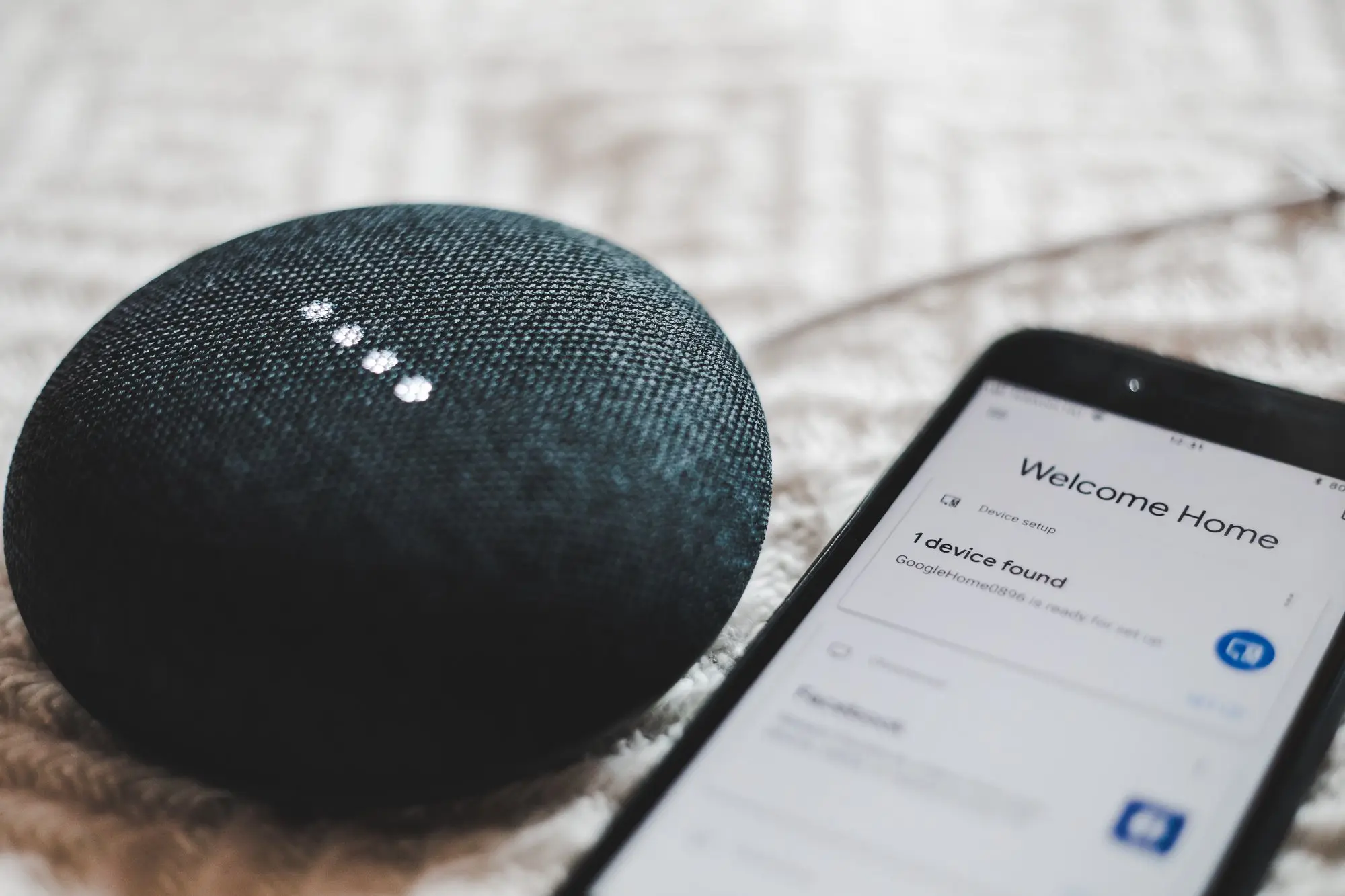
Google Assistant
This is the counterpart for Alexa. This is Google’s virtual helper that responds to your questions and commands. Does Google Home listen to you all the time? Sort of. But it does not record what you are saying until you speak its wake works of “OK, Google” or “Hey, Google…”
Google Assistant offers voice commands, searching, and activated device controls. Once allowed, Google Assistant can provide you online information, control your music, Chromecast, run timers and reminders, read your notifications to you, and control your smart home.
In the future, Google Assistant will soon be able to call and book appointments for you.
Types of Google Home Devices
Google Home has become a lot much better as a personal assistant since it was launched in 2016. Google Home devices are available in a range of sizes too. Here are the types of devices with their specs:
1. Google Home
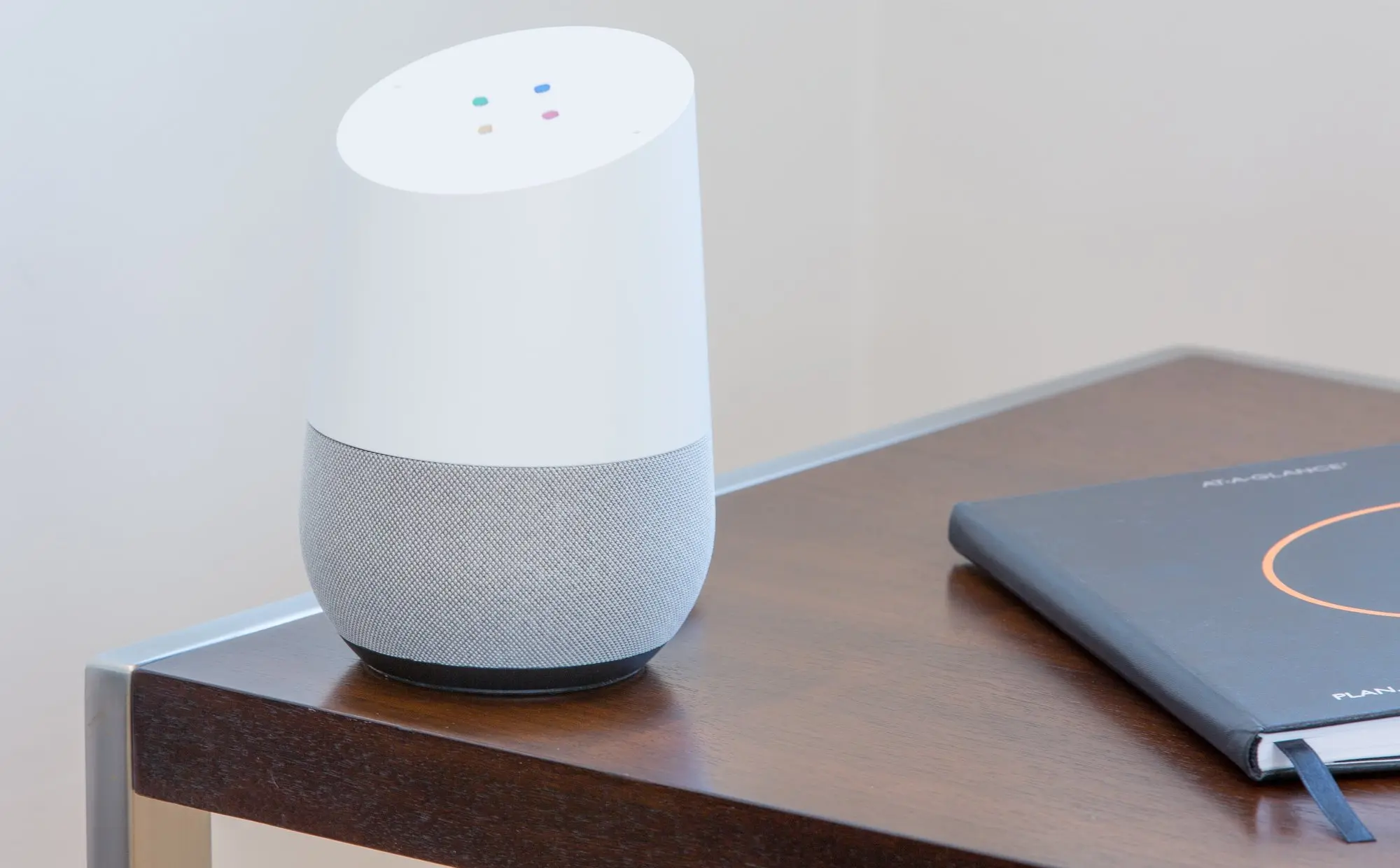
fPhoto by Thomas Kolnowski on Unsplash
Size: 142.8 x 96.4mm, 477g
WiFi: 802.11b/g/n/ac (2.4-5GHz)
Sound: 2 inch speaker drive, dual 2-inch passive radiators, dual microphone with far-field voice recognition.
2. Google Home Mini
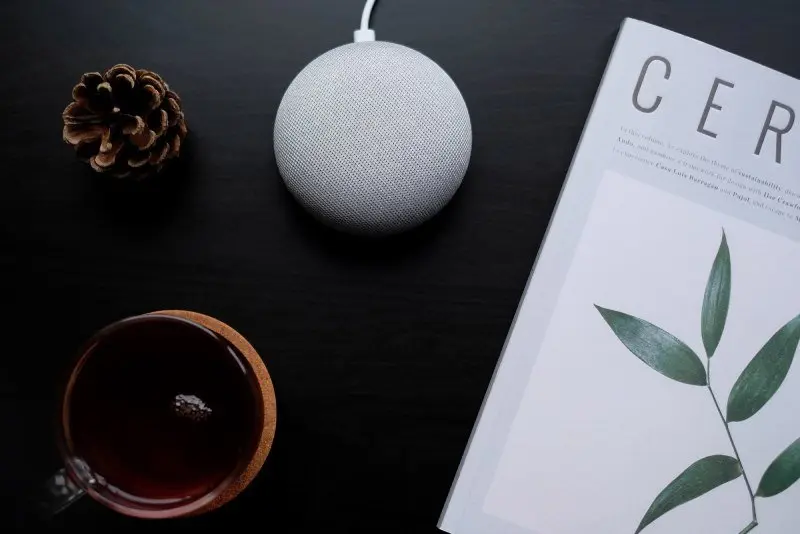
Size: 42 x 98mm, 173g
Connectivity: 802.11b/g/n/ac (2.4-5GHz), Bluetooth, Chromecast and Chromecast Audio
Sound: 40mm speaker driver
3. Google Home Max
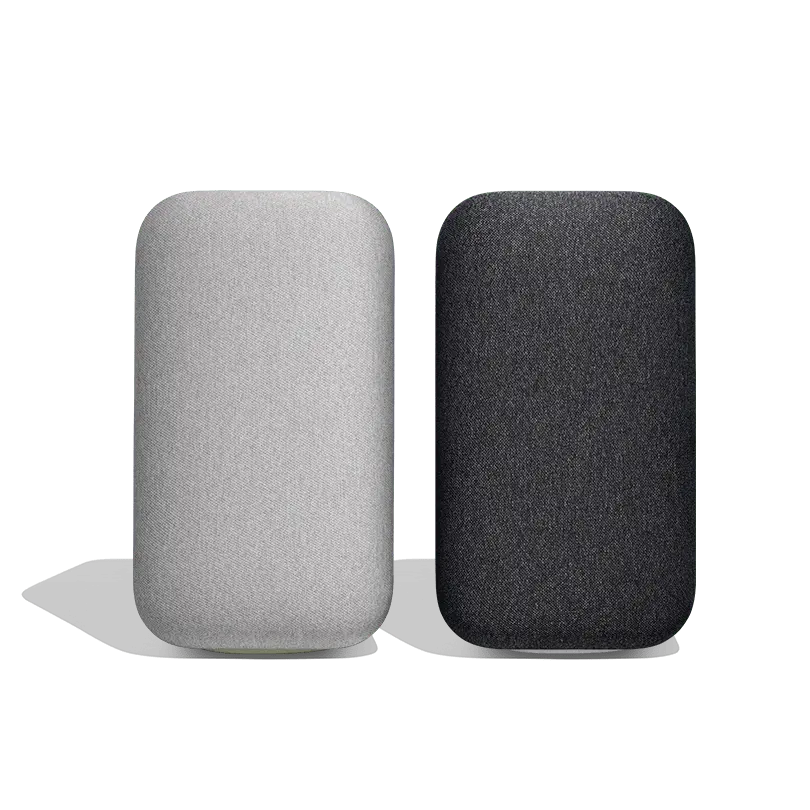
Image from Google Store
Size: 336.6 x 190 x 154.4mm, 5.3kg
Connectivity: Wi-Fi 802.11b/g/n/ac (2.4GHz/5Ghz), Bluetooth 4.2, Chromecast and Chromecast Audio, USB-C, 3.5mm auxiliary
Sound: 2 x 4.5-inch dual voice coil woofers, 2 x 0.7-inch tweeters, six microphones with far-field voice recognition
Processor: 1.5GHz Quad-core ARM
5. Google Nest Hub
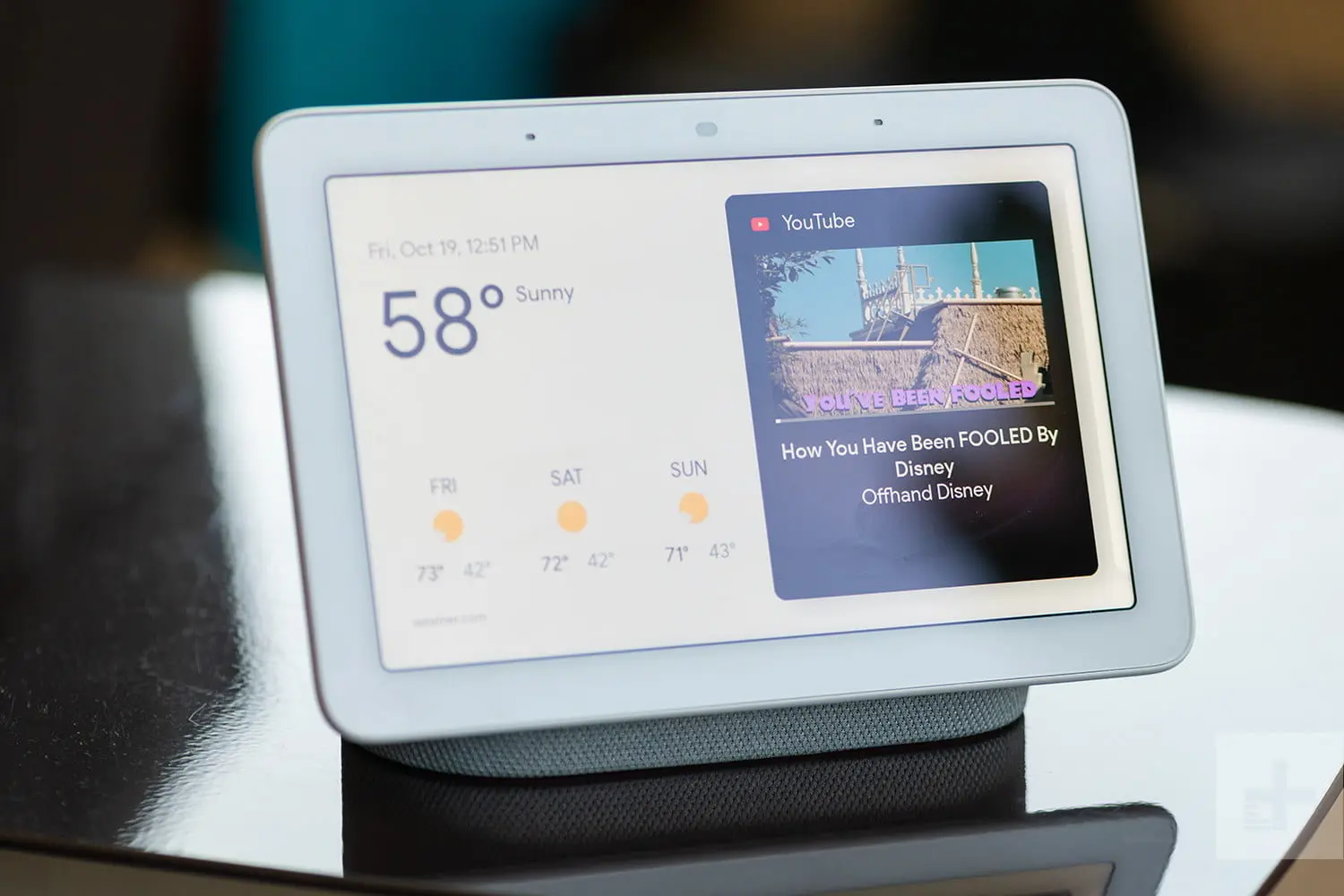
Size: 178 x 118 x 67.3mm, 480g
Connectivity: Wi-Fi 802.11b/g/n/ac (2.4GHz/5Ghz), Bluetooth 5.0, Chromecast and Chromecast Audio, 15 W adapter, DC power jack
Sound: Full range speaker, two microphones with far-field voice recognition
Screen: 7 inch display
Processor: 1.5GHz Quad-core ARM
Now, both devices might come in as a tie with all their great features. We hope that this blog has helped you choose which is best for you. Which between the two do you prefer? Google Home or Amazon Echo?
Posted by Ryan Rodenbeck on August 7th, 2019Tags

Ryan Rodenbeck
Spyglass Realty FounderRyan Rodenbeck started Spyglass Realty in 2008 to be a solo practitioner and a top-producing agent. By 2015 he had placed in the ABJ Top 50 Realtors and the Platinum Top 50 Realtors. He decided to grow the company and teach what he learned as a top-producing agent to his growing team of agents.
Ryan was originally from Louisiana and relocated to Austin in 2001. In 2008, he founded Spyglass Realty as a platform for himself and a few other agents to operate independently. In 2015, he began developing ideas for transforming his "team" into a full-fledged brokerage and implemented systems and procedures to expand the team.


Featured Blog Posts

Manhattan vs. Austin: 2025 Real Estate, Cost of Living, and Lifestyle Comparison
Posted by Ryan Rodenbeck Read More
Austin Home Values: The Truth Behind Zillow Estimates
Posted by Ryan Rodenbeck Read More

Take The First Step to Your
Real Estate Journey
Contact us
Sign In

Create Account
Get a Consultation