
 Back
Back
Sustainability is reshaping how homes are built, bought, and lived in-and Austin is leading that shift. What was once limited to solar panels has expanded into a wide range of features: energy-efficient systems, smart technology, water-saving tools, and sustainable materials that reduce a home's long-term impact. In Austin, these elements are becoming standard rather than exceptional, with more homeowners exploring eco-friendly home upgrades as part of both new builds and renovations.
This guide breaks down what green real estate really means and why it matters. You'll learn:
- What defines a green home and how it's different from traditional construction
- Why demand for sustainable housing is rising in Austin
- How green features can lower monthly costs and boost resale value
- What to look for when buying a green home-including certifications and smart features
- Key challenges buyers and sellers face, and where the market is heading next
Whether you're searching for a more efficient home or exploring investment opportunities, understanding green real estate is essential to navigating Austin's evolving housing market. This isn't just a trend, it's the direction the market is moving.
TABLE OF CONTENTSWhat is Green Real Estate?
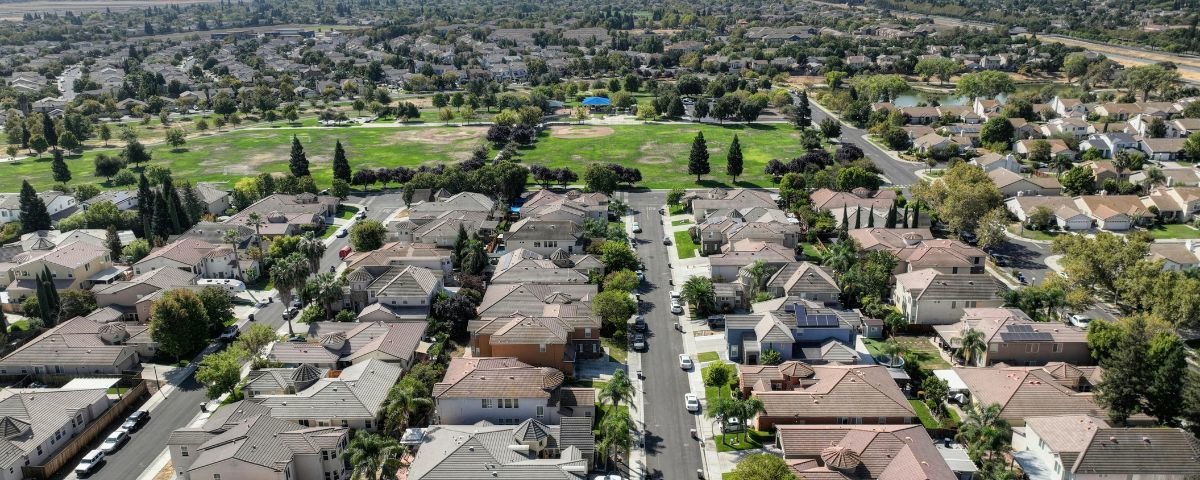
Green real estate refers to homes built or upgraded with sustainability in mind. These properties are designed to reduce environmental impact while improving energy efficiency, air quality, and long-term livability.
A Broader Definition of Sustainability
Sustainable homes go beyond solar panels. True green real estate takes a full-systems approach-prioritizing durability, healthier materials, energy conservation, and thoughtful design. It's about reducing the footprint of a home from construction through daily use.
Austin is a leader in this space, with many builders embracing sustainable building trends such as net-zero readiness, local materials, and smart layouts that work with the climate.
Key Features of Green Homes
Sustainable homes may include a mix of these common features:
- Energy-Efficient Systems: Homes with high-efficiency HVAC, water heaters, and appliances use less energy and lower monthly bills.
- Water Conservation Tools: Low-flow fixtures, dual-flush toilets, and rainwater harvesting systems help reduce waste in a drought-prone climate.
- Sustainable Materials: Builders often use recycled wood, reclaimed steel, or rapidly renewable materials to minimize environmental impact.
- Improved Indoor Air Quality: Low-VOC paints, formaldehyde-free cabinetry, and balanced ventilation systems support a healthier living environment.
- Renewable Energy Systems: Solar panels and battery storage are common upgrades in both new builds and retrofits across Austin.
- Smart Home Integration: Thermostats, lighting, and irrigation systems can be automated to reduce unnecessary usage while maintaining comfort.
Green Upgrades in Older Homes
Sustainability isn't limited to new construction. Many homeowners in Austin are retrofitting older homes with updated insulation, energy-efficient windows, smart thermostats, and greywater systems. These upgrades can bring older homes up to modern green standards-often increasing both comfort and property value.
Whether you're considering a new build or looking to upgrade an existing property, understanding the foundations of green real estate helps you make decisions that align with long-term sustainability goals.
The Growing Demand for Sustainable Homes
The demand for sustainable homes is surging. According to the National Association of Realtors, 62% of agents report working with properties that feature green upgrades. In Austin, the city's push toward net-zero greenhouse gas emissions by 2040, outlined in the Austin Climate Equity Plan, is helping drive that momentum.
This shift isn't just about environmental awareness. Buyers are increasingly seeking homes with lower operating costs, healthier indoor air, and long-term livability. Developers are responding with more solar-ready builds and energy-efficient communities, while existing homeowners are making upgrades to improve performance and appeal.
For sellers, green features are quickly becoming expected. For investors, they open access to a broader, more future-minded market. As Austin continues to grow, sustainable housing is moving from niche to norm.
Benefits of Investing in Green Real Estate
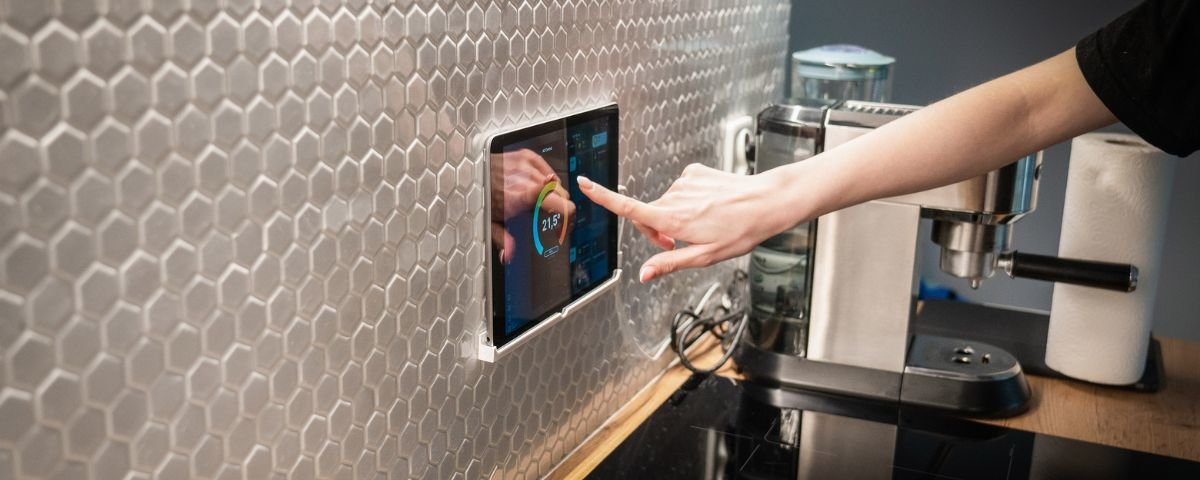
Green real estate offers tangible advantages for homeowners and investors alike:
Lower Operating Costs
Energy-efficient homes significantly reduce utility bills. Clients have saved hundreds of dollars monthly after upgrading to high-efficiency HVAC systems and insulation.
Higher Resale Value
Green homes often sell for more. A University of Texas at Austin study found that homes with green features sold for 8% more on average.
Healthier Living Environments
Improved ventilation and low-VOC materials improve indoor air quality. This is crucial for families with allergies or respiratory issues.
Environmental Impact
Many buyers appreciate reducing their carbon footprint. It's about saving money and contributing to a more sustainable future, plus even incorporates things like green design and future green concepts.
Investing in green real estate doesn’t just benefit your wallet; it’s a choice that supports a healthier, more sustainable community. Whether you're a buyer or an investor, these advantages make green properties a compelling option.
Common Green Features in Austin Homes
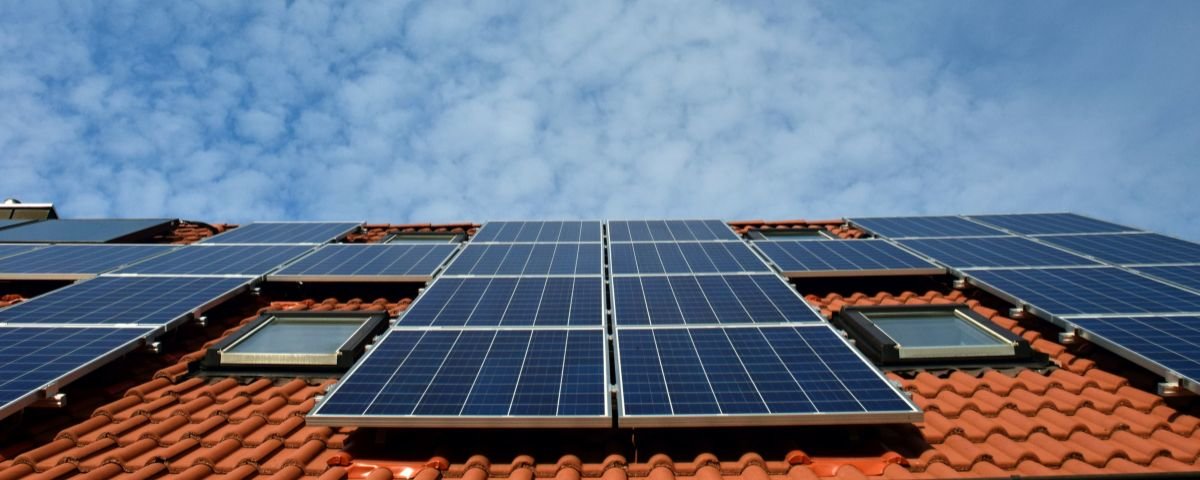
Austin’s green real estate market is thriving, with properties boasting innovative eco-friendly features like:
Solar Panels
Solar is a no-brainer in Austin. New developments often include solar as a standard feature, and it is also added to existing homes to make it a green real estate .
Smart Thermostats
Products like Nest and ecobee are very popular. They learn habits and optimize heating and cooling to save energy while keeping comfort.
Rainwater Collection Systems
Water conservation is important, given periodic droughts. Rainwater harvesting systems reduce water bills and help maintain landscaping.
Native Landscaping
Drought-resistant, native plants are now the norm. They need less water and maintenance while supporting local ecosystems and contribute to the overall green real estate.
High-Efficiency Windows
Good windows make a big difference in a hot climate. Low-E, double-pane windows can significantly reduce cooling costs.
By incorporating these features, homeowners can align with Austin’s sustainability goals and enjoy long-term savings.
The Role of Certifications in Green Real Estate
Certifications provide buyers with confidence in a home’s sustainability. Here are the most common certifications in Austin:
| Certification | Focus | Typical Features |
|---|---|---|
| LEED | Comprehensive sustainability | Energy efficiency, water conservation, indoor air quality |
| ENERGY STAR | Energy efficiency | Efficient HVAC, appliances, insulation |
| AEGB | Austin-specific sustainability | Native landscaping, solar readiness, local materials |
These certifications not only add value to a property but also guide buyers in identifying truly sustainable homes.
Understanding certifications ensures that your investment is truly green and meets industry standards for sustainability.
Overcoming Challenges in Green Real Estate
While green real estate offers clear benefits like lower utility bills, better air quality, and long-term value, it also presents a few hurdles. Buyers, sellers, and even appraisers are still adapting to what sustainability means in today's housing market. The good news is that most of these challenges can be managed with the right planning and guidance. Here's what to keep in mind.
Higher Initial Costs
Upfront investments in sustainable features such as solar panels, upgraded insulation, and energy-efficient HVAC systems can increase purchase or renovation costs. These additions pay off over time, but they may still feel out of reach for some buyers. Energy-efficient mortgages, federal tax credits, and local rebates are available to reduce early financial strain.
Lack of Awareness
Many buyers are unsure what green features actually do or how they benefit daily living. There's a perception that sustainable homes are more expensive or difficult to maintain. Education plays a key role. Buyers who understand the savings, health benefits, and long-term value of green upgrades are more likely to see them as worthwhile.
Retrofitting Older Homes
Older homes weren't built with sustainability in mind, and upgrading them can involve major work like adding insulation, replacing windows, or reconfiguring HVAC systems. These retrofits often offer a strong return on investment and allow homeowners to combine original character with modern efficiency.
Limited Inventory of Green Homes
While demand is rising, Austin's supply of fully sustainable homes remains limited. Buyers may struggle to find properties that meet current efficiency standards, especially in older neighborhoods. In these cases, it helps to consider homes that include key features or have potential for upgrades.
Appraisal and Valuation Challenges
Green features aren't always reflected in property appraisals, which can affect financing or pricing strategies. Solar panels, high-efficiency windows, and smart systems often lower costs for owners but don't always translate to higher appraised values. Working with agents and lenders familiar with sustainable real estate helps ensure those features are properly considered.
The Future of Green Real Estate in Austin
Austin's commitment to sustainability ensures that green real estate will remain a priority. Several key trends are shaping the direction of the housing market, offering insight into what buyers, sellers, and investors can expect.
Net-Zero Homes
Homes designed to produce as much energy as they consume are gaining traction. Net-zero construction supports Austin's long-term environmental goals and is becoming more accessible as renewable energy systems and high-efficiency materials improve.
Smart Home Integration
Technology is playing a larger role in sustainability. AI-powered systems, adaptive thermostats, smart lighting, and real-time energy monitoring are helping homeowners reduce waste while maintaining comfort and convenience.
Community-Scale Sustainability
New developments are thinking beyond individual lots. Features like community solar programs, green spaces, walkable layouts, and shared resources are shaping neighborhoods that prioritize sustainability at scale.
Green Renovations
Retrofitting older homes with energy-efficient upgrades is becoming more common across Austin. These renovations-whether through insulation, solar installations, or high-efficiency systems-are helping bring existing properties in line with modern green standards.
Austin's housing future is unmistakably green. Understanding where the market is headed can help you make smarter, long-term real estate decisions.
Tips for Buying Green Real Estate in Austin
If you’re considering a green home in Austin, keep these tips in mind:
-
Research green certifications and features.
-
Focus on long-term savings rather than upfront costs.
-
Look for solar-ready homes and south-facing roofs.
-
Ask for energy bill records to gauge efficiency.
-
Consider an energy audit during the home inspection process.
By following these tips, you can make an informed decision and find a home that aligns with your sustainability goals.
The Role of Realtors in Promoting Green Living
Realtors play a key role in supporting sustainable housing choices. As advisors and advocates, they help buyers and sellers understand how green features translate to long-term savings, improved comfort, and market value.
From pointing out solar potential and insulation quality to explaining certification labels and energy reports, a knowledgeable agent helps bridge the gap between eco-friendly upgrades and buyer confidence.
In a fast-moving market like Austin, having a realtor who understands green real estate trends can make the difference between missing out or finding the right fit. Whether you're buying, selling, or investing, the right guidance makes sustainable living a more accessible reality.
Take the Next Step Toward a Greener Home in Austin
Sustainable housing is no longer a niche-it's becoming the new standard in Austin. Whether you're planning your first purchase or exploring investment opportunities, now is the time to align your goals with a greener future.
If you're ready to find a home that combines efficiency, comfort, and long-term value, talk to a local expert who understands Austin's green real estate market. Call 737-727-4889 or contact us today to get started.
Frequently Asked Questions About Green Real Estate in Austin
What qualifies a home as "green" in Austin?
A green home typically includes energy-efficient systems, water-saving features, sustainable building materials, and improved indoor air quality. Certifications like LEED, ENERGY STAR, or AEGB help confirm a property's environmental performance.
Are green homes more expensive to buy?
Green homes may have higher upfront costs due to solar panels, insulation upgrades, or efficient appliances. However, they often lead to lower monthly utility bills and may offer tax credits or rebates, helping offset those initial expenses.
How can I tell if a home is energy-efficient before I buy?
Look for green certifications, ask for utility bill records, and consider scheduling a professional energy audit during the inspection. Features like smart thermostats, high-efficiency windows, and updated HVAC systems are also key indicators.
Is it worth retrofitting an older home to be more sustainable?
Yes. Retrofitting can improve comfort, lower energy costs, and increase a home's resale value. Common upgrades include adding insulation, replacing windows, installing solar panels, and switching to low-VOC materials.
What are the most common green features in Austin homes?
Many homes in Austin include solar panels, smart thermostats, rainwater collection systems, native landscaping, and high-efficiency HVAC or window systems. These features align with the city's net-zero goals and appeal to sustainability-focused buyers.
// Posted by Ryan Rodenbeck on March 27th, 2025
Ryan Rodenbeck
Spyglass Realty FounderRyan Rodenbeck started Spyglass Realty in 2008 to be a solo practitioner and a top-producing agent. By 2015 he had placed in the ABJ Top 50 Realtors and the Platinum Top 50 Realtors. He decided to grow the company and teach what he learned as a top-producing agent to his growing team of agents.
Ryan was originally from Louisiana and relocated to Austin in 2001. In 2008, he founded Spyglass Realty as a platform for himself and a few other agents to operate independently. In 2015, he began developing ideas for transforming his "team" into a full-fledged brokerage and implemented systems and procedures to expand the team.


Featured Blog Posts

Manhattan vs. Austin: 2025 Real Estate, Cost of Living, and Lifestyle Comparison
Posted by Ryan Rodenbeck Read More
Austin Home Values: The Truth Behind Zillow Estimates
Posted by Ryan Rodenbeck Read More

Take The First Step to Your
Real Estate Journey
Contact us
Sign In

Create Account
Get a Consultation