
 Back
Back
The idea of moving from Chicago to Austin can be exhilarating. Visions of sunny skies, thriving tech hubs, and a vibrant music scene fill your head. But let’s get real: moving from to Austin from Chicago isn’t just about packing boxes and making travel arrangements. This is a big life change, requiring a deep understanding of how different these two cities are.
This blog is your reality check, covering everything from the cost of living to the lifestyle and expectations in popular neighborhoods. It’s all about preparing for the realities of relocating because while the grass may be greener on the other side, there’s a lot to think about before planting your roots.
Key Insights for Moving from Chicago to Austin
- Cost & Housing: Moving from Chicago to Austin brings a shift in expenses, with Austin being around 18% more expensive, primarily due to higher housing costs, although the absence of Texas' personal income tax can offset this for high earners.
- Lifestyle & Culture: Austin offers a laid-back, outdoor-oriented lifestyle, with live music, festivals, and quirky vibes replacing Chicago's dense urban atmosphere, jazz, and iconic architecture.
- Job Market & Climate: Austin’s thriving tech sector contrasts with Chicago's diverse job market, while the climate swap involves trading icy winters for scorching summers, requiring a significant lifestyle adjustment.
Cost of Living: Windy City Versus Live Music Capital

Moving from Chicago to Austin means your budget is about to face a shake-up. Austin is roughly 18% more expensive than Chicago, and this jump primarily stems from significantly higher housing expenses.
Housing Costs:
- Median Home Value in Austin: $527,000
- Median Home Value in Chicago: $299,000
- Austin’s booming real estate market drives its higher housing costs, fueled by rapid population growth and demand in the tech-driven economy. For renters:
- Average Monthly Rent in Austin (1-bedroom): $1,800
- Average Monthly Rent in Chicago (1-bedroom): $1,500
Taxes:
One major financial upside in Austin is Texas' lack of personal income tax.
- Texas State Income Tax: 0%
- Illinois State Income Tax: Flat 4.95%
- This can offset some of the higher housing costs, particularly for high earners, who will retain a larger portion of their income in Texas.
Other Living Expenses:
While housing is a major factor, other daily expenses such as transportation, utilities, and groceries are comparable between the two cities. For example:
- Transportation Costs: Public transit is more robust and affordable in Chicago, but the car-dependent lifestyle in Austin may increase your gas and insurance costs.
- Utilities: Slightly higher in Austin due to increased reliance on air conditioning during scorching summers.
- Groceries: Fairly comparable, with minor variations depending on local preferences.
If you’re used to Midwestern prices, Austin’s day-to-day costs won’t feel like a significant shock. The biggest adjustment will be the steep housing market in Austin, balanced in part by the tax advantages. For higher earners, these benefits may close the gap, making Austin’s vibrant lifestyle a worthwhile trade-off.
Transportation

One of the starkest contrasts between Chicago and Austin lies in transportation. Public transportation reigns supreme in Chicago, where the city's iconic L-train and extensive bus routes offer easy access to most parts of the city. Austin, on the other hand, is a more car-dependent city.
While it does have public transit in the form of CapMetro—a bus and rail system that connects key areas—it's less expansive than what you might be used to in Chicago.
- Austin Public Transport: CapMetro is Austin’s primary bus and rail service.
- Ride-Sharing: Uber and Lyft are widely available.
- Biking: Becoming increasingly popular with expanded bike lanes, but not a primary mode of commuting.
Expect to rely heavily on a personal vehicle to get around in Austin. About 83% of Austinites use their own cars for transportation, as the public transport system is more limited. Plus, with rapid growth, traffic congestion is becoming a more common part of daily life in Austin. If you're planning to live and work in the city, purchasing a car may be a necessity.
Job Market Showdown

Austin is often referred to as the Silicon Hills, thanks to its burgeoning tech scene. The city has become a magnet for tech professionals, startups, and big names like Dell, Google, Apple, and Facebook, all of which have significant operations here. Chicago, on the other hand, boasts a more diversified job market, with finance, education, healthcare, and advanced manufacturing playing big roles.
- Tech Companies in Austin: Dell, AMD, Facebook, Google, Intel
- Startup Scene: Known for fostering new companies such as Spiceworks and RetailMeNot
- Chicago’s Strengths: Home to industries such as finance, education, healthcare, and manufacturing
For professionals in the tech industry, Austin offers significant opportunities. The city has a thriving startup culture, a high demand for tech workers, and a relatively low unemployment rate compared to national averages.
While Chicago’s market is broader, Austin’s economic growth has been rapid, attracting entrepreneurs and established professionals alike. If you’re in the tech sector or considering a career in tech, Austin is the place to be.
Even beyond tech, the growing population in Austin means that there are increasing opportunities in other sectors such as real estate, education, and healthcare. Be ready to explore new career paths if you’re making the move.
Why Austin?
- Unmatched Job Growth: Austin’s 3.5% annual job growth rate far surpasses Chicago’s 1.2%, making it one of the fastest-growing job markets in the country.
- High Demand for Tech Talent: With over 8,000 tech job postings monthly, Austin continues to attract top-tier talent.
- Competitive Salaries: Austin’s median tech salary of $115,000 outpaces Chicago’s $105,000, with additional perks like no state income tax.
- Entrepreneurial Spirit: Austin’s startup culture provides opportunities for professionals to innovate and lead in their industries.
Weather: Austin vs Chicago

Comparing Chicago’s chilly winters to Austin’s scorching summers gives you a clear sense of the trade-offs you’ll face:
Austin Summers
Expect long, hot, and dry summers, with temperatures frequently surpassing 100°F in July and August. The heat can be intense, especially for newcomers, and air conditioning becomes an essential part of daily life. Outdoor activities are often limited to mornings or evenings when temperatures are cooler.
However, the dry heat in Austin is generally more tolerable than humid climates, and the city offers plenty of ways to cool off, from Barton Springs Pool to shaded parks and indoor attractions.
Chicago Winters
Winters in Chicago are notoriously harsh, with sub-zero temperatures, heavy snowfalls, and icy winds sweeping off Lake Michigan. Snowstorms can disrupt commutes, and the combination of ice and wind chill often makes outdoor activities challenging. Heating costs can climb significantly during the winter months.
For those who enjoy winter activities, Chicago does offer ice skating, sledding, and festive holiday events that embrace the snowy season.
In Austin, you’ll trade snow shovels for sunscreen and heavy coats for shorts, but adjusting to the relentless summer heat can take time. Meanwhile, Chicago’s winters demand preparation and resilience but also offer a unique charm for those who love the changing seasons.
If you’re someone who despises the cold, Austin’s warm climate is a welcome change. Its milder winters mean you’ll rarely need more than a light jacket. On the other hand, if you love snow, winter activities, or cooler weather, Chicago’s crisp winters may feel like home, while Austin’s summer heat might require an adjustment.
Cultural Differences

Culture shock is inevitable when moving from Chicago to Austin, as these two cities have distinct personalities and lifestyles. While Chicago offers the sophistication of a bustling metropolis, Austin’s charm lies in its quirky, laid-back vibe.
Chicago’s Cultural Strengths:
The Windy City boasts a rich history of jazz, theater, and art. From the iconic Chicago Symphony Orchestra and the renowned Art Institute of Chicago to historic theaters like the Goodman and Steppenwolf, Chicago offers world-class cultural experiences.
Food lovers will miss the deep-dish pizza, Chicago-style hot dogs, and Michelin-starred dining that define the city’s culinary scene.
Austin’s Vibrant Scene:
Known as the “Live Music Capital of the World,” Austin’s music culture is unparalleled. Festivals like SXSW and Austin City Limits draw crowds from across the globe, and you can find live performances in nearly every corner of the city. Food trucks, breakfast tacos, and craft breweries give Austin a unique culinary flair.
Beyond food and music, Austin embraces its quirky side with a creative community that celebrates local art, handmade goods, and grassroots initiatives.
When you make the move, you’ll trade Chicago’s fast-paced urban energy for Austin’s relaxed, outdoor-oriented lifestyle. Skyscrapers give way to hiking trails and green spaces like Lady Bird Lake, and outdoor events are a regular part of life. While you might miss Chicago’s iconic skyline and historic institutions, Austin offers its own kind of magic with vibrant streets, live music, and a strong sense of community.
Moving from Chicago to Austin is a lifestyle shift that’s exciting, approachable, and uniquely Texan.
Education Opportunities
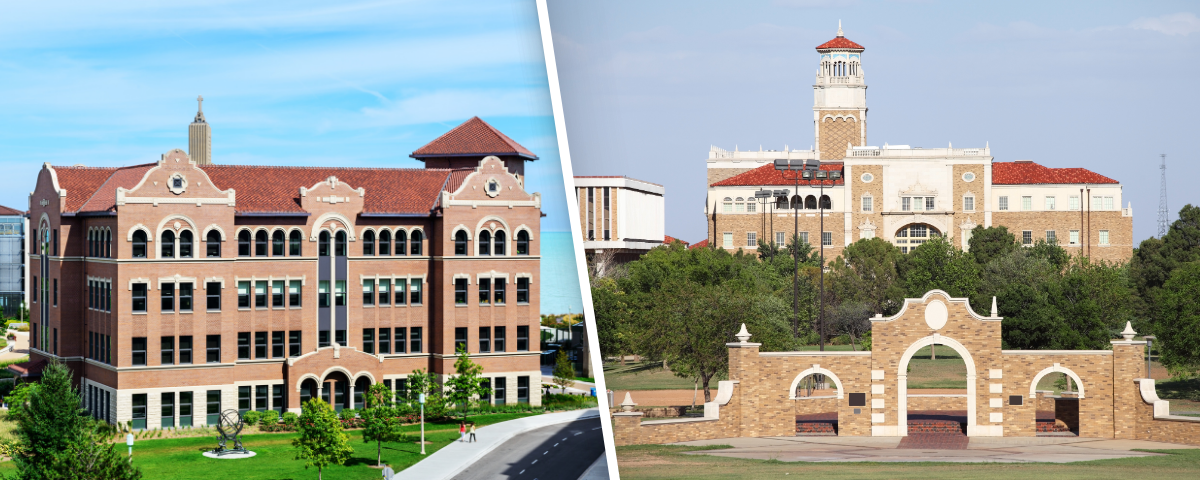
For families moving to Austin, finding quality education is a top priority. Austin boasts highly rated public and private schools, as well as an array of higher education options, making it an attractive destination for families with school-age children.
Top Schools in Austin:
- Eanes Independent School District
- Leander Independent School District
- Dripping Springs Independent School District
- NYOS Charter School
- Lake Travis Independent School District
Eanes Independent School District:
Located in West Austin, this district is one of the highest-performing in the state, known for its rigorous academics and excellent extracurricular programs. Eanes ISD includes Westlake High School, consistently ranked among the top high schools in Texas for college readiness and advanced placement participation.
Leander Independent School District:
Serving areas north of Austin, Leander ISD is recognized for its innovative teaching methods and strong STEM (Science, Technology, Engineering, and Math) programs. Families appreciate its safe, suburban setting and commitment to preparing students for higher education.
Dripping Springs Independent School District:
Located southwest of Austin, this district is known for its smaller class sizes and strong community involvement. Dripping Springs ISD offers award-winning athletic and arts programs, making it a great option for well-rounded student development.
NYOS Charter School (Not Your Ordinary School):
This unique charter school focuses on small class sizes, personalized learning, and a supportive environment for students of all backgrounds. NYOS is highly regarded for its commitment to fostering critical thinking and collaborative skills in students.
Lake Travis Independent School District:
Situated in an upscale area near Lake Travis, this district boasts high academic achievement and a strong emphasis on extracurricular activities, particularly sports. Lake Travis High School is well-known for its championship-winning football program and top-tier performing arts.
Higher Education in Austin:
- The University of Texas at Austin
- St. Edward’s University
- Concordia University Texas
- Texas State University
For those considering moving from Chicago to Austin with college-aged children, or for adults seeking higher education opportunities, Austin boasts an impressive array of universities and colleges.
These institutions offer a range of programs, from top-tier research opportunities to specialized and liberal arts education:
The University of Texas at Austin:
As one of the nation’s leading public research universities, UT Austin is renowned for its diverse academic offerings and vibrant campus life. It consistently ranks among the top universities globally, with highly regarded programs in engineering, business, computer science, and law. UT Austin is also home to the Longhorns, whose athletic programs are a central part of Austin’s culture. The campus is situated in the heart of the city, providing students with access to Austin’s thriving tech scene, live music, and cultural landmarks.
St. Edward’s University:
This private, Catholic university offers a personalized learning experience with small class sizes and a strong liberal arts focus. Located just minutes from downtown Austin, St. Edward’s is known for its emphasis on social justice and community engagement. Popular programs include business administration, psychology, and environmental studies. Its scenic hilltop campus provides a peaceful setting for students to learn and grow.
Concordia University Texas:
A private, faith-based university located in Northwest Austin, Concordia combines academic excellence with a focus on leadership and service. The school offers a variety of undergraduate and graduate programs, including nursing, business, and education. Concordia’s small class sizes and strong community focus make it an excellent choice for students seeking a more intimate college experience.
Texas State University:
Although its main campus is in nearby San Marcos, Texas State is a key player in the Austin higher education scene. Known for its robust programs in education, healthcare, and the arts, it’s also home to one of the top-ranked music schools in the nation. The university’s close proximity to Austin allows students to benefit from the city’s professional opportunities while enjoying the more relaxed atmosphere of San Marcos
If you’re coming from Chicago, where you might be familiar with top-tier universities like The University of Chicago and Northwestern University, Austin still offers plenty of academic excellence. The University of Texas at Austin, in particular, is renowned for its research programs and business school, making it a prime choice for those pursuing higher education in Texas.
Relocation 101: Making Your Move as Painless as Possible
Moving cross-country requires careful planning, especially when uprooting your life from Chicago to Austin. The logistics of packing, organizing, and transitioning to a new city can be overwhelming without a clear plan. Here are key steps to make the relocation smoother:
Craft a Master Plan
Start preparing for your move two months in advance. Breaking down the process into small, manageable tasks can save you from stress.
- Declutter: Start early and donate, sell, or recycle items you won’t need in Austin.
- Hire a Reliable Moving Company: Whether you want a full-service moving company or a DIY approach, start booking companies early to avoid last-minute stress.
- Research Austin Neighborhoods: Finding the right community in Austin can make a huge difference, so visit and explore key areas before making your decision.
Neighborhoods to Explore:
- South Austin: Known for its laid-back vibe, proximity to downtown, and access to nature trails.
- Northwest Hills: Offers great schools, scenic views, and a suburban feel.
- Downtown Austin: If you want to be in the heart of the action, downtown is the place for you, with access to music venues, bars, and restaurants.
Moving from Chicago to Austin brings significant changes in lifestyle, job market, and environment, but it also presents an exciting new chapter. Check out our Moving to Austin Checklist. You’ll be trading the iconic Windy City skyline for the laid-back, tech-fueled vibe of Austin, but with proper planning and a focus on settling into the right neighborhood, the transition can feel smoother.
FAQs: Moving from Chicago to Austin
Is the cost of living higher in Austin compared to Chicago?
Yes, Austin is approximately 18% more expensive than Chicago, primarily due to higher housing costs. However, Texas’ lack of state income tax can offset this difference, particularly for high earners.
What are the major cultural differences between Chicago and Austin?
Chicago is known for its jazz, theater, iconic architecture, and deep-dish pizza, while Austin boasts a vibrant live music scene, food trucks, and outdoor festivals like SXSW. Austin’s culture is more laid-back and quirky compared to Chicago’s dense urban vibe.
What is the job market like in Austin compared to Chicago?
Austin’s job market is driven by its booming tech industry, hosting companies like Dell, Google, and Facebook. Chicago offers a more diversified economy with strengths in finance, healthcare, and manufacturing. If you’re in tech, Austin is a top destination.
How does the weather in Austin differ from Chicago?
Austin has hot and dry summers, with temperatures often exceeding 100°F, while Chicago experiences brutally cold winters with sub-zero temperatures and frequent snowstorms. Austin’s climate allows for year-round outdoor activities, whereas Chicago has more distinct seasonal changes.
What are some of the best school districts in Austin for families?
Top school districts in Austin include Eanes ISD, Leander ISD, Dripping Springs ISD, NYOS Charter School, and Lake Travis ISD. These districts are known for academic excellence, strong extracurricular programs, and supportive communities.
Ready to Make the Move to Austin from Chicago?
Relocating from Chicago to Austin is more than just a change of address—it’s a chance to embrace a new chapter filled with opportunity, sunshine, and a vibrant lifestyle. While the move comes with its challenges, like navigating Austin’s competitive housing market or adjusting to the Texan heat, the rewards can far outweigh the hurdles.
With thoughtful preparation, relocating to Austin can be one of the most fulfilling decisions for you and your family. Picture yourself enjoying year-round outdoor activities, diving into a thriving tech scene, and exploring neighborhoods that blend the charm of Texas hospitality with the energy of a growing city.
If you’re considering moving from Chicago to Austin, don’t go it alone.Connect with a relocation specialist or explore our Moving to Austin Checklist to find the perfect neighborhood and make your transition seamless. With the right guidance, you’ll be planting roots in Austin in no time—and loving every moment of it.
// Posted by Ryan Rodenbeck on September 26th, 2024
Ryan Rodenbeck
Spyglass Realty FounderRyan Rodenbeck started Spyglass Realty in 2008 to be a solo practitioner and a top-producing agent. By 2015 he had placed in the ABJ Top 50 Realtors and the Platinum Top 50 Realtors. He decided to grow the company and teach what he learned as a top-producing agent to his growing team of agents.
Ryan was originally from Louisiana and relocated to Austin in 2001. In 2008, he founded Spyglass Realty as a platform for himself and a few other agents to operate independently. In 2015, he began developing ideas for transforming his "team" into a full-fledged brokerage and implemented systems and procedures to expand the team.


Featured Blog Posts

Manhattan vs. Austin: 2025 Real Estate, Cost of Living, and Lifestyle Comparison
Posted by Ryan Rodenbeck Read More
Austin Home Values: The Truth Behind Zillow Estimates
Posted by Ryan Rodenbeck Read More

Take The First Step to Your
Real Estate Journey
Contact us
Sign In

Create Account
Get a Consultation