
 Back
Back
Key Takeaways:
- New construction homes in Austin take 8-10 months to build (sometimes longer) and cost 10-20% more than existing homes
- Builder delays are the norm, not the exception - have a backup housing plan
- Most buyers spend $30,000-60,000 on upgrades beyond the base price
- Builder contracts are written by builder attorneys to protect builders, not you
- Austin's building boom means more inventory and buyer leverage than we've seen in years
There's something undeniably appealing about new construction. You walk into that model home, see those pristine countertops and perfect paint, and think "this is exactly what I want." No previous owners, no mystery stains, no wondering what's behind the walls.
The reality? It's more complicated than the sales rep makes it sound.
That "6-month timeline" they mention? We've watched it stretch to 10 months more often than we'd like to admit. The base price sounds reasonable until you realize most buyers end up spending another $30,000-60,000 on upgrades because—let's be honest—the standard finishes aren't quite what you saw in the model.
Here's what we've learned after helping hundreds of Austin families through this process: new construction can be fantastic, but only if you know what you're signing up for. The families who go in with realistic expectations and proper representation usually love their decision. The ones who don't... well, they call us six months later asking why their closing got pushed back again.
Austin's building boom has actually created some opportunities for buyers. More inventory means builders are competing harder for your business. But that also means knowing how to leverage that competition to your advantage.
TABLE OF CONTENTSAre New Construction Homes Still Worth Buying in Austin?
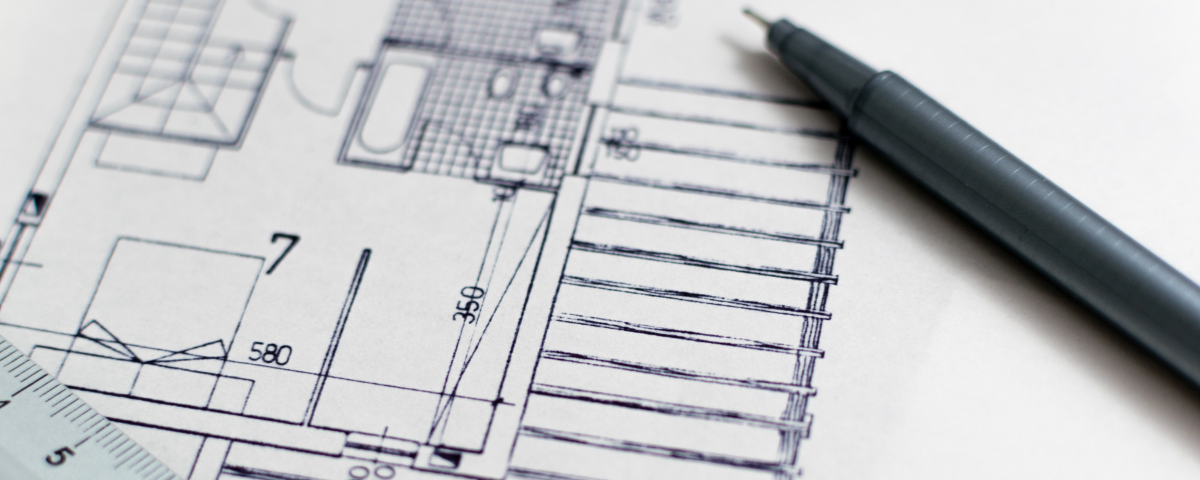
According to the latest Consumer Affairs housing report, Austin ranked ninth nationwide for both building permits and new-home sales activity, a clear sign that demand is being met with aggressive building efforts and policy innovation.
Short answer: yes, but the market has shifted in buyers' favor.
Austin ranked 9th nationwide for new construction activity with 3,889 building permits and 520 new homes sold in early 2025, according to Consumer Affairs' latest housing report. What's interesting is how this building boom is actually benefiting buyers in ways we haven't seen in years.
The numbers tell the story: Austin earned a score of 37.18 out of 100 on the new construction index, putting us among the most active building markets in the country. That's a lot of inventory hitting the market, which means builders are competing harder for your business.
What This Means for Buyers in 2025
What we're seeing in practice: buyers have more negotiating power now. More inventory means fewer bidding wars on the good lots, better upgrade packages being offered upfront, and builders who are actually willing to work with you on contract terms. We're helping clients find quality new build homes in Austin with options that simply weren't available two years ago.
The city is also working to fix its notoriously slow permitting process. Austin began piloting an AI system to speed up plan reviews—one of the first cities in the U.S. to test this approach. While we're still seeing 8-10 month build timelines in most cases, the improved permitting could help reduce some delays.
The bigger advantage: unlike the wild market of 2021-2022, buyers can now take their time, compare multiple builders, and actually negotiate. We've seen clients secure better lot locations, upgraded flooring packages, and more reasonable contract terms simply because builders need the sales.
Bottom line: if you've been waiting for a better time to buy new construction in Austin, this is probably it.
How Long Does New Construction Take in Austin?
Plan on 8 to 10 months, not the 4 to 6 months builders often quote.
While builders used to complete homes in four to six months, today's reality in Austin is quite different. Between labor shortages, material delays, and the sheer volume of construction happening across the metro, most new builds now take seven months to two years to complete.
We tell our clients to plan for 8 to 10 months from groundbreaking to move in, and honestly, that's being optimistic. The families who budget for longer timelines and have backup housing plans end up much less stressed than those who expect to move in on the original target date.
Why Austin Builds Take Longer
The construction boom that makes Austin attractive for building a home also creates bottlenecks. With nearly 4,000 permits issued in early 2025 alone, trade contractors are stretched thin. Your electrician might be working on three other homes in your neighborhood, and your HVAC installer could be booked out for months.
Material delays remain common, especially for specialized items like custom windows, high end appliances, and specific flooring materials. We've seen homes sit nearly complete for weeks waiting for a single appliance or garage door.
Most builders won't guarantee firm closing dates anymore. Instead, contracts use estimated timeframes with language that gives builders flexibility for delays. Some homes even close with minor features like landscaping or garage doors still pending.
The key is setting realistic expectations upfront. Patience isn't just helpful with new construction in Austin it's essential.
What's Included vs. What Costs Extra in New Construction?
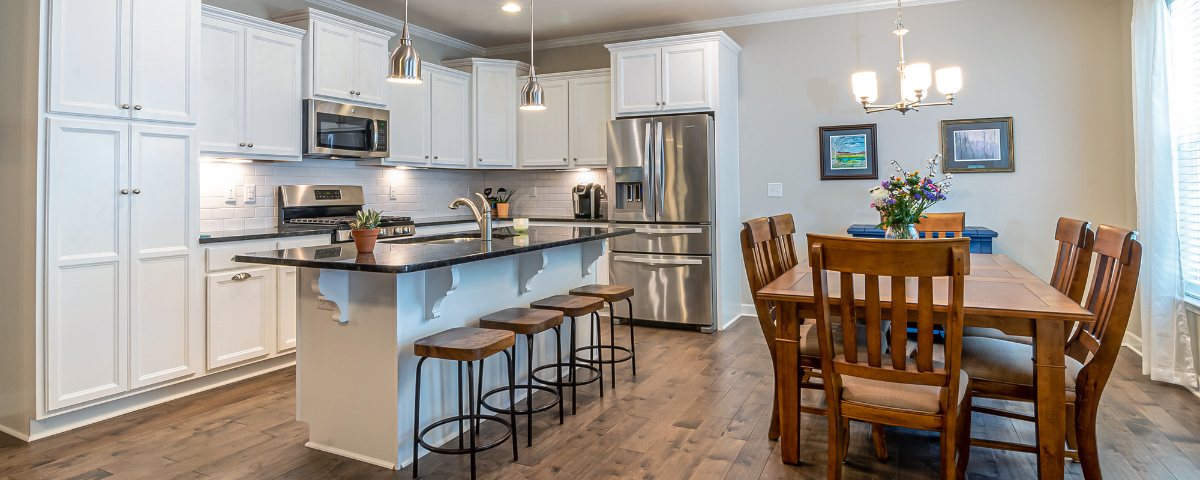
Most of what you see in the model home costs extra. Budget an additional $30,000 to $60,000 for upgrades beyond the base price.
Model homes are designed to wow you, but much of what catches your eye doesn't come standard. Those designer light fixtures, upgraded countertops, and custom tile work? All optional add-ons that can quickly inflate your budget.
What's Actually Included
The base price typically covers basic appliances like a microwave, stove, and dishwasher. You'll also get builder-grade flooring, standard lighting fixtures, basic fencing, and a simple landscaping package. Most Austin builders include granite or quartz countertops and a basic one-year warranty as standard features.
But everything else is usually an upgrade. Soft-close cabinets, accent walls, outdoor kitchens, smart home systems, and upgraded tile typically cost extra. Even seemingly basic features like ceiling fans in bedrooms or USB outlets often appear on the upgrade list.
Where the Costs Add Up
On average, buyers spend 10% to 20% of the base price on upgrades. On a $400,000 home, that's $40,000 to $80,000 in extras. We've seen families fall in love with $15,000 flooring packages or $8,000 kitchen backsplashes without realizing how quickly it all adds up.
Some builders include more features in their base packages. Boutique builders in East Austin sometimes offer premium features as standard, which can result in fewer surprise costs later. But you'll pay for that upfront in a higher base price.
Always compare builder inclusions and upgrade costs side by side. What looks like a good deal on paper could end up costing significantly more once you personalize the home to match what you saw in the model.
How Much Should I Budget for New Construction in Austin?
Plan on $400,000 to $800,000 total for most new construction projects, including land and upgrades. These are estimates that can vary significantly based on your choices and location.
Building a home in Austin involves several cost layers that many buyers don't anticipate. While you might see base prices starting around $350,000, the reality includes land costs, upgrades, permits, and dozens of smaller expenses that add up quickly.
Construction Cost Estimates by Area
According to recent market analysis, construction costs in Austin range from $150 to $600 per square foot, depending on location and quality level. Entry-level homes with standard finishes typically cost $150-$250 per square foot, while mid-range custom builds fall between $250-$350 per square foot.
For high-end properties in areas like Westlake or Central Austin, luxury builders report costs can reach $400-$600 per square foot. This means a 2,500 square foot home could cost anywhere from $375,000 to over $1.5 million, exclusive of land.
Land and Additional Costs
Land represents the biggest variable in your budget. Current data shows lots in Central Austin or Westlake can cost upwards of $500,000, while suburban markets like Manor or Leander offer options under $100,000. The average cost per acre in Austin is estimated at $29,800 to $33,000.
Don't forget about permit fees, which typically run $5,000 to $15,000, and land preparation costs of $1,500 to $3,000. Most buyers also spend an additional $30,000 to $60,000 on upgrades beyond the base price.
When selecting upgrades, focus on features with the best return on investment to maximize your long-term value while creating the home you want.
Remember, these are estimates based on current market conditions and can change based on material costs, labor availability, and your specific choices. Always get detailed quotes from multiple builders before making final decisions.
What Should I Watch Out for in New Construction Contracts?
New construction contracts are written by builder attorneys to protect builders, not you. Always have your own representation review the paperwork before signing.
New construction contracts aren't your typical resale agreements. Builders use their own paperwork, designed by their legal teams, with terms that heavily favor the builder. While this might sound obvious, most buyers don't realize how few protections they actually have until it's too late.
The Big Red Flags
It's common for builder contracts to remove financing or appraisal contingencies. If your loan falls through or the home doesn't appraise for the contract price, you might still be on the hook for the purchase. We've seen buyers lose substantial deposits because they couldn't secure financing, even when it wasn't their fault.
Your deposit is often at risk too. Many builders require larger deposits that become non-refundable unless you cancel for very specific reasons outlined in the contract. Some contracts allow builders to keep your deposit if you back out for any reason not explicitly covered.
Most contracts also include mandatory arbitration clauses, which limit your legal options if disputes arise. Instead of being able to file a lawsuit, you may be required to resolve issues through the builder's preferred arbitration process.
Protect Yourself
Never sign a builder contract without having it reviewed by someone who works for you, not the builder. The sales rep might be helpful, but they represent the builder's interests. Our experienced agents review these contracts regularly and know which clauses to negotiate or flag as problematic.
Remember, these documents are lengthy and complex. Understanding the risks before you sign can save you thousands of dollars and months of headaches later.
For informational purposes only. Always consult with a licensed real estate professional before proceeding with any real estate transaction.
Why You Need Your Own Agent for New Construction
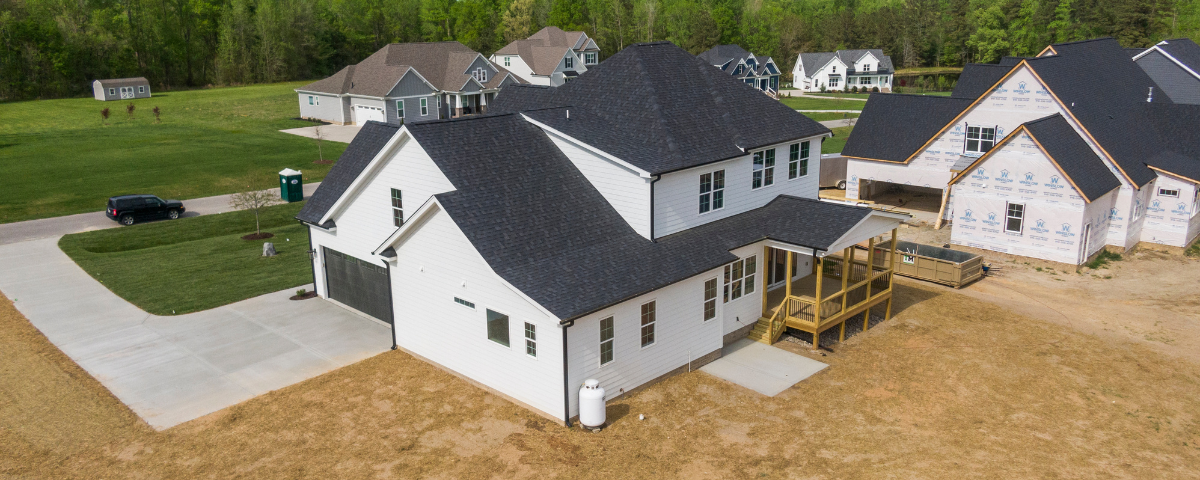
Buying new construction might seem straightforward, but it's not as simple as it looks. The builder's sales rep may be helpful, but they work for the builder, not for you. That's where having your own agent becomes crucial.
Someone Who Actually Works for You
A trusted real estate agent is there to protect your interests throughout the entire process. They'll review the builder's contract, explain complicated terms, and flag anything that could work against you, like escalation clauses or unfair deposit requirements.
Our experienced agents know how to spot the details buyers often overlook. We'll make sure you fully understand what you're signing, so you're not surprised by hidden costs or problematic clauses down the line.
The builder's sales team has one job: sell you a house at the highest possible margin. Your agent's job is making sure you get the best possible deal and protection throughout the process.
Staying on Top of Your Build
The construction process involves dozens of moving parts, multiple contractors, and countless decisions. Your agent will stay in touch with the builder, attend key meetings, and keep you informed every step of the way.
We also recommend third-party inspections at critical points, like before drywall goes up or before your final walkthrough. These inspections help catch potential issues early, before they become expensive problems that are harder to fix.
While the builder has their own quality control process, having an independent set of eyes protecting your investment provides extra peace of mind.
How We Help Our New Construction Clients
Our agents bring deep knowledge of the Austin new construction market. We've built strong relationships with local builders, understand the fine print in their contracts, and know how to advocate for you from start to finish.
From your first model home visit to final walkthrough, we'll be there to make sure your new home journey stays smooth, informed, and fully in your control. We know which builders consistently deliver on time, which ones tend to have cost overruns, and how to negotiate the best possible terms for your situation.
Ready to Buy New Construction in Austin?
New construction in Austin offers incredible opportunities, but success depends on going in with realistic expectations and the right team by your side.
Yes, you'll likely wait 8-10 months instead of the promised 6. Yes, you'll probably spend an extra $30,000-$60,000 on upgrades to get the home you actually want. And yes, those builder contracts are written to protect the builder, not you.
But here's what makes it worth it: you get to be the first person to call that house home. You choose every finish, every upgrade, every detail. You get modern efficiency, the latest technology, and that satisfaction of knowing everything works exactly the way it should.
The families who navigate new construction successfully have three things in common: they budget for the real costs upfront, they understand the timeline challenges, and they have their own agent protecting their interests throughout the process.
Austin's building boom means you have more options and negotiating power than buyers have had in years. Builders want your business, inventory is growing, and the market has shifted in your favor. If you've been considering new construction, the timing is right.
But don't go it alone. Your builder has a sales team working to maximize their profit. You deserve someone working just as hard to protect yours.
Get expert guidance every step of the way. Work with a Spyglass Realty agent who knows the Austin new construction market inside and out. We'll review contracts, recommend inspections, negotiate upgrades, and make sure your dream home doesn't turn into an expensive lesson.Call us at (512) 580-9338 or contact us here to get started!
Frequently Asked Questions
How much more expensive is new construction vs. existing homes in Austin?
New construction typically costs 10-20% more than comparable existing homes in Austin. However, you avoid immediate repair costs, get modern efficiency features, and have warranty protection. When you factor in the potential $20,000-$40,000 in updates an older home might need, the gap often narrows significantly.
What's the biggest mistake buyers make with new construction?
Not having their own agent. Builder sales reps work for the builder, not you. They're trained to maximize the builder's profit, not protect your interests. Having your own representation costs you nothing but can save thousands in negotiations and contract protection.
Do I really need to budget 8-10 months for construction?
Yes, and sometimes longer. While builders often quote 4-6 months, the reality in Austin's busy construction market is 8-10 months minimum. Labor shortages, material delays, and the sheer volume of construction happening across the metro all contribute to longer timelines. Plan for 10 months and you'll be pleasantly surprised if it's faster.
How much should I budget for upgrades?
Most buyers spend $30,000-$60,000 on upgrades beyond the base price, which typically represents 10-20% of the home's cost. Model homes are designed to showcase premium features that aren't included in the standard package. Budget accordingly and focus on upgrades with the best ROI for your investment.
Can I negotiate with builders in Austin's current market?
Absolutely. With more inventory and builders competing for business, you have more negotiating power than buyers have had in years. We've seen clients secure better lot locations, upgraded flooring packages, and more reasonable contract terms. The key is knowing what to ask for and how to leverage the current market conditions.
What happens if my loan doesn't go through or the house doesn't appraise?
This depends entirely on your contract terms. Many builder contracts remove financing and appraisal contingencies, which means you could lose your deposit even if the loan issues aren't your fault. This is exactly why having an experienced agent review your contract before signing is crucial—we know which clauses to negotiate or flag as problematic.
// Posted by Ryan Rodenbeck on July 30th, 2025
Ryan Rodenbeck
Spyglass Realty FounderRyan Rodenbeck started Spyglass Realty in 2008 to be a solo practitioner and a top-producing agent. By 2015 he had placed in the ABJ Top 50 Realtors and the Platinum Top 50 Realtors. He decided to grow the company and teach what he learned as a top-producing agent to his growing team of agents.
Ryan was originally from Louisiana and relocated to Austin in 2001. In 2008, he founded Spyglass Realty as a platform for himself and a few other agents to operate independently. In 2015, he began developing ideas for transforming his "team" into a full-fledged brokerage and implemented systems and procedures to expand the team.


Featured Blog Posts

Manhattan vs. Austin: 2025 Real Estate, Cost of Living, and Lifestyle Comparison
Posted by Ryan Rodenbeck Read More
Austin Home Values: The Truth Behind Zillow Estimates
Posted by Ryan Rodenbeck Read More

Take The First Step to Your
Real Estate Journey
Contact us
Sign In

Create Account
Get a Consultation