
 Back
Back
Ever felt like you're trying to decode a foreign language while navigating the real estate market? Yeah, we've all been there.
Welcome to Travis County - Austin's vibrant heartland. It’s a melting pot of tech industry growth and cultural diversity that uniquely shapes its property landscape.
Selling your home here is more than just setting a price tag. We’re diving deep into these questions with practical insights tailored for you – whether you’re buying, selling, investing, or simply curious!
Hold on tight as we journey through Travis County's real estate intricacies. There's much to uncover...are you ready for it?
Key Insights for Travis County's Real Estate Market
Understanding the Market: Travis County's real estate market features diverse property values, from affordable to upscale neighborhoods, influenced by tech industry growth and cultural diversity.
Selling Considerations: Key aspects include strategic timing, competitive pricing, effective home staging, and understanding legal regulations to navigate the selling process successfully.
Agent Role and Taxes: Real estate agents provide essential guidance through transactions, while familiarity with property taxes, set by local entities based on appraised value, is crucial for financial planning.
Understanding Travis County's Real Estate Market
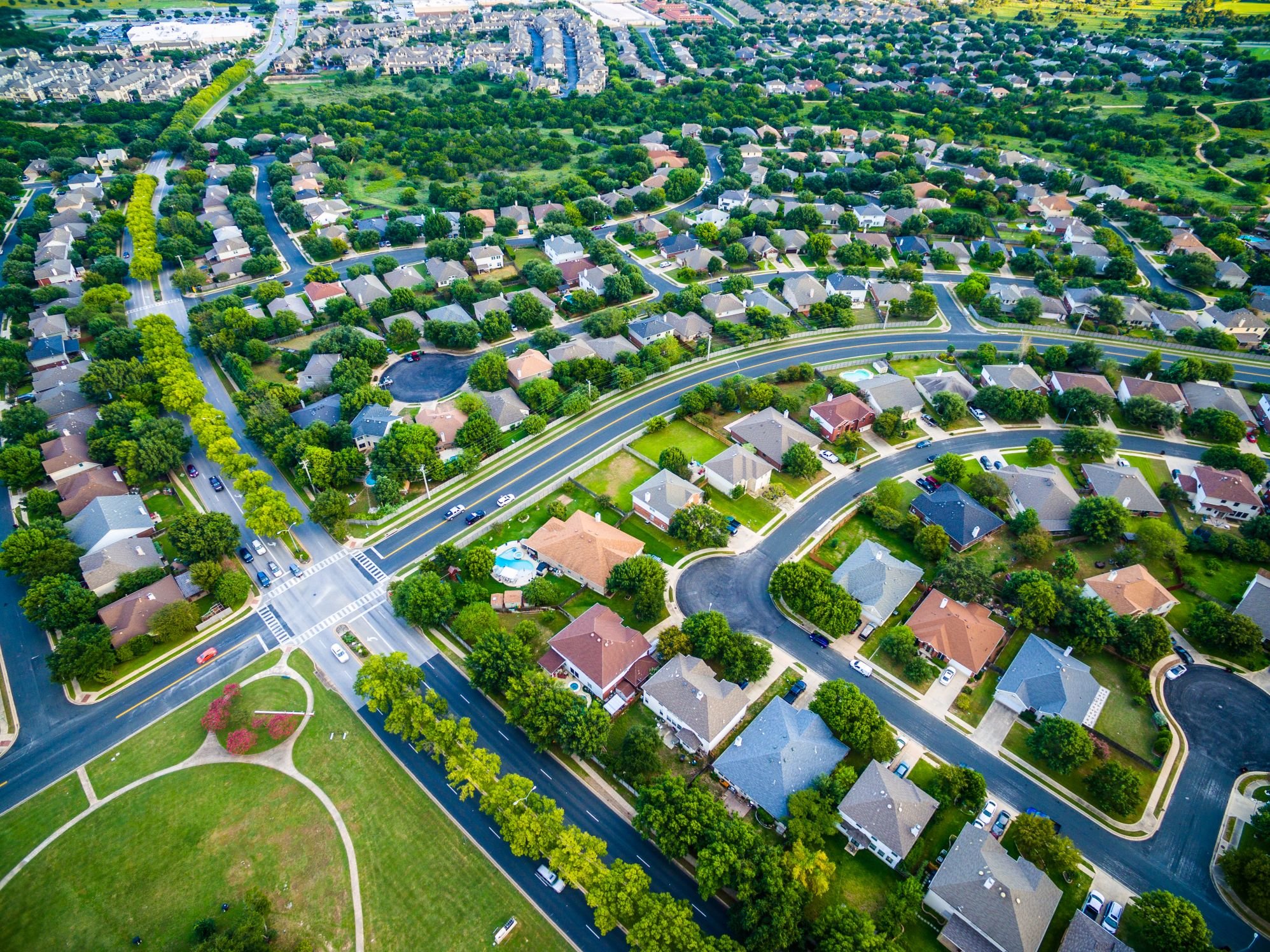
- Austin: $533,214
- Anderson Mill: $427,183
- Bee Cave: $910,940
- Hudson Bend: $727,101
- Rollingwood: $2,595,376
- West Lake Hills: $2,124,939
Don't be daunted by the climbing figures if you're in the market for a purchase. With proper research and help from experienced agents here at Spyglass Realty, investing in Travis County real estate can still be within your reach.
Unique Aspects of Selling Property in Austin
Austin's real estate market is a hotbed for tech professionals, thanks to the city's thriving tech industry. This brings unique buyers with specific demands.
The city’s vibrant culture also plays into selling. From hip East Austin to family-friendly Circle C Ranch, each neighborhood has its own appeal. So, knowing your property’s character and marketing it accordingly can fetch you top dollar.
But don't forget about competition. With new builds popping up daily, standing out is key. Consider staging or minor upgrades to make sure your home doesn’t get lost in the crowd.
Key Considerations When Selling Property in Travis County
Selling property in Travis County involves several key considerations to navigate the real estate process effectively. Understanding the county's appraisal system is crucial. Each property in the county has a single appraised value, determined by the county appraisal districts, influencing its taxability. Recognizing the fluctuations in the real estate market is essential. The timing of the sale can impact the outcome, with factors like the seasonality of the market playing a role.
Property owners should also be aware of the appraised value, which estimates the property's current market worth, affecting property taxes in Austin's dynamic housing market. Keeping abreast of the local tax rates set by Travis County is another critical consideration, as it directly influences the financial aspects of the property transaction
Timing Matters
Selling your property in Austin involves strategic timing. Consider the seasonal fluctuations such as knowing when's the best time to buy or sell a home in Travis County. Selling during the fall and winter months may present challenges due to colder weather impacting buyer activity. Alternatively, the spring and summer seasons often witness increased demand and higher property values, providing sellers with a favorable environment to showcase their homes.
Competitive Pricing
Setting the right price from the start is essential. Austin's real estate market is competitive, and pricing your home strategically is key to attracting potential buyers. Thoroughly research the local market to understand pricing dynamics and position your property competitively. A well-priced home generates interest and stands out in the crowded market, increasing the likelihood of a quicker and more lucrative sale. If you're considering selling, speak to a real estate expert who will guide you in pricing your home for the market. To know what's your home worth, get a FREE home valuation here.
Home Staging
Austin's diverse population appreciates unique and eclectic tastes. Staging your Austin home goes beyond mere decoration; it's about creating an emotional connection with potential buyers. Consider the cultural diversity and preferences in Austin when staging your home. A well-staged property not only enhances its appeal but also helps potential buyers envision themselves living in the space.
Legal Considerations
Familiarizing yourself with Travis County real estate regulations is crucial for a smooth selling process. Consult with professionals to navigate documentation, contracts, and compliance requirements. Understanding the legal aspects ensures transparency and minimizes potential hurdles, providing both you and the buyer with a secure transaction.
Local Trends
Stay informed about the current real estate trends in Austin. This dynamic city experiences rapid growth and cultural shifts that influence property values and buyer preferences. Keep an eye on emerging trends, such as sustainable features, smart home technology, and unique architectural styles, aligning your selling strategy with the evolving preferences of Austin's diverse and discerning homebuyers.
The Role of Real Estate Agents in Travis County Transactions
Real estate agents are key players in Travis County transactions. They're like tour guides, leading you through the complex landscape of buying or selling a property.
An agent's first job is to find properties that match your needs and budget. Spyglass Realty, for instance, has an extensive portfolio of homes across Austin and beyond.
But their role goes further. They also negotiate deals, making sure you get the best possible price whether you're buying or selling.
Above all else, real estate agents make your life easier by handling paperwork and ensuring every step is legally sound. In essence, they’re problem solvers with industry knowledge who can help turn real estate dreams into reality.
Looking for a home in Travis County? Real estate agents are your personal tour guides, helping you find the perfect property, negotiate killer deals and navigate paperwork with ease. #RealEstateDreams Click to TweetNavigating Property Taxes in Travis County
Property taxes can feel like a maze, but they're less daunting once you know the way. In Travis County, your property tax is based on its appraised value. The Travis Central Appraisal District (TCAD) assesses this each year.
The rate itself is set by various local entities - school districts, cities, and special districts. It's crucial to keep up with changes as they directly impact what you owe.
To calculate your potential tax bill before buying property, you can use this Property Tax Estimator from the Travis County Tax Office website.
Essential Insights for Sellers in Travis County Real Estate
Travis County real estate isn't just a game of numbers, it's about understanding the landscape. From lease agreements to seller tips, we've shed light on all.
Property in Austin is unique with its booming tech industry and vibrant culture. You learned what sets it apart from other places.
You now know the key considerations when buying property here. Location, and market trends - they're not mere words but essential factors shaping your investment decision.
We dove into financing options available for you and how real estate agents can make transactions smoother. And yes, those daunting property taxes? They don’t seem so complex anymore!
Armed with this knowledge, navigate Travis County's real estate market like a pro! The journey might be intricate...but hey – now you’re prepared!
If you're gearing up to sell your property in Travis County and want personalized guidance tailored to your unique situation,
click here to speak with our experienced real estate consultants. Our team is dedicated to providing insights, answering your questions, and ensuring a smooth and rewarding selling journey. Don't miss out on the opportunity to make the most of your Travis County real estate experience!
Posted by Ryan Rodenbeck on November 21st, 2023
Ryan Rodenbeck
Spyglass Realty FounderRyan Rodenbeck started Spyglass Realty in 2008 to be a solo practitioner and a top-producing agent. By 2015 he had placed in the ABJ Top 50 Realtors and the Platinum Top 50 Realtors. He decided to grow the company and teach what he learned as a top-producing agent to his growing team of agents.
Ryan was originally from Louisiana and relocated to Austin in 2001. In 2008, he founded Spyglass Realty as a platform for himself and a few other agents to operate independently. In 2015, he began developing ideas for transforming his "team" into a full-fledged brokerage and implemented systems and procedures to expand the team.


Featured Blog Posts

Manhattan vs. Austin: 2025 Real Estate, Cost of Living, and Lifestyle Comparison
Posted by Ryan Rodenbeck Read More
Austin Home Values: The Truth Behind Zillow Estimates
Posted by Ryan Rodenbeck Read More

Take The First Step to Your
Real Estate Journey
Contact us
Sign In

Create Account
Get a Consultation