
 Back
Back
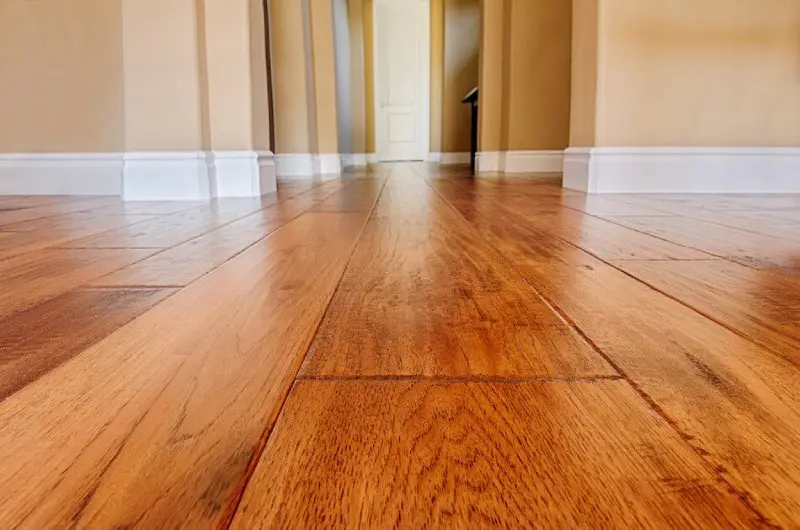
What is Hardwood Flooring?
Hardwood floors are harvested from trees and formed into plants, sanded down to become smooth. Hardwood flooring is 100% wood which also includes a petroleum-based factory finish. This type of flooring is known to be more durable compared to other wood counterparts. Hardwood flooring is widely used in homes due to its function and design that provide home personality and beauty.
Appearance
Hardwood flooring is best to use for stunning living rooms, longevity, radiant systems, resale value, and repairs and maintenance. They have a unique appeal composed of organic grains, knots, and a natural texture that might be hard for other types of hardwood counterparts to copy. They easily take on various stain finish such as wax for some extra shine. Hardwood also has different lighter options and colors such as red, blue, and white oak.
Cost and Installation
Since hardwood is a durable material, the stronger it is, the more it will cost. You get what you pay for when it comes to hardwood flooring. Harder woods tend to grow a little longer, making them more scarce and expensive. The average cost to install hardwood flooring in a 1,000 square foot home is approximately $8,000. There will also be some additional costs if you choose to finish or wax it.
Compared to other types of wood flooring, hardwood might be difficult for non-professionals to install. If you choose to DIY, it can come in prefinished to save you time, although the costs could be higher.
Types of Hardwood Floors
Oak, maple, and cherry are time-honored choices for hardwood flooring, but available options today are not limited to those three. Exotic species like teak and mesquite, other woods like ash, walnut and mahogany, and even bamboo are popular.
The three common types of wood flooring are:
Solid Wood
Solid flooring typically consists of strips or planks from 5/8 to 3/4 inch thick, installed over a sub-floor, typically plywood. The wood may be butted tightly together or locked together with tongue and groove joints. Typically installed with "breathing room," it must be allowed to acclimatize to a new location. It can be pre-finished, sanded, stained, and sealed on site.
Engineered Wood
Attached to an underlayment of plywood, a wood layer typically no more than 1/8-inch thick is attached to plywood to make a hardy, durable "sandwich" of components. Ideal for home renovation because it requires minimal floor preparation and can be installed directly over a concrete slab, a primary disadvantage is that it can only be sanded and refinished once or twice and is more subject to dings and scratches that are impossible to disguise.
Laminate
A modern, lower-cost alternative to the real thing, wood laminate flooring is a composite of resin-infused paper joined to a wood chip base. It can be attractive, and it's highly scratch-resistant and easy to install, but it is vulnerable to moisture, can be slippery, cannot be sanded, and is difficult to repair. Its strong point is its affordability.
How to Care for Hardwood Floors
Quality hardwood floors require minimal upkeep. Today, most wood flooring has a protective coating that minimizes maintenance and reduces scuffs and wear marks. Most homeowners find that regular sweeping and mopping will keep hardwood looking fresh and attractive for years to come.
Things to remember: Because wood is a natural material, homeowners should quickly wipe up spills and pet mishaps, use protective doormats to reduce tracking in dust and dirt from outdoors, and minimize potential scratches by pets or from furniture and toys. But wood will withstand a lot of normal traffic, and distress marks sometimes only add to its charm and beauty.
Regularly dust wood floors with a microfiber mop or vacuum surfaces with floor-brush attachment. Sweep up debris and protect heavy traffic areas with area rugs or runners
Hardwood floor cleaners that are Greenguard Gold certified are safe for children and pets, but a homeowner's best friend for wood floor upkeep is common household vinegar—mix 1/2 cup of vinegar with a gallon of warm water and damp mop the entire floor. Do not let water pool on the surface, and use a fan or dehumidifier to help dissipate moisture in humid climates. Vinegar might dull highly polished wood surfaces, so be sure to test it first in an inconspicuous area.
Remember that regular cleaning will prolong not only the life of your floors but protect their inherent beauty as well.
Durability and Resale Value
Hardwood flooring can last for more than 20 years with proper care and maintenance. If they ever become damaged, they can be refinished! Take note that hardwood floors are organic; they may not be resistant to scratches, stains, and dents. The durability adds value to your house, not just for yourself but even the future owners of your home. Since hardwood floors can last for a long time, they raise your home's value compared to other flooring materials. Hardwood floors boost your home's resale value, as home buyers are known to invest in a home with hardwood flooring!
Posted by Ryan Rodenbeck on April 6th, 2020Tags

Ryan Rodenbeck
Spyglass Realty FounderRyan Rodenbeck started Spyglass Realty in 2008 to be a solo practitioner and a top-producing agent. By 2015 he had placed in the ABJ Top 50 Realtors and the Platinum Top 50 Realtors. He decided to grow the company and teach what he learned as a top-producing agent to his growing team of agents.
Ryan was originally from Louisiana and relocated to Austin in 2001. In 2008, he founded Spyglass Realty as a platform for himself and a few other agents to operate independently. In 2015, he began developing ideas for transforming his "team" into a full-fledged brokerage and implemented systems and procedures to expand the team.


Featured Blog Posts

Manhattan vs. Austin: 2025 Real Estate, Cost of Living, and Lifestyle Comparison
Posted by Ryan Rodenbeck Read More
Austin Home Values: The Truth Behind Zillow Estimates
Posted by Ryan Rodenbeck Read More

Take The First Step to Your
Real Estate Journey
Contact us
Sign In

Create Account
Get a Consultation