
 Back
Back
Are Texas houses too cheap? This blog post will investigate the various explanations for why Texas homes are so reasonably priced. The Lone Star State offers some of the most affordable housing options in the country, thanks to factors such as its expansive landscape, favorable tax structure, and variations within the state's property values.
We'll delve into how Texas' vast amount of buildable land plays a significant role in keeping real estate prices low. You'll also learn about Texas' unique tax structure which significantly impacts housing affordability. Finally, yet importantly, we will touch upon the different myths to why houses in Texas are so cheap.
TABLE OF CONTENTS
- The Role of Texas' Landscape in Housing Affordability
- Influence of Tax Structure on Real Estate Pricing
- Variations Within State's Property Values
- Myths and Misconceptions on Why Houses in Texas Are Cheap
- FAQs in Relation to Why Are Houses in Texas So Cheap
- Conclusion
The Role of Texas' Landscape in Housing Affordability
When it comes to affordable housing, Texas's diverse landscape plays a significant role. The Lone Star State boasts vast land that varies from rolling hills and prairies to coastal plains and deserts. The plentiful supply of land in Texas provides a key element to making housing costs affordable compared to other large-density states.
Comparison between housing costs in Texas and other densely populated states
Texas, in contrast to the coastal states with their high demand and consequent inflated property prices, offers a balanced housing market due to its abundance of available land. Here, there is ample space for everyone, which helps keep real estate prices relatively low.
But don't think you have to compromise on quality or amenities. You can still find plenty of homes equipped with modern facilities at affordable rates spread across various regions within this expansive state.
So whether you're looking for a peaceful countryside home amidst nature or prefer living closer to urban areas without breaking your bank account - thanks largely due to its varied landscape - finding an affordable house in Texas might be easier than you think.
Influence of Tax Structure on Real Estate Pricing
Don't underestimate the impact of taxes on real estate pricing. In Texas, the unique tax structure helps keep homes affordable. One major factor is the lack of state income tax, which keeps living expenses low.
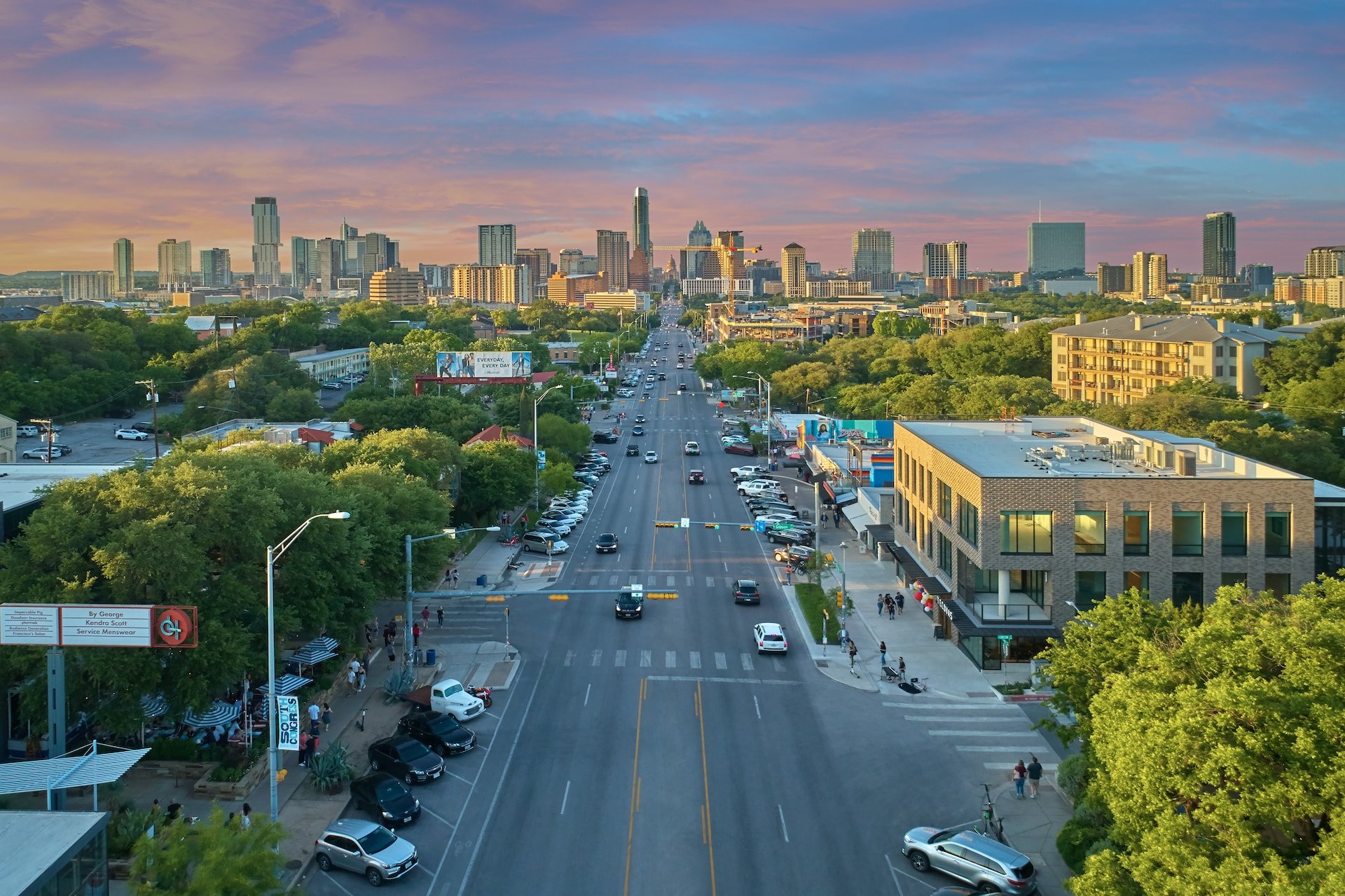
Overview of Taxes Affecting Real Estate Pricing
Texas relies on property and sales taxes for revenue. While property taxes may be higher than in some states, the lack of state income tax and lower sales tax rates balance things out. This results in a net positive effect for potential homeowners.
Impact on Property Rates Due to Low Business Taxes
The low business-tax environment also contributes to affordable housing prices in Texas. Without corporate income tax, many businesses flock to the state, creating jobs and economic growth.
These factors combined make investing in Texan properties financially appealing while keeping costs relatively lower than other regions across America.
>> SEARCH AUSTIN HOMES UNDER $500K HERE <<
Variations Within State's Property Values
While it's true that Texas offers affordable housing, it's important to note that property values can vary significantly across the state. The Lone Star State is expansive and multifaceted, with every locale offering distinctive sights and features.
Higher property values around scenic locations and urban centers
In Texas, certain areas are known for their higher-than-average real estate values, particularly those near scenic locations or urban centers. These typically include regions with breathtaking scenery or those situated near major urban centers. For instance, homes located along the Texas Hill Country, renowned for its rolling hills and wineries or homes near the lake, often command a premium price.
In contrast, properties in proximity to bustling cities like Austin and Dallas-Fort Worth also tend to have higher value due to easy access to city life conveniences such as shopping malls, restaurants, and entertainment venues.
However, even within these pricier locales, there exist pockets of affordability. You can find neighborhoods where you can still find reasonably priced homes without sacrificing quality or location.
The key takeaway here is not all houses in Texas are 'cheap'. It largely depends on where you're looking. Always do your research before making an investment decision; consider factors such as local amenities available, commute times if working remotely isn't an option for you, and overall lifestyle preferences when choosing your ideal Texan home.
Myths and Misconceptions on Why Texas Houses Are Cheap
Texas has long been known for its budget-friendly homes, leaving many puzzled about the secret behind the Lone Star State's affordability. In this blog, we unravel the myths surrounding Texas houses, exploring the true reasons behind their surprisingly reasonable prices.
Myth #1: Texas houses are cheap because of low land prices and wages
Texas houses are often seen as affordable because of available land and lower wages. You see, Texas has plenty of open land, so when lots of people want homes, new ones can be built quickly, which helps keep prices down. But here's the thing: housing prices mostly depend on how many houses are available and how many people want them.
If there's a high demand for houses but not enough to go around, prices go up. On the other hand, when there are more houses than people looking to buy, prices can go down. There are other factors too, like interest rates, how many people have jobs, and the average income.
Keep in mind that affordability can differ in different parts of Texas. It's not just about the price tag. Location and what the house has to offer are important too. So, to understand the Texas housing market, we need to look at things like supply, demand, and how things vary in different areas.
Myth #2: Texas houses are universally cheap
Let's debunk the myth that all houses in Texas are dirt cheap. While Texas generally offers more affordable housing than states like California, there are important factors and regional variations to consider. According to Zillow’s Home Index, the average home value in California is $737,900, compared to $302,333 in Texas as of June 2023.
Price per square foot also varies, with Dallas at around $192 and Austin at $588 as of June 2023. These differences highlight location-based variations. However, it's essential to look beyond price per square foot and consider amenities, location, and quality.
Supply and demand dynamics and income levels further impact pricing. Texas has more affordable options, but it's crucial to recognize regional differences and consider various factors when assessing housing affordability.
Myth #3: Texas houses are not appreciating in value
The notion that Texas houses aren't appreciating in value is incorrect. Despite the COVID-19 pandemic, home prices in Texas have been on the rise. According to the Texas Real Estate Research Center at Texas A&M University’s Home Price Index, housing prices in Texas have increased by over 30% statewide in 2021 compared to 2020.
It's important to consider local market conditions and factors like supply and demand to accurately assess the appreciation of Texas houses. Overall, Texas homes are experiencing value appreciation across various regions.
FAQs in Relation to Why Are Houses in Texas So Cheap
Is it really cheaper to live in Texas?
Yes, the cost of living in Texas is generally lower compared to many other U.S. states due to affordable housing and low taxes. Learn more about the cost of living in Austin, Texas.
Does Texas have the cheapest houses?
No, while house prices are relatively cheap, some states like West Virginia and Mississippi typically have even lower prices.
Why are homes in Houston so cheap?
Houston's vast land availability for development contributes significantly towards its affordable home pricing.
The Real Value of Texas Houses
Why are houses in Texas so cheap? Texas' tax structure and variations in property values also contribute to the affordability of its real estate market. And let's not forget about safety - a factor that is often overlooked when it comes to housing affordability. So if you're in the market for a new home, consider Texas - where you can get more bang for your buck.
If you're considering a move or searching for homes in Austin, speak to our expert real estate consultants at Spyglass Realty. We're here to provide personalized guidance to help you find your dream home.
>> VIEW AUSTIN HOMES UNDER $500K HERE <<
Posted by Ryan Rodenbeck on June 21st, 2023
Ryan Rodenbeck
Spyglass Realty FounderRyan Rodenbeck started Spyglass Realty in 2008 to be a solo practitioner and a top-producing agent. By 2015 he had placed in the ABJ Top 50 Realtors and the Platinum Top 50 Realtors. He decided to grow the company and teach what he learned as a top-producing agent to his growing team of agents.
Ryan was originally from Louisiana and relocated to Austin in 2001. In 2008, he founded Spyglass Realty as a platform for himself and a few other agents to operate independently. In 2015, he began developing ideas for transforming his "team" into a full-fledged brokerage and implemented systems and procedures to expand the team.


Featured Blog Posts

Manhattan vs. Austin: 2025 Real Estate, Cost of Living, and Lifestyle Comparison
Posted by Ryan Rodenbeck Read More
Austin Home Values: The Truth Behind Zillow Estimates
Posted by Ryan Rodenbeck Read More

Take The First Step to Your
Real Estate Journey
Contact us
Sign In

Create Account
Get a Consultation