
 Back
Back
Housing in Central Texas is no longer defined by rapid bidding wars or runaway price growth. Instead, the conversation has shifted toward balance, affordability, and long-term sustainability. The 2025 Central Texas Housing Summit set the stage for this new reality, offering a detailed Austin Economic Forecast alongside national and regional insights.
The summit hosted by ABoR Unlock MLS brought together economists, analysts, and local leaders to align national housing dynamics with Central Texas trends. From affordability challenges to construction pipelines, the event delivered strategies and data that buyers, sellers, and real estate professionals can use to succeed in today’s evolving market.
Key Insights for the Austin Economic Forecast
- The market has shifted into balance. The days of frenzied bidding wars are behind us. Buyers have more time and leverage, and sellers must be strategic with pricing and concessions.
- National trends are cooling but stabilizing. Economic data points to slower spending, modest wage growth, and easing inflation. This sets the stage for steadier housing activity across the U.S.
- Long-term growth remains strong. Corporate expansions, infrastructure projects, and population growth along the I-35 corridor will keep Austin’s housing demand resilient through 2030 and beyond.
- Opportunities exist with the right strategy. Buyers can negotiate better terms, sellers can still succeed with preparation and pricing discipline, and agents must use hyper-local data to guide clients.
The National Economic Picture
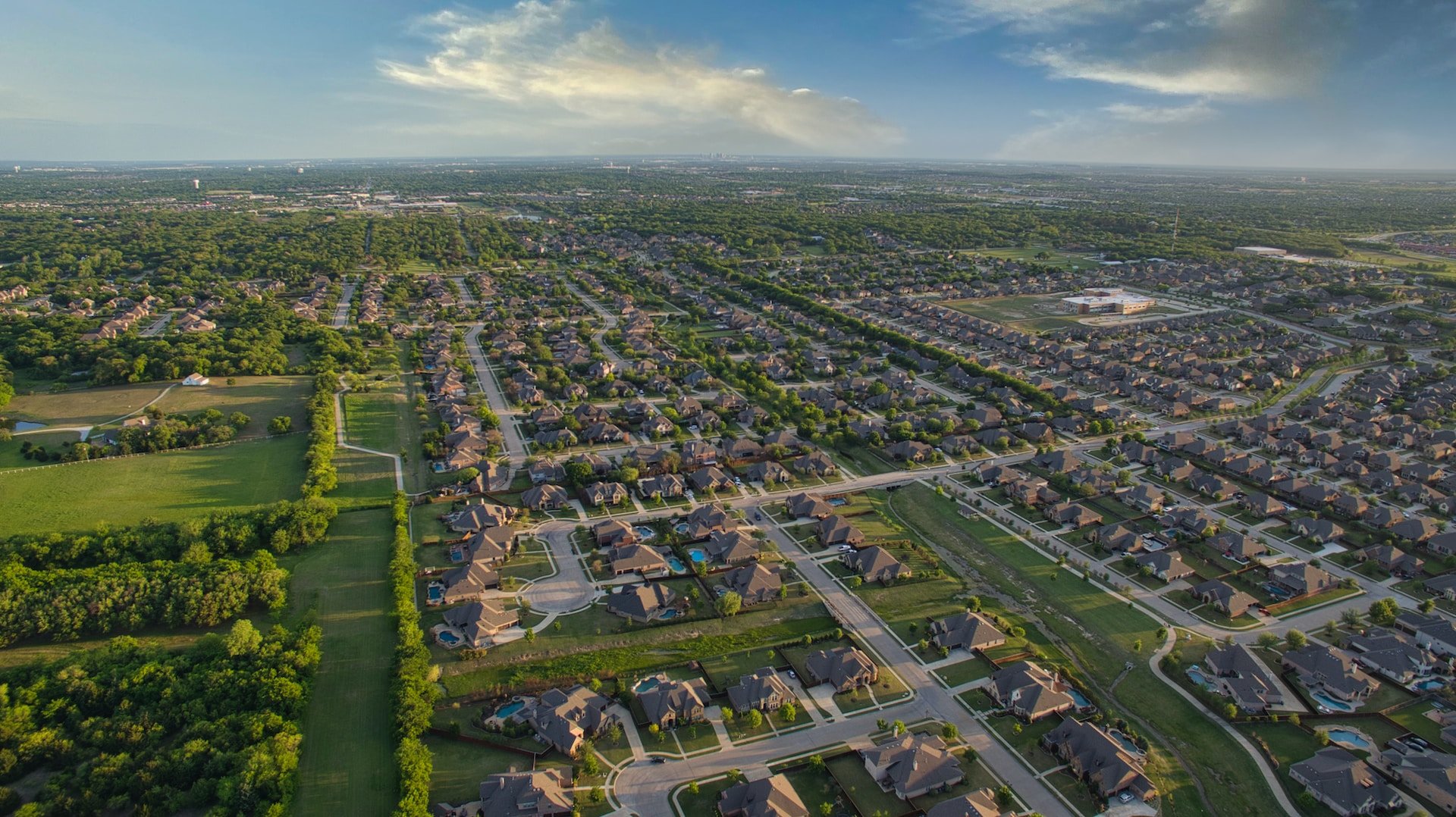
Hannah Jones, Senior Economic Research Analyst at Realtor.com, laid out the economic forces shaping today’s housing market. She explained that the post-pandemic recovery has been anything but smooth, marked by volatility in growth and uneven consumer spending.
While GDP is expected to stabilize in the latter half of 2025, the underlying data points to households tightening their budgets and a labor market that is losing some of its pandemic-era momentum. These trends set the stage for slower but healthier housing activity across the country.
Key economic takeaways included:
- Consumer savings rates dropped from a peak of 32% in April 2020 to about 4.4% today, signaling tighter household budgets.
- Job postings are down by more than 900,000 compared to expectations, with unemployment now slightly higher than job openings for the first time since 2020.
- Wages are growing faster than inflation, boosting purchasing power, but overall spending is slowing.
- Inflation is cooling but remains above the Federal Reserve’s 2% target, largely due to shelter costs.
Taken together, these numbers show that while the economy is no longer overheating, households are under pressure to adjust. For real estate, this means the red-hot demand of past years is giving way to a more sustainable pace.
Buyers who once felt rushed now have more breathing room, and sellers must approach the market with greater flexibility. The shift creates challenges, but it also opens the door to a healthier balance that benefits both sides of the transaction.
Housing Market Conditions Across the U.S.
National housing trends show a steady move toward balance. For the first time in years, buyers are gaining ground as inventory grows and timelines to purchase expand.
Important markers of this shift include:
- The months' supply sits around 4.1 nationally, on the lower end of a balanced market.
- Active listings are up 21% year-over-year, while new listings grew by 5%.
- Homes now take about 60 days to sell, seven days longer than last year.
- Roughly 20% of listings undergo price reductions, showing that sellers are adjusting to new realities.
- The national median listing price holds near $430,000 and has remained flat for three years.
Quick bidding wars no longer dominate the market. Instead, buyers have more choices and negotiating leverage, while sellers must calibrate expectations.
Mortgage rates remain a hurdle, still hovering above 6%, though they are expected to trend slightly lower by year-end. As factors that affect mortgage rates continue to shape affordability, many buyers are moving out of necessity rather than preference. With Austin already ahead of the curve in rebalancing, today’s conditions give buyers a chance to enter neighborhoods that felt unattainable just a few years ago.
Austin and Central Texas: A Market of Contrasts
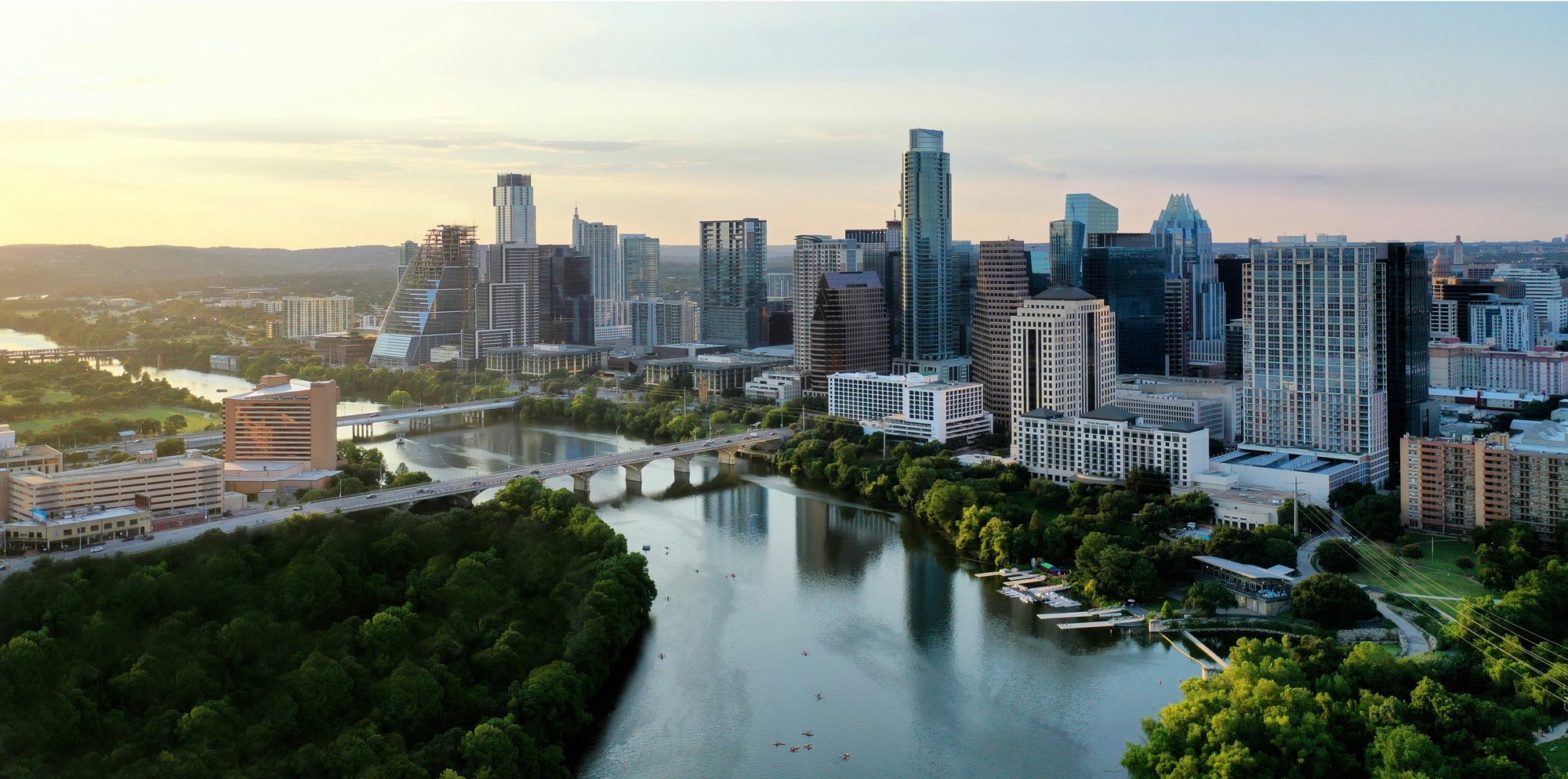
Austin has long been a bellwether for housing trends, often leading national cycles rather than following them.
After fueling one of the strongest pandemic-era booms, the city was also among the first major metros to cool and reset. That early rebalancing has left Austin firmly in buyer’s market territory today, while many other markets across the country remain closer to balance.
Distinct Local Dynamics
- Listings have stabilized, but price softening varies widely by neighborhood and price tier.
- Financing costs have risen by 80% since pre-pandemic levels, compared to just 20% growth in wages, squeezing affordability.
- The $200,000-$350,000 listing band shrank from nearly 50% of the market in 2019 to just 20% today, while homes priced above $500,000 now account for half of listings.
Higher-income buyers are still active in west Austin and southwest Austin, where luxury real estate consistently commands premiums in neighborhoods like West Lake Hills and Tarrytown. While central and east Austin show more inventory and slower demand.
Migration patterns are shifting with out-of-state demand peaking in 2020–2022 but has since cooled. Most demand now comes from within Texas, with Dallas, Houston, and San Antonio buyers leading the way.
Austin’s new construction boom and multifamily growth are helping ease pressures, offering both buyers and renters more options. While the pace of activity feels slower compared to the breakneck speed of just a few years ago, this adjustment creates room for more thoughtful decision-making.
Austin’s Market Cycles in Perspective
Vicki O’Grady of Unlock MLS emphasized that Austin’s housing market cannot be understood without looking at its history of cycles. The city has weathered dramatic highs and lows, and those shifts provide valuable lessons for today.
In the early 2000s, the tech bust hit hard, leaving downtown Austin towers half empty. Vacancy rates doubled, and projects like Intel’s planned office became symbols of a market overshoot when the unfinished shell was eventually demolished in 2007.
But just a decade later, Austin had fully reinvented itself. The city added nearly 170,000 jobs between 2010 and 2015, fueled by tech expansion, major corporate relocations, and a booming entrepreneurial scene. Residential growth followed suit, reshaping the skyline and establishing new hubs of activity across the metro.
Key milestones since 2010 include:
- The Domain’s rise as a “second downtown.” What began as a suburban shopping center has grown into a true urban core, home to offices, residential towers, and high-end retail. It now rivals downtown as a center of commerce and lifestyle.
- Tesla’s Gigafactory and headquarters relocation. These moves placed Austin on the global stage, cementing its reputation as a magnet for innovation and manufacturing. The economic ripple effects of Tesla’s investment extend into housing demand and infrastructure needs.
- A skyline transformed by new towers. From mixed-use developments like Seaholm to corporate campuses for Google and Meta, Austin’s vertical growth reflects its status as a national tech hub. These projects have attracted talent and capital, while also reshaping residential demand.
- The pandemic migration surge. Austin became one of the most sought-after destinations in the U.S., drawing buyers from California, New York, and Chicago. This influx, combined with historically low inventory, pushed prices to record highs almost overnight.
Beginning in 2022, prices softened and supply returned, rebalancing a market that had become unsustainable. Yet Austin’s long-term trajectory remains firmly upward.
With infrastructure expansion, a strong job base, and continued in-migration from across Texas, the metro is projected to surpass San Antonio in population by mid-century, eventually topping 5 million residents.
Residential Construction and Supply
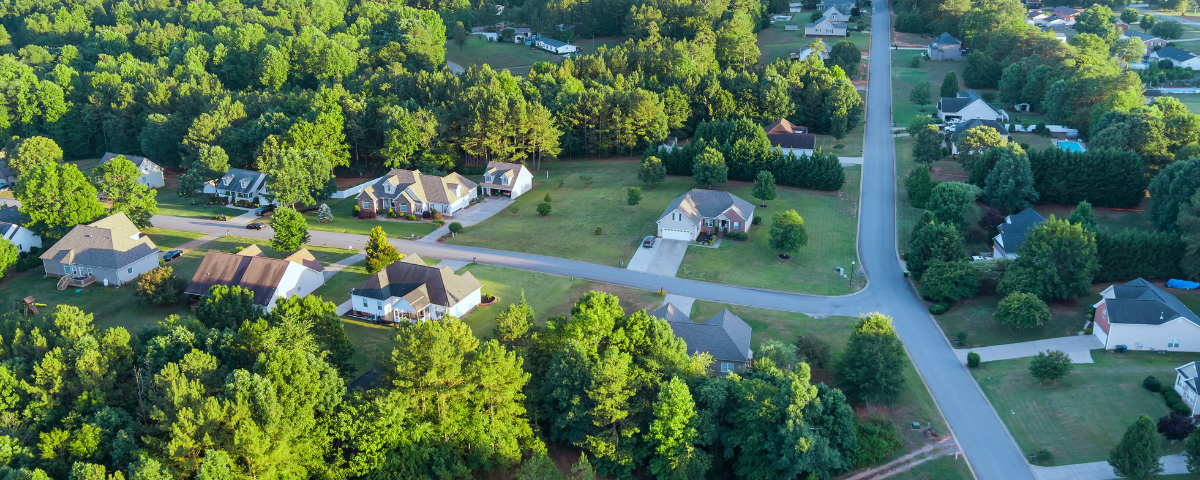
New construction continues to be one of the most important factors shaping Austin’s housing market. Texas leads the nation in new building activity, accounting for more than a quarter of all U.S. single-family permits, and Austin consistently ranks among the top metros for new-home starts.
This level of construction has helped offset some affordability pressures, especially as resale inventory has remained constrained in certain price tiers.
Recent Data Highlights
- New-home starts surged from 12,000 in 2014 to over 26,000 in 2021. The pandemic housing boom drove record demand, prompting builders to ramp up activity across the metro.
- By 2025, new-home starts have settled near 15,500. This level is closer to Austin’s long-term average of 14,000 to 15,000 annually, showing that the market has normalized after a period of unsustainable highs.
- Roughly 150,000 new homes have been added to the metro since 2017. This construction surge has dramatically expanded housing choices, particularly in suburban counties like Williamson and Hays.
- Builders currently hold about 35,000 finished lots, or roughly 28 months of supply. This backlog gives them flexibility to release inventory at a steady pace while managing risk in a cooling market.
- Incentives remain aggressive, with rate buydowns and commissions as high as 5%. Builders are working to attract buyers who may be hesitant due to higher mortgage rates. These concessions can significantly improve affordability compared to resale options.
Builders are approaching new land acquisition more cautiously, but their active role ensures that Austin will continue to offer a broad mix of housing options. For buyers, this means greater leverage when considering new construction, along with the chance to secure incentives that can make ownership more attainable.
Leasing and Rental Market Trends
Even as the for-sale housing market adjusts, Austin’s rental sector remains highly active. Multifamily development has delivered thousands of new units in recent years, which has helped stabilize occupancy and prevent rents from climbing at the pace seen during the pandemic.
With occupancy holding around 86%, renters today benefit from more choices and more competitive pricing compared to the high-pressure environment of 2021 and 2022.
Leasing activity over the past five years shows:
- June lease volume rose from 2,307 in 2020 to more than 2,900 in 2025.
- Average rent climbed from $1,875 to $2,275, but remains below peak affordability pressure.
- Price per square foot increased from $1.31 to $1.51, reflecting incremental gains tied to new construction quality and ongoing demand.
In addition to multifamily supply, many homeowners who feel locked into low mortgage rates have chosen to rent their properties instead of selling, creating a wave of “accidental landlords.”
Others are turning to creative approaches like house hacking, using part of their home as a rental to offset mortgage costs while building equity. This dynamic adds to rental supply, giving tenants more options in desirable neighborhoods.
With migration continuing within Texas and affordability still top of mind, leasing will remain an important pressure valve in the broader housing ecosystem.
For-Sale Market Snapshot
MLS data through mid-2025 paints a picture of a housing market that has slowed from its pandemic highs but remains active and resilient. Pricing has leveled off across much of the metro, and sales activity shows signs of stabilization, even if uneven between counties.
Homes are no longer moving overnight, and many clients are weighing the pros and cons of buying now or waiting to see how the market shifts further into 2025.
Current Market Conditions:
- According to the July 2025 Central Texas Housing Report from Unlock MLS, the median home price in the Austin metro held steady around $435,000, while active listings hovered near 15,000, well above pre-pandemic levels.
- In the City of Austin, the median sits closer to $600,000, though lower-priced areas are softening more.
- Pending sales in July were up 22% year-over-year, signaling renewed buyer interest.
- Closed sales were down slightly, with declines concentrated in Williamson and Hays counties.
- Active listings remain around 15,000, still above pre-pandemic levels but trending down.
Months of inventory hover near six in Austin, Bastrop, and Travis counties, marking buyer-friendly conditions.
The for-sale market is no longer defined by bidding wars or record-setting prices. Instead, it reflects a healthier rhythm, with volume aligning closer to long-term averages. For Austin specifically, this shift creates room for well-prepared buyers to access neighborhoods that once felt out of reach.
Economic Drivers and Regional Growth
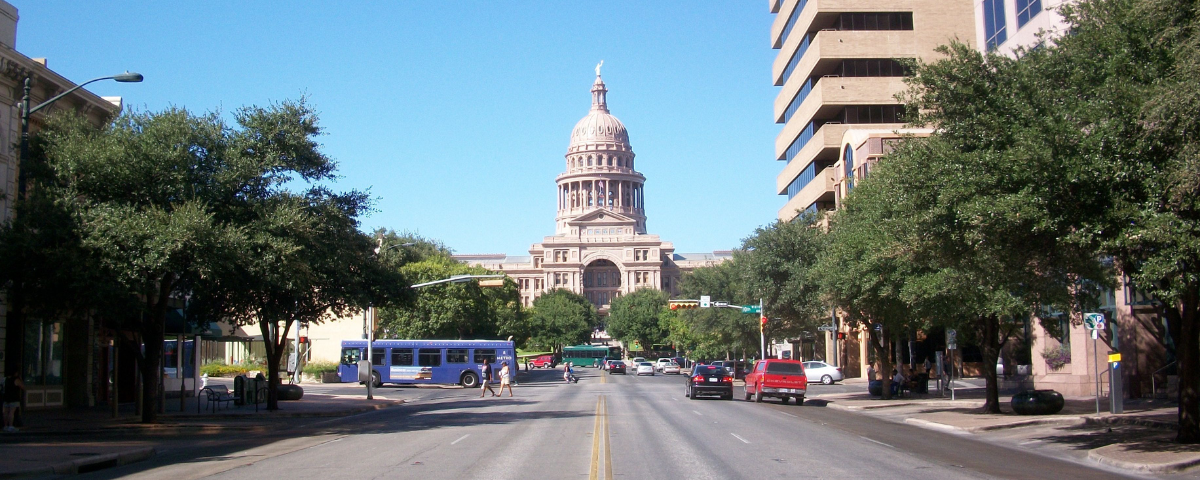
Central Texas continues to command national attention as one of the country’s fastest-growing regions. The combination of a strong job base, infrastructure investments, and demographic momentum ensures that the Austin metro is positioned for long-term resilience.
Growth along the I-35 corridor is particularly notable, as Austin and San Antonio increasingly operate as a connected regional powerhouse. This integration is reshaping both housing demand and economic opportunity across the entire corridor.
Major employers like Apple, Meta, Amazon, and Google are expanding their footprint in Austin, reinforcing its role as a hub for innovation and talent. The tech sector’s strength not only creates high-wage jobs but also fuels demand for housing and commercial space.
Adding to this momentum, Austin-Bergstrom International Airport continues to expand, and Samsung’s multi-billion-dollar semiconductor hub in Taylor has placed Central Texas at the forefront of advanced manufacturing.
Recent rankings highlight Austin as the #1 best U.S. city to start a business, and one of the top-performing large metros nationwide. These accolades reflect the reality for residents and the confidence of companies investing in the area.
Population projections show Williamson and Hays counties nearing one million residents each by 2030, with Bastrop and Caldwell counties emerging as growth centers. Buyers priced out of central Austin are already targeting affordable neighborhoods in these areas for long-term value and lifestyle balance.
Strategic Takeaways for Buyers, Sellers, and Agents
Austin’s housing market has moved into a new phase, where balance is replacing the frenzy of the past few years. This shift creates both challenges and opportunities, depending on how buyers, sellers, and agents approach it.
With inventory levels higher, mortgage rates still elevated, and buyer activity varying by price tier, success now depends on strategy and adaptability.
For buyers:
- Increased inventory provides leverage for negotiations.
- Builder incentives, such as rate buydowns, can make new construction attractive.
- Higher-priced segments remain active, especially in the west and southwest Austin.
For sellers:
- Homes will take longer to sell, so proper pricing and presentation are critical.
- Flexibility on concessions may be needed to secure deals.
- Preparation and marketing remain essential in a more competitive environment.
For agents:
- Use hyper-local data to educate clients on submarket trends.
- Highlight rental or new construction options for rate-sensitive buyers.
- Rely on partners like Independence Title to streamline transactions and provide consultative support.
The days of instant sales and multiple offers above asking are behind us, but this shift opens the door for a healthier, more sustainable market. Those who approach it with the right strategy, buyers, sellers, and agents alike, can find opportunity in Austin’s evolving landscape.
Austin Economic Forecast: Looking Ahead
The Austin Economic Forecast makes one thing clear: this market has entered a new era of balance. The rapid-fire sales and steep price jumps of the pandemic are behind us, replaced by steadier conditions that reward patience and strategy.
Buyers now have more negotiating power, sellers must approach pricing with discipline, and agents play a critical role in guiding clients through shifting dynamics.
Austin remains a hub of innovation and growth, supported by a resilient economy and continued population expansion. While affordability and inventory challenges persist, these very pressures create opportunities for those who adapt to the market’s new rhythm.
If you are planning to buy, sell, or invest in Austin real estate, now is the time to align with a professional who understands the local market inside and out.
Reach out to our team of local real estate experts at (512) 580-9338 or contact us here for personalized guidance. Our team can help you buy, sell, or invest in Austin with strategies designed to turn today’s conditions into tomorrow’s long-term advantages.
Frequently Asked Questions (FAQ)
Is Austin in a buyer’s or seller’s market in 2025?
Austin is currently in a buyer’s market. Inventory levels are higher, homes are taking longer to sell, and buyers have more leverage in negotiations compared to previous years.
What is the median home price in Austin right now?
As of mid-2025, the median home price in the Austin metro is around $440,000. Within the city limits, the median sits closer to $600,000, though prices vary widely by neighborhood and price tier.
Are mortgage rates expected to go down in 2025?
Rates remain above 6% but are projected to trend slightly lower by the end of the year. While this won’t bring rates back to pre-pandemic lows, it may provide modest relief for buyers.
How is new construction affecting Austin’s housing market?
Builders are keeping supply strong, with more than 15,000 new-home starts expected in 2025. Incentives like rate buydowns and higher agent commissions are making new construction attractive to buyers.
What’s happening in the Austin rental market?
Rental activity is strong, with occupancy around 86%. Multifamily construction and accidental landlords are providing more options, and average rents have climbed to about $2,275 per month.
Will Austin continue to grow long-term?
Yes. With major employers expanding, infrastructure improvements underway, and Williamson and Hays counties projected to reach one million residents each by 2030, Austin’s long-term housing demand remains resilient.
//{ "@context": "https://schema.org", "@type": "BlogPosting", "mainEntityOfPage": { "@type": "WebPage", "@id": "https://www.spyglassrealty.com/blog/austin-economic-forecast.html" }, "headline": "2025 Austin Economic Forecast and Central Texas Housing Market Update", "image": "https://www.spyglassrealty.com/uploads/Austin%20Economic%20Forecast.69.png", "author": { "@type": "Person", "name": "Ryan Rodenbeck", "url": "https://www.spyglassrealty.com/blog/author/ryan-rodenbeck/" }, "publisher": { "@type": "Organization", "name": "Spyglass Realty", "logo": { "@type": "ImageObject", "url": "https://www.spyglassrealty.com/uploads/logo_content_page.30.png" } }, "datePublished": "2022-03-07", "dateModified": "2025-09-10" }
Posted by Ryan Rodenbeck on September 10th, 2025
Ryan Rodenbeck
Spyglass Realty FounderRyan Rodenbeck started Spyglass Realty in 2008 to be a solo practitioner and a top-producing agent. By 2015 he had placed in the ABJ Top 50 Realtors and the Platinum Top 50 Realtors. He decided to grow the company and teach what he learned as a top-producing agent to his growing team of agents.
Ryan was originally from Louisiana and relocated to Austin in 2001. In 2008, he founded Spyglass Realty as a platform for himself and a few other agents to operate independently. In 2015, he began developing ideas for transforming his "team" into a full-fledged brokerage and implemented systems and procedures to expand the team.


Featured Blog Posts

Manhattan vs. Austin: 2025 Real Estate, Cost of Living, and Lifestyle Comparison
Posted by Ryan Rodenbeck Read More
Austin Home Values: The Truth Behind Zillow Estimates
Posted by Ryan Rodenbeck Read More

Take The First Step to Your
Real Estate Journey
Contact us
Sign In

Create Account
Get a Consultation