
 Back
Back
Key Takeaways
It's usually a smart investment - Homes in top Austin school districts sell for 78% more and 8 days faster than homes in lower-rated areas
- Location within the district matters - Being IN a good school zone is valuable, but being right next to the school campus can create daily headaches
- Expect to pay a premium upfront - Austin's top districts like Eanes ISD and Lake Travis ISD command significantly higher prices, but they hold value better during market downturns
- Traffic and noise are real concerns - Morning drop-offs and afternoon pickups create predictable congestion, especially near elementary schools
- Even non-parents benefit - Strong school districts attract a broader pool of buyers when you're ready to sell, making these homes easier to resell
Yes, buying a house near a school in Austin is usually a smart investment. But location within the district? That's where most people mess up.
We've helped dozens of families buy homes in Austin's school districts, and here's what we know: proximity matters way more than buyers expect. Homes in top districts like Eanes ISD and Westlake sell for 78% more than comparable houses in lower-rated zones. The problem comes when you're right next to the actual school building.
You want to be zoned for great schools. That part's obvious. What's not obvious is dealing with carpool lines that snake through your neighborhood twice a day. We've had clients who bought their dream house only to realize their street becomes a parking lot every afternoon at 3 PM.
Whether you have kids or you're thinking about resale value down the road, Austin's school district boundaries will affect your investment. Let's break down what you actually need to know.
TABLE OF CONTENTSWill Living Near a Good School Increase My Home's Value?

Short answer: absolutely. But the size of that value boost might surprise you. We're not talking about a modest 10-15% premium here. The data shows that proximity to highly-rated schools can nearly double your home's value compared to similar properties in weaker districts. Let's break down exactly what this means for your investment.
How Much More Do Homes Cost in Top School Districts?
The numbers are striking. Homes near top-rated schools cost nearly 80 percent more than comparable properties in lower-rated districts. In Austin specifically, this premium is even more pronounced in districts like Eanes ISD, Lake Travis ISD, and parts of Austin ISD.
When you look at Austin's best school districts, the price differences become clear. A 2,000 square foot home in Westlake might sell for $800,000, while the same house in a lower-rated district could go for $450,000. That's not just a premium - that's a completely different market tier.
Why Do Families Pay Premium Prices for School Zones?
Parents prioritize education quality above almost everything else when house hunting. Recent studies show school quality significantly impacts parents' homebuying choices, with many families willing to stretch their budgets or sacrifice other home features to secure enrollment in top-performing schools.
It's not just about test scores. Families know that good schools typically indicate stable neighborhoods, involved communities, and higher property maintenance standards. These factors create a compounding effect on property values.
Do School District Homes Sell Faster?
Yes, significantly faster. Properties in coveted school districts sell about 8 days quicker than those in lower-ranked areas. This speed advantage comes from the built-in demand - there's always a steady stream of families looking to move into these districts.
The buyer pool is also more motivated. Parents often have specific timing needs tied to school enrollment deadlines, creating urgency that benefits sellers.
What Happens to Values During Market Downturns?
School district homes show remarkable resilience during market corrections. While all real estate can be affected by broader economic trends, properties near good schools historically maintain value better than the general market.
This stability comes from consistent demand. Even during tough economic times, families with school-age children need housing in good districts, providing a floor for property values that other areas might not have.
What Are the Downsides of Living Right Next to a School?
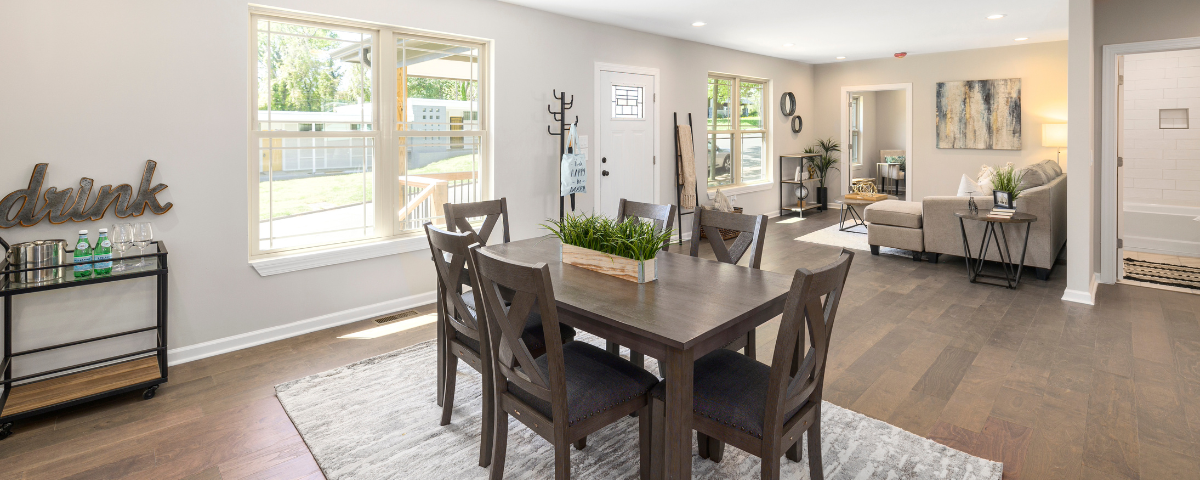
Living in a great school district is one thing. Living right next door to the actual school building? That's where the dream can turn into a daily headache. We've had clients who thought they hit the jackpot with a house across the street from their kids' elementary school, only to discover that convenience comes with some serious trade-offs.
How Bad Is the Daily Traffic During School Hours?
It's worse than most people expect. Morning drop-off typically runs from 7:30-8:30 AM, and afternoon pickup creates chaos from 2:30-3:30 PM. We're talking about long lines of idling cars, parents double-parking, and school buses trying to navigate through the mess.
The problem isn't just the volume - it's the unpredictability. Some parents arrive 20 minutes early and camp out. Others show up late and block driveways while they figure out where to go. If you work from home or have flexible hours, you'll quickly learn to avoid leaving your house during these windows.
What Noise Should I Expect Throughout the Day?
School bells, PA announcements, playground screaming, and marching band practice. Elementary schools tend to be noisier during the day with recess activities. High schools bring evening events like football games and graduation ceremonies that can run until 10 PM.
The noise follows the school calendar too. Summer break is blissfully quiet, but once August hits, your peaceful mornings are over. Weekend events and evening activities are part of the package if you're right next to the campus.
Will I Have Parking Problems on My Street?
Almost certainly. School staff often park on surrounding streets, especially if the school's parking lot is limited. During events like parent-teacher conferences, school plays, or sports games, finding a spot near your own house becomes a challenge.
Some neighborhoods implement resident parking permits to address this issue, but it's an ongoing battle. The closer you are to the main entrance, the worse the parking situation becomes.
Do Students Cut Through Private Property?
Yes, and it's one of those issues nobody warns you about. Students taking shortcuts through yards, leaving trash, and sometimes being disrespectful to property boundaries. High schoolers are generally worse than elementary kids for this problem.
While most students are respectful, it only takes a few to create ongoing frustration. Fencing helps, but it shouldn't be a requirement just to maintain your property boundaries.
How Much More Do Homes Cost in Top Austin School Districts?
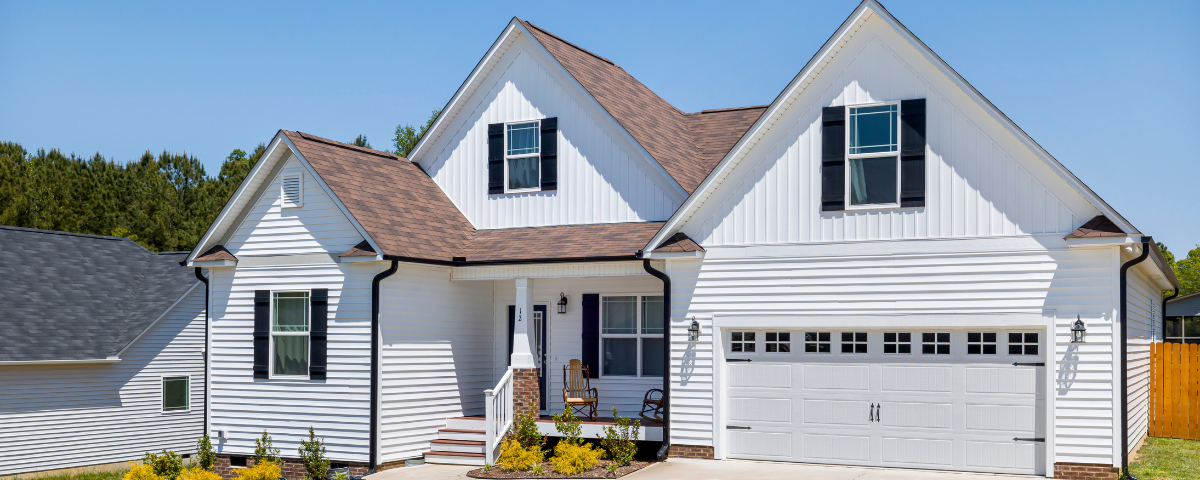
Austin's school district premiums aren't just significant, they're getting more extreme each year. Homes near schools rated 9 or 10 on GreatSchools cost 78% more than comparable properties in lower-rated districts. As the city grows and demographic shifts continue to impact property value trends, families are willing to pay these unprecedented premiums to secure spots in top-performing districts.
Which Austin School Districts Cost the Most?
Eanes ISD consistently commands the highest premiums in the Austin area, with Lake Travis ISD and parts of Austin ISD (particularly the Westlake area) following closely behind. Round Rock ISD offers more affordability while still maintaining strong ratings.
The 78% premium becomes very real when you're house hunting. Properties in areas like West Lake Hills and Rollingwood occupy a completely different price tier than homes in average-rated districts. Similarly, West Austin homes and Lake Travis properties often start where luxury homes in other areas top out.
How Much Does a GreatSchools Rating Affect Price?
Each point on the GreatSchools rating scale translates to measurable value differences. The jump from a 7-rated school to a 9-rated school can represent the difference between a moderate stretch and a major budget adjustment for most families.
This isn't just about paying more, it's about competing in entirely different market segments. Higher-rated districts attract more qualified buyers, create bidding wars, and maintain waiting lists of families hoping to get in.
What Happens at District Boundary Lines?
District boundaries create some of Austin's starkest property value divides. Houses on the "right" side of an Eanes ISD or Lake Travis ISD boundary line command premium pricing, while similar properties just outside these districts sell at standard market rates.
These boundary effects are most pronounced in areas where high-performing and average-performing districts meet. The invisible lines literally determine which market tier a property competes in.
Are Austin School District Premiums Getting Bigger?
Yes, and Austin's continued growth is accelerating the trend. More families moving to the area means increased competition for limited inventory in top districts. Properties in strong school zones have historically weathered market downturns better while appreciating faster during growth periods.
This creates a compounding effect. As these premiums grow, they become self-reinforcing. The investment argument for buying in top districts gets stronger each year
How to Research Austin School Districts Before You Buy
Don't let the excitement of house hunting make you skip the school research step. We've seen too many families fall in love with a house only to discover it's zoned for a school that doesn't meet their needs. Here's how to do your homework before you make an offer.
Start with GreatSchools and State Rating Systems
Begin your research at GreatSchools.org, which provides ratings, test scores, and parent reviews for every Austin-area school. Look beyond just the overall rating - check specific metrics like academic progress, equity, and college readiness if those matter to your family.
Texas also provides school report cards through the TEA (Texas Education Agency) website. These give you state accountability ratings and more detailed performance data than you'll find elsewhere.
Understand District Boundary Maps
School district boundaries can be tricky, and real estate listings aren't always accurate about which schools a property feeds into. Use the official district websites to verify boundaries - Austin ISD, Eanes ISD, Lake Travis ISD, and Round Rock ISD all have interactive boundary maps.
Double-check everything. We've had clients discover their "dream home" was actually zoned for a different school than advertised, sometimes in a completely different district.
Research Specific Schools You're Targeting
Once you know which districts interest you, dive deeper into individual schools. Our guide to Austin's best public and private schools can help you identify top performers and understand what makes each school unique.
Visit school websites, check recent test scores, and read parent reviews. If you're considering both public and private options, factor private school costs into your overall housing budget.
Plan Your Timeline and Moving Process
School enrollment deadlines matter, especially for popular districts with waiting lists. Most Austin-area districts require proof of residency by specific dates, typically in late spring or early summer for fall enrollment.
If you're relocating to Austin, our comprehensive moving checklist covers school enrollment alongside all your other relocation tasks. Getting this timing right prevents scrambling to find school options after you've already moved.
Consider the Broader Austin Living Experience
School quality is important, but it's just one piece of your overall quality of life. Research neighborhoods, commute times, and lifestyle factors that matter to your family. Our guide on whether Austin is a good place to live covers the broader picture beyond just schools.
Balance school priorities with other family needs like commute distance, neighborhood amenities, and housing costs. The "perfect" school district won't feel perfect if everything else about your daily life becomes more difficult.
Verify Information Before Making Offers
Always confirm school assignments with the actual school districts, not just your real estate agent or online listings. Districts occasionally redraw boundaries, and new developments might not have established school assignments yet.
Call the enrollment offices directly if you have questions. It's better to spend 30 minutes on the phone now than discover enrollment issues after you've already purchased.
Will It Be a Smart Move or a Noise Risk for You?
Buying a house near a school in Austin can absolutely be a brilliant investment, but success depends on doing your homework and knowing what you're getting into. The data is clear - homes in top Austin school districts like Eanes ISD and Lake Travis ISD command premium prices and sell faster, often providing strong protection during market downturns.
The key is finding your sweet spot. You want to be close enough to benefit from excellent school ratings and strong resale values, but far enough from campus to avoid daily traffic jams and weekend marching band practice. Every family's tolerance for noise and congestion is different, so visit potential neighborhoods during school hours, not just on quiet Sunday afternoons.
For most families, the investment advantages outweigh the temporary inconveniences. Austin's continued growth means demand for homes in proven school districts will likely keep increasing, making these properties some of the most resilient investments in the city's real estate market.
The research phase is crucial. Use the tools and strategies we've outlined to verify school boundaries, understand enrollment timelines, and evaluate both the educational and investment potential of any property you're considering. Don't rely solely on listing descriptions or assumptions about district lines.
Ready to Find Your Perfect Austin Home?
Buying in Austin's school district market isn't something you want to figure out on your own. Between shifting boundary lines, enrollment deadlines, and this city's crazy competitive market, having someone who knows these districts inside and out makes all the difference.
We've helped dozens of families navigate exactly this decision. Finding that balance between great schools and livable neighborhoods, avoiding traffic nightmares, and discovering the sweet spot between investment value and daily life.
Ready to start your search? Let's talk about what you're looking for and how we can help you find the right home in the right Austin school district.
Frequently Asked Questions About Buying Homes Near Austin Schools
How much more expensive are homes in good Austin school districts?
Homes near schools rated 9 or 10 on GreatSchools cost 78% more than comparable properties in lower-rated districts. In Austin's top districts like Eanes ISD and Lake Travis ISD, this premium can mean the difference between moderate and luxury price tiers for similar homes.
Should I buy a house right next to the school building?
Generally no. While being in a good school district is valuable, living right next to the campus brings daily traffic congestion, parking issues, and noise from school activities. The sweet spot is being zoned for excellent schools but far enough away to avoid these daily disruptions.
Do homes in Austin school districts sell faster?
Yes, properties in top-rated school districts sell about 8 days faster than homes in lower-rated areas. The built-in demand from families seeking good schools creates more competition and urgency among buyers, especially those with school enrollment deadlines.
How do I verify which school district a house is actually in?
Don't rely on real estate listings alone. Use official district boundary maps from Austin ISD, Eanes ISD, Lake Travis ISD, or Round Rock ISD websites. Always call the district's enrollment office directly to confirm school assignments, as boundaries can change and new developments might not have established assignments.
What's the best time to buy if I need to enroll my kids in Austin schools?
Plan to close on your home by late spring or early summer. Most Austin-area districts require proof of residency by specific deadlines (typically May-July) for fall enrollment. Popular districts may have waiting lists, so earlier is better for securing spots in your preferred schools.
// Posted by Ryan Rodenbeck on July 17th, 2025
Ryan Rodenbeck
Spyglass Realty FounderRyan Rodenbeck started Spyglass Realty in 2008 to be a solo practitioner and a top-producing agent. By 2015 he had placed in the ABJ Top 50 Realtors and the Platinum Top 50 Realtors. He decided to grow the company and teach what he learned as a top-producing agent to his growing team of agents.
Ryan was originally from Louisiana and relocated to Austin in 2001. In 2008, he founded Spyglass Realty as a platform for himself and a few other agents to operate independently. In 2015, he began developing ideas for transforming his "team" into a full-fledged brokerage and implemented systems and procedures to expand the team.


Featured Blog Posts

Manhattan vs. Austin: 2025 Real Estate, Cost of Living, and Lifestyle Comparison
Posted by Ryan Rodenbeck Read More
Austin Home Values: The Truth Behind Zillow Estimates
Posted by Ryan Rodenbeck Read More

Take The First Step to Your
Real Estate Journey
Contact us
Sign In

Create Account
Get a Consultation