
 Back
Back
The school day might start at the kitchen table instead of a classroom, and that's becoming a reality for many families. Across the nation, homeschooling is on the rise. An estimated 3.7 million children are now educated at home in the U.S.
Hundreds of thousands of students in Texas are learning outside of traditional schools. As more parents explore homeschooling options in Texas, it's important to understand how to do it legally and successfully. This comprehensive guide covers everything from state requirements and curriculum choices to finding support in Austin and preparing your teen for college, all in a reader-friendly format to help you get started with confidence.
TABLE OF CONTENTSLegal Requirements and State Regulations
Understanding the legal landscape is the first step for Texas parents considering homeschooling. Fortunately, Texas is known as one of the most homeschool-friendly states in the country. Homeschools in Texas are legally classified as private schools, which means they enjoy broad freedom from state oversight. That said, there are a few important requirements families must follow to ensure their homeschool is compliant with Texas law.
In 1994, the Texas Supreme Court (Leeper v. Arlington ISD) established that parents have the right to homeschool, exempting homeschoolers from compulsory attendance just like private school students. The Texas Education Code now outlines the minimal standards for homeschooling, focusing on the quality and content of instruction.
Unlike some states, Texas does not require homeschool families to register with state or local authorities, submit to testing, or follow a set schedule. Once you withdraw your child from public school (if they were previously enrolled), you can begin homeschooling without seeking permission from the school district. This hands-off approach empowers parents but also means it's up to you to ensure you're meeting the basic legal criteria.
Texas Homeschool Law Basics
Homeschools are legally considered private schools in Texas, giving parents freedom from state regulation. There is no requirement to notify the state or district when you start homeschooling (unless you're withdrawing a currently enrolled student).
Required Subjects
State law (via the Leeper decision) requires your curriculum to be bona fide (in good faith) and in a visual format (textbooks, workbooks, videos, etc.), covering five core subjects: reading, spelling, grammar, mathematics, and good citizenship. These subjects form the foundation of your child's education, but you’re free to teach additional topics (science, history, arts) as you see fit.
No Mandatory Testing or Schedule
Texas does not impose standardized tests on homeschoolers, nor does it dictate attendance days or hours. You can set a schedule that works for your family’s routine and adjust the pace to your child’s needs without worrying about state benchmarks.
Local District Autonomy
Local school districts (including Austin ISD and others) cannot impose extra requirements on homeschoolers. They may ask for a letter of assurance if they learn a child is being homeschooled (to confirm the child isn't truant), but once notified, they have no authority to approve curricula or monitor your teaching
This regulatory freedom is a big reason why Austin, TX, and the state as a whole have thriving homeschool communities. By adhering to the simple guidelines above, you ensure your homeschool is operating within the law. Knowing you have the law on your side will give you peace of mind to focus on teaching rather than paperwork.
Selecting the Right Curriculum

Choosing a curriculum is one of the most exciting and overwhelming parts of starting to homeschool. With so many homeschooling options in Texas and online, how do you decide which program or approach is best for your child?
The good news is that, because Texas doesn’t mandate a specific curriculum, you have the freedom to select materials that match your child’s learning style, your educational philosophy, and your family’s schedule. From traditional textbooks to interactive online programs, the possibilities are endless.
Begin by considering your child’s learning style and your teaching style. Do you envision a structured school-at-home experience with set hours, desks, and a scripted curriculum? Or do you prefer a more relaxed, student-led approach?
The homeschool curriculum market has grown tremendously, and several well-known programs can make your planning easier. For instance, some families opt for all-in-one online curricula like Time4Learning, which offers interactive PreK-12 lessons in core subjects and automatically tracks progress. Others prefer traditional publishers (such as Abeka or Saxon Math) for a textbook approach.
There are also accredited programs that issue transcripts and diplomas. Texas Tech University’s TTU K-12 is a popular option providing a full Texas high school curriculum online, and the University of Texas at Austin has a similar UT High School program for remote learners. If you want a more hands-on, creative curriculum, providers like Oak Meadow offer print-based materials that can be tailored to your child's interests.
On the other hand, the Well-Trained Mind is a guide that helps you design a rigorous classical education year-by-year. Don’t forget, you can also find free or low-cost resources at Texas libraries, museums, and even through Austin’s many tech startups offering educational apps.
Cover the Core Subjects: Ensure any curriculum or mix of resources you choose thoroughly covers reading, spelling, grammar, math, and good citizenship (civics). Texas requires these five basics, but you can (and should) include other subjects like science, history, and art to provide a well-rounded education.
Decide on Structure vs. Flexibility: Some families prefer a packaged curriculum with daily lesson plans (providing structure and ease of use), whereas others compile their own curriculum for greater flexibility. Be realistic about how much planning you can do. It’s okay to use a structured program for one subject and a creative, child-led approach for another.
Leverage Reputable Programs: Take advantage of well-established homeschool programs. Online curricula like Time4Learning or K12 (through TTU or other providers) offer comprehensive coverage and record-keeping, which can be especially helpful for new homeschooling parents. These can ensure you meet state graduation standards if your child is high school aged (typically around 22–26 credits of coursework).
There’s no one-size-fits-all answer when it comes to curriculum. It may take some trial and error to find what resonates with your child, and that’s perfectly normal. Flexibility is your friend. If something isn’t clicking, you have the freedom to change it.
Support Networks and Communities for Homeschoolers in Austin
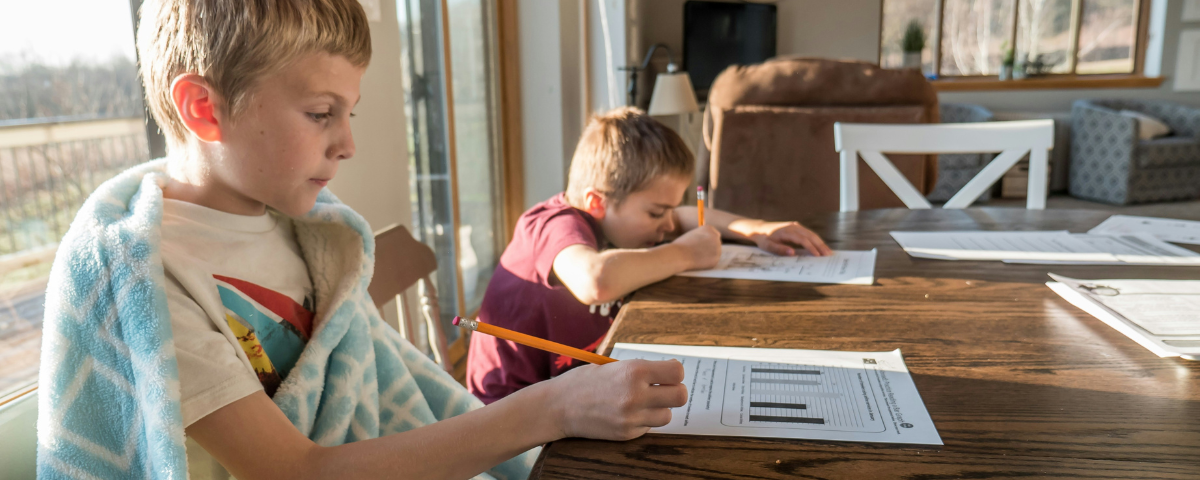
Homeschooling in Austin doesn’t mean going it alone. One of the city’s biggest strengths is its vibrant and welcoming homeschool community.
Find Your People
Austin is home to numerous homeschool groups and co-ops, from inclusive, secular networks to faith-based communities. Groups like Austin Area Homeschoolers organize park days, field trips, and clubs across the city.
Statewide organizations like the Texas Home School Coalition (THSC) and Texas Home Educators offer legal guidance, resource directories, and events like “Capitol Days” and annual conventions. These are great places to start if you’re new to Texas homeschooling laws or looking for local connections.
Join a Co-op or Class
Co-ops in Austin offer group learning, everything from science labs to art workshops. Some are parent-led; others bring in instructors. Popular models include Classical Conversations for Christian classical education and Charlotte Mason-style groups for literature-based learning.
Stay Connected Online
Facebook groups like Austin Homeschool Moms make it easy to ask questions, buy or sell curriculum, and learn about events. These online spaces are especially helpful when you’re just getting started.
Explore the City Together
Homeschoolers take full advantage of Austin’s educational resources. Join meetups for:
Nature hikes at the Barton Creek Greenbelt
Science days at The Thinkery
Homeschool programs at Bullock Texas State History Museum, Austin Nature & Science Center, or ZACH Theatre
You’ll find group discounts, special homeschool days, and a full calendar of enriching activities.
Beyond Academics
Many homeschoolers join extracurriculars like sports leagues, 4-H, Scouts, or music programs through the Dougherty Arts Center. These outlets give kids social time and help them build skills outside of academics.
Homeschooling doesn’t mean doing everything on your own. In Texas, and especially around Austin, you’ll discover a tribe of supportive families ready to share this journey with you. Learning together and leaning on each other, homeschoolers in Austin have created a thriving subculture that makes the adventure rewarding for children and parents alike.
Transitioning from Public/Private School to Homeschool

Switching your child from a public or private school to homeschooling can feel daunting, but with proper planning it can be a smooth transition. Many Austin families have successfully made this switch, whether due to a move, a desire for a different learning environment, or other personal reasons. The key is to handle the withdrawal process correctly and give your child (and yourself) time to adjust to the new routine. Officially withdrawing your child from school is a crucial first step.
In Texas, you are not required to get the school’s permission to homeschool, but if your child is currently enrolled in a public (or charter) school, you must formally withdraw them so they aren’t marked truant.
You may also want to send a copy to the district’s registrar, just to ensure all paperwork is in order. Alternatively, you can withdraw in person by visiting the school office and signing the necessary forms, some Austin-area schools have a simple withdrawal form. Either way, make sure you get confirmation that your child is withdrawn; this closes out their enrollment and stops any truancy questions.
Source: Requirements to Homeschool in Texas - FAQs for THSC
Submit a Withdrawal Letter
Always formally withdraw your child from their current school before starting homeschooling. For public schools in Texas, a written letter of withdrawal sent via certified mail (keep a copy for yourself) is the safest method. This prevents any confusion about truancy. If you hand-deliver a letter to an Austin ISD school, ask for a signed receipt or confirmation form.
Settle School Accounts
Ensure you’ve returned all school books, technology, or sports uniforms and paid any outstanding fees (library fines, cafeteria balance, etc.). Clearing these obligations when you withdraw will make the transition smoother and maintain a positive relationship should you ever interact with that school again.
Obtain Academic Records
Request copies of your student’s records. Things like the latest report card, transcript (for high schoolers), standardized test scores, and immunization records. In Texas, you’ll be creating your own homeschool records, but having the official documents from their previous school is helpful for your files. It also provides a baseline of where they were in each subject, which can guide your curriculum choices.
Plan the Transition Together
Involve your child in discussing how homeschooling will work. Set some basic routines or a schedule together. Giving them a sense of ownership (maybe they help set up the new learning space or choose an elective subject) can build excitement for this new chapter.
Give Time to Adjust
Don’t jump straight into a rigid full-day school schedule at home on Day 1. Allow some time for decompression. This might mean a few weeks of a lighter schedule or exploratory learning. Use this time to discover what interests your child and observe how they learn best. Gradually ramp up academics once you both feel more settled.
Transitioning from a conventional school to homeschool is a significant change, but it also opens up wonderful possibilities. Expect some trial and error as you figure out what routines work best outside the school system. You and your child might have days of missing friends or feeling uncertain – that’s okay. Keep communication open and be patient with each other.
Preparing for College as a Homeschooler in Austin
If your homeschooler is heading into high school, college admissions might feel overwhelming, but don’t worry. Texas is a homeschool-friendly state, and students regularly get accepted into top schools, including UT Austin, Texas A&M, and even the Ivy League.
Homeschool Diplomas Are Recognized
In Texas, a homeschool diploma is legally equal to a public school diploma. Your teen won’t need a GED, their parent-issued diploma and transcript are valid credentials. State universities must treat homeschoolers the same as any other applicant, using standardized criteria like test scores, essays, and extracurriculars.
Build a Strong Transcript
As the educator, you'll create your teen’s high school transcript. Use Texas’s recommended graduation plan as a guide:
4 years of English
3–4 years of Math
3–4 years of Science
3 years of Social Studies
2 years of Foreign Language
Electives
Aim for at least 22 credits (26 for college-bound students). If you're unsure about teaching certain subjects, use online courses or dual enrollment. Austin Community College offers great options for earning college credit while in high school.
Take Standardized Tests
SAT or ACT scores are still important, especially since homeschoolers don’t have a class rank. You can also consider AP exams or CLEP tests to demonstrate subject mastery, even if your student hasn’t taken the official AP course.
Extracurriculars Matter
Colleges want to see more than academics. Encourage your student to get involved in:
Volunteering (like the Central Texas Food Bank or Austin Public Library)
Arts and sports (Austin Youth Theater, local rec leagues)
Clubs or organizations (4-H, Scouts, debate leagues, Civil Air Patrol)
Jobs or internships
These experiences add depth to your child’s application and personal statement.
Be Organized and Plan Ahead
Keep good records: Track coursework, grades, and credits. Use a professional-looking transcript template.
Start early: Check college requirements by sophomore year. UT Austin, for example, has a dedicated page for homeschool applicants.
Collect recommendations: Build relationships with instructors, mentors, or dual-credit professors who can write strong letters.
Prepare documents: Colleges may ask for a detailed school profile, course descriptions, or samples of work.
Homeschoolers in Austin have the advantage of flexibility, real-world learning, and access to college resources like ACC, libraries, and local enrichment programs. With a solid academic record and a well-rounded profile, your student will be more than ready to take the next step.
Homeschooling & Home Life in Austin, TX
Homeschooling in Austin is more than just an educational choice. With Texas’s supportive laws and Austin’s rich community resources, families have the freedom to create an education that’s flexible, personalized, and rooted in real-life experiences.
Whether you're new to homeschooling or deep into your journey, remember: you're not alone. Austin has a thriving network of families carving out their own path, and the learning doesn't stop at academics, it’s about cultivating independence, curiosity, and lifelong confidence.
And if your family is thinking about making a move, whether you need more space for a learning nook, a backyard for hands-on science, or proximity to your favorite co-op, we’re here for you. At Spyglass Realty, we understand the unique needs of homeschooling families. Our agents know Austin inside and out, and we’re ready to help you find a home that fits your lifestyle, learning style, and long-term goals.
If you are considering other school types, check out our blog about the Best Public School Districts in Austin! Considering buying or selling a home in the Austin area? Speak to a real estate consultant!
For informational purposes only. Always consult with a professional or homeschool organization.
Last Updated: May 22, 2025
Posted by Ryan Rodenbeck on June 22nd, 2022
Ryan Rodenbeck
Spyglass Realty FounderRyan Rodenbeck started Spyglass Realty in 2008 to be a solo practitioner and a top-producing agent. By 2015 he had placed in the ABJ Top 50 Realtors and the Platinum Top 50 Realtors. He decided to grow the company and teach what he learned as a top-producing agent to his growing team of agents.
Ryan was originally from Louisiana and relocated to Austin in 2001. In 2008, he founded Spyglass Realty as a platform for himself and a few other agents to operate independently. In 2015, he began developing ideas for transforming his "team" into a full-fledged brokerage and implemented systems and procedures to expand the team.


Featured Blog Posts

Manhattan vs. Austin: 2025 Real Estate, Cost of Living, and Lifestyle Comparison
Posted by Ryan Rodenbeck Read More
Austin Home Values: The Truth Behind Zillow Estimates
Posted by Ryan Rodenbeck Read More

Take The First Step to Your
Real Estate Journey
Contact us
Sign In

Create Account
Get a Consultation